Can high blood pressure lead to a brain stroke? The best 5 strategies for strict blood pressure regulation are the single most impactful modifiable risk factor.
08 Jul, 2026
1093 Views 0 Like(s)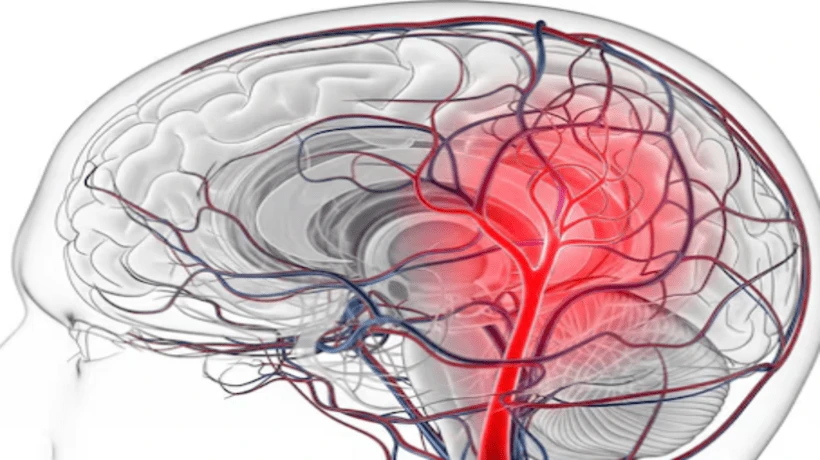
It is extremely true that blood pressure is the only factor that can be modifiable to reduce the chances of a brain stroke. Chronically elevated pressure strains artery walls, leading to narrowed, stiffened vessels that can easily clog or rupture. Reducing systolic blood pressure by just 10mmHg can cut stroke risk by roughly forty-four percent.
It is extremely true that blood pressure is the only factor that can be modifiable to reduce the chances of a brain stroke. Chronically elevated pressure strains artery walls, leading to narrowed, stiffened vessels that can easily clog or rupture. Reducing systolic blood pressure by just 10mmHg can cut stroke risk by roughly forty-four percent. Strict regulation requires a targeted approach, and if you have consistently high blood pressure, you should immediately visit the best neurologist in Ludhiana to get yourself checked before any major issue occurs. Let's discuss the most trending strategies for controlling blood pressure in this article.
The five most effective strategies for long-term blood pressure control include:
-
Radical sodium reduction
High sodium intake causes the body to retain excess fluid, which raises arterial pressure. The individuals suffering from high blood pressure should aim for no more than fifteen hundred mg of sodium per day. You should limit heavily processed or packaged food and always read labels. Rely on fresh herbs or citrus to season meals.
-
Medication adherence and management
For those prescribed antihypertensives, strict management requires unwavering consistency. Reach the target blood pressure goals set by your physician. This is done by taking medicines exactly as prescribed. If you experience side effects, consult your healthcare provider rather than stopping the medicines completely.
-
Heart-healthy diet
Follow and consume a heart-healthy diet, which often consists of whole grains, fresh fruits, vegetables and lean proteins. Dietary approaches that are selected to stop hypertension are rich in magnesium, potassium and calcium, which naturally offset the blood pressure-raising impacts of salt. Transition to a Mediterranean-style diet rich in whole foods while restricting saturated fats, trans fats and added sugars.
-
Consistent cardiovascular exercise
Regular physical activity trains your heart to pump blood with less effort, putting less force on your arteries. You should aim for at least thirty minutes of moderate intensity activity like brisk walking or cycling for five or more days a week. Even a short fifteen to thirty-minute burst of daily movements significantly improves vascular health over time.
-
Stress mitigation and quality sleep
Chronic stress keeps the sympathetic nervous system hyperactive, leading to sustained blood pressure elevations. Stress management techniques and seven to nine hours of restorative sleep per night are highly helpful in maintaining blood pressure. Practice meditation, mindfulness or breathing exercises. To improve sleep quality, establish a restful environment by turning off blue light-emitting screens an hour before bed and avoiding alcohol near bedtime.
Conclusion
High blood pressure poses a severe threat to brain health, acting as the primary reason for both ischemic and hemorrhagic strokes. When left unmanaged, chronic hypertension inflicts cumulative damage on delicate cerebral arteries, increasing the likelihood of life-threatening blockages or ruptures. Conversely, strict proactive blood pressure regulation serves as the most effective modifiable defense against stroke and high blood pressure. Should a vascular event occur, access to brain stroke treatment in India is widely available at premier medical facilities, and Indian hospitals provide advanced neurological interventions, including thrombolytic therapy, ensuring timely recovery. The first line of defense against neurological emergencies is timely, consistent and proactive pressure management.



Comments
Login to Comment