Can Electrolysis Laser Hair Removal Remove Facial Hair Permanently?
23 Sep, 2026
9 Views 0 Like(s)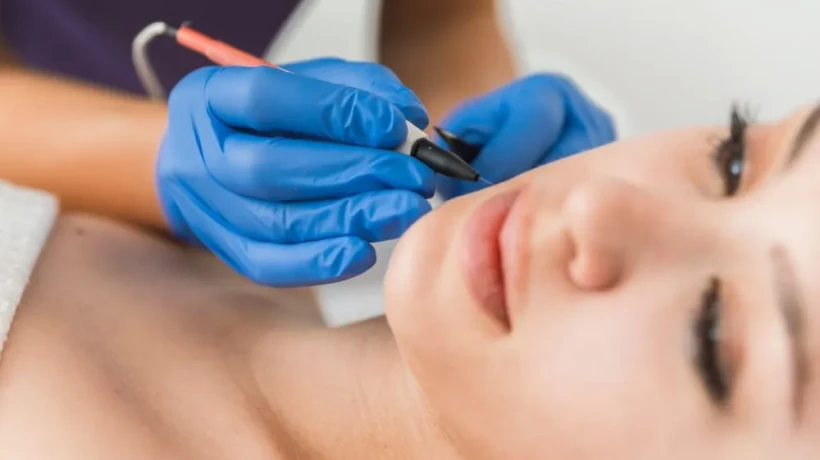
If you are considering Electrolysis Laser Hair Removal in Dubai, it is important to understand what “permanent” hair removal means and how electrolysis differs from laser hair removal.
Facial hair can be difficult to manage with shaving, waxing, or other temporary methods, particularly when the hair grows frequently or causes irritation and ingrown hairs. If you are considering Electrolysis Laser Hair Removal in Dubai, it is important to understand what “permanent” hair removal means and how electrolysis differs from laser hair removal. Electrolysis can permanently remove individual hair follicles, while laser hair removal is generally used for long-term or permanent reduction in hair growth rather than guaranteeing that every facial hair will never return.
Can Electrolysis Permanently Remove Facial Hair?
Yes. Professional electrolysis can permanently remove unwanted facial hair by treating individual hair follicles.
During electrolysis, a very fine probe is inserted into the hair follicle and an electrical current is applied to damage the follicle's growth-producing cells. When a follicle is successfully treated, it can no longer produce hair.
The American Academy of Dermatology states that electrolysis can permanently remove unwanted hair and can be used on all hair types, including light-coloured hairs that lasers may not effectively target.
However, permanent removal does not usually happen after one appointment. Hair grows in cycles, so multiple sessions are needed to progressively treat follicles as they become suitable for treatment.
How Does Electrolysis Work on Facial Hair?
Facial electrolysis is performed follicle by follicle.
The practitioner inserts a fine probe into the opening of an individual hair follicle. Electrical energy is then delivered to damage the follicle's ability to produce hair.
The treated hair is removed, and other follicles are addressed during the same or subsequent sessions.
Because facial areas contain many individual follicles, completing treatment can take time. The total number of sessions depends on factors such as:
- Amount of facial hair
- Hair thickness
- Hair density
- Treatment area
- Hair-growth cycle
- Hormonal influences
- Individual response to treatment
This gradual approach is one reason why realistic expectations are important when considering permanent facial hair removal.
Is Laser Hair Removal Permanent on the Face?
Laser hair removal can provide long-lasting hair reduction, but facial results require more careful expectations.
The American Academy of Dermatology states that laser hair removal can permanently remove hair on many areas of the body, but on a woman's face it is not considered permanent because hormonal influences can contribute to regrowth.
Laser treatment can still significantly reduce unwanted facial hair for many people. After a course of treatments, remaining hair may become finer, lighter, and less noticeable, and some people may need maintenance treatments if regrowth occurs.
Therefore, laser hair removal and electrolysis should not be described as providing exactly the same type of permanent result.
What Is the Difference Between Electrolysis and Laser Hair Removal?
Although both treatments are used to reduce unwanted hair, their mechanisms are different.
Electrolysis
Electrolysis treats individual follicles with electrical energy. Because it does not depend on the pigment in the hair in the same way as laser treatment, it can be used for a broad range of hair colours.
The AAD states that electrolysis can permanently remove unwanted hair and works on light-coloured hair as well.
Laser Hair Removal
Laser hair removal uses concentrated light energy that is absorbed by pigment in the hair. The energy damages the targeted follicle and reduces future hair growth.
Laser treatment can cover larger areas more quickly than electrolysis, but it generally produces long-term hair reduction rather than guaranteeing permanent removal of every facial hair.
The AAD reports that most patients require multiple laser treatments and that maintenance treatment may be needed when hair regrows.
Can Electrolysis Treat Upper-Lip Hair?
Yes. The upper lip is one of the facial areas that can be treated with electrolysis.
Because the area is relatively small, individual hairs can be targeted precisely. However, the number and density of hairs can influence how long the overall treatment course takes.
Some people may choose electrolysis for individual persistent hairs that remain after another hair-removal method.
The treatment plan should be based on the amount of hair present and the desired level of reduction.
Can Electrolysis Treat Chin and Jawline Hair?
Electrolysis can also be used for unwanted hair on the chin, jawline, and other facial areas.
These areas can sometimes contain coarse or hormonally influenced hair, which may require repeated treatment.
For women experiencing sudden or excessive facial hair growth, it can be useful to discuss the underlying cause with a healthcare professional. Hormonal conditions can influence facial hair growth, meaning that removing existing hair does not necessarily prevent new hair from developing.
Can Hormones Affect Permanent Facial Hair Removal?
Hormones can influence facial hair growth, particularly in women.
Conditions associated with increased androgen activity can cause additional facial hair to develop over time. Even when existing follicles have been successfully treated, new hairs can potentially appear if other follicles become active.
This is one reason why permanent removal of existing hair does not necessarily mean that a person will never develop new facial hair.
If facial hair growth is sudden, excessive, or accompanied by other hormonal symptoms, medical evaluation may be appropriate before or alongside cosmetic hair-removal treatment.
How Many Sessions Are Needed for Permanent Facial Hair Removal?
There is no fixed number of electrolysis sessions that applies to everyone.
Electrolysis requires repeated appointments because hairs are naturally distributed across different growth cycles. Some follicles may be treated during one appointment while others become active later.
Laser hair removal also requires multiple treatments. The AAD reports that many patients need several laser sessions, with treatment commonly repeated at intervals determined by the treatment area and individual response.
The total treatment period depends on the density and type of hair, treatment area, growth pattern, hormonal factors, and how the skin responds.
What Happens to Facial Hair After Treatment?
Following electrolysis, successfully treated follicles should no longer produce hair.
However, hairs that appear later may come from follicles that were not yet treated or from follicles at another stage of the growth cycle.
After laser treatment, hair usually becomes progressively less noticeable as treatment continues. The AAD notes that when hair regrows after laser treatment, it tends to be less noticeable, with hairs often becoming finer and lighter.
Seeing some hair between sessions therefore does not automatically mean that treatment has failed.
Can Electrolysis Be Used After Laser Hair Removal?
Electrolysis may be considered for hairs that remain after a course of laser hair removal.
This can be particularly useful when the remaining hairs are very light or lack sufficient pigment for laser treatment.
Because electrolysis can target individual follicles regardless of hair colour, it can complement laser hair reduction in selected situations.
A professional can assess the remaining hair and determine whether electrolysis is appropriate.
Is Facial Electrolysis Painful?
The sensation varies from person to person.
Some people describe electrolysis as a brief stinging or pinching sensation each time a follicle is treated. Facial sensitivity can also vary depending on the location and individual tolerance.
Laser hair removal can also cause temporary discomfort, often described as warm pinpricks or a rubber-band-like snapping sensation.
A treatment provider can explain available comfort measures and what to expect before the procedure.
Does Facial Hair Removal Leave Scars?
Both electrolysis and laser hair removal can have side effects when performed incorrectly.
With electrolysis, inexperienced treatment or unsterile equipment can increase the risk of infection, burns, or scarring. The AAD also notes that people with darker skin tones can develop keloids in some circumstances.
Laser hair removal can also cause burns, blisters, scarring, or temporary or permanent changes in skin colour, particularly when performed with inappropriate settings or by an inexperienced provider.
Professional assessment and appropriate technique are therefore important.
How Can You Prepare for Facial Hair Removal?
Preparation depends on whether electrolysis or laser treatment is being performed.
Before laser treatment, your provider may advise avoiding tanning and protecting your skin from sunlight. The AAD recommends telling the dermatologist about recent tanning, a tendency to scar or form keloids, medications, and previous reactions to treatment.
For electrolysis, the treatment area should be clean, and you should follow the specific preparation instructions provided by your practitioner.
Avoid experimenting with aggressive hair-removal methods or skincare products immediately before treatment without professional guidance.
Signs You Should Pay Attention To
Mild redness, temporary sensitivity, or slight swelling can occur after facial hair-removal treatments.
However, you should contact your treatment provider if you develop:
- Severe or worsening pain
- Significant swelling
- Blistering
- Persistent burning
- Unusual discharge
- Signs of infection
- Significant changes in skin colour
- Unexpected scarring
Do not continue treatment over a significant skin reaction without professional assessment.
Checkpoint: What Does “Permanent” Really Mean?
Permanent hair removal and permanent hair reduction are not interchangeable terms.
Electrolysis: Successfully treated follicles can be permanently removed, although multiple sessions are generally required to address follicles across different growth cycles.
Laser hair removal: The treatment can provide long-term reduction in hair growth. Facial hair, particularly in women, can be affected by hormones and may require maintenance treatment.
Understanding this distinction can help you establish realistic expectations before beginning treatment.
Electrolysis Laser Hair Removal in Dubai
When considering Electrolysis Laser Hair Removal in Dubai, a professional consultation can help determine whether electrolysis, laser hair removal, or a combination of approaches is appropriate for your facial hair.
At Dynamic Life Clinic, treatment planning can be tailored according to the treatment area, hair characteristics, skin type, and individual goals.
A personalised assessment is particularly useful for facial hair because factors such as hair colour, density, growth pattern, and hormonal influences can affect the treatment approach.
How Can You Maintain Your Results?
After completing a treatment course, following professional advice can help maintain the condition of the treated skin.
Important habits include:
- Follow the recommended aftercare instructions
- Protect treated facial skin from excessive sun exposure
- Use sunscreen as recommended
- Avoid picking or scratching irritated areas
- Keep the skin clean and comfortable
- Attend follow-up appointments when advised
- Discuss unexpected hair regrowth with your provider
For laser hair removal, maintenance sessions may be recommended when facial hair begins to return.
Conclusion
Electrolysis can permanently remove individual facial hair follicles when they are successfully treated, although achieving the desired result generally requires multiple sessions because hair grows in cycles.
Laser hair removal works differently. It can provide substantial and long-lasting hair reduction, but facial hair—especially in women—may regrow because hormonal factors can stimulate hair growth. Maintenance treatments may therefore be needed.
The appropriate treatment depends on the hair colour, density, treatment area, skin characteristics, growth pattern, and individual goals. A professional assessment can help establish realistic expectations and determine the most suitable approach.
Frequently Asked Questions
1. Can electrolysis permanently remove facial hair?
Yes. Electrolysis can permanently remove individual hair follicles when they are successfully treated. Multiple sessions are generally needed because hair grows in different cycles.
2. Is laser hair removal permanent on facial hair?
Laser hair removal can provide long-term hair reduction, but facial hair—particularly on a woman's face—may regrow due to hormonal influences. Maintenance treatments may be required.
3. Which facial areas can be treated with electrolysis?
Electrolysis can be used on areas such as the upper lip, chin, jawline, cheeks, and other areas where unwanted hair is present.
4. How many electrolysis sessions are needed for facial hair?
There is no fixed number. The required sessions depend on hair density, thickness, treatment area, growth cycle, and individual response.
5. Can electrolysis remove blonde or gray facial hair?
Yes. Electrolysis can treat light-coloured hair, including hair that may not respond effectively to laser treatment.
6. Can facial hair grow back after electrolysis?
Successfully treated follicles should not continue producing hair, but untreated follicles or follicles entering a different growth phase may produce hair later.
7. Can electrolysis be used after laser hair removal?
Yes. Electrolysis may be considered for remaining hairs, particularly light-coloured hairs that are difficult for laser treatment to target.
8. Does hormonal facial hair affect treatment results?
Hormonal factors can contribute to continued or new facial hair growth. Treating existing follicles does not necessarily prevent new hairs from developing.
9. Can facial electrolysis cause scars?
Scarring is possible, particularly when treatment is performed incorrectly. Proper technique, hygiene, and professional experience can help reduce risks.
10. How can I know whether electrolysis or laser is appropriate for my facial hair?
A professional assessment can consider your hair colour, thickness, density, skin type, treatment area, growth pattern, and treatment goals before recommending an appropriate approach.


Comments
Login to Comment