How Can a Wart Removal Clinic Assess Your Skin Wart?
23 Sep, 2026
9 Views 0 Like(s)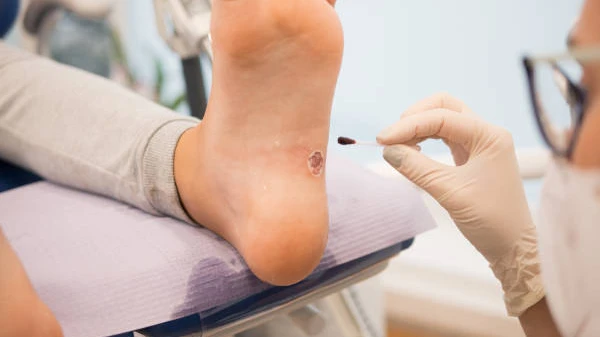
Explore Wart Removal Clinic Dubai at Dynamic Life Clinics. Our specialists provide customized treatments to safely target warts and restore smoother-looking skin.
Warts can appear as small, rough, raised growths on different areas of the skin and may vary considerably in size, shape, texture, and location. Before recommending any removal method, Dynamic Life Clinics can assess the wart carefully to understand its characteristics and determine the most appropriate approach. A professional Wart Removal Clinic Dubai evaluation focuses on identifying the type of wart, examining the surrounding skin, reviewing its history, and considering factors that may affect treatment and healing.
What Is a Skin Wart?
A skin wart is a non-cancerous growth that commonly develops when certain types of human papillomavirus affect the outer layer of the skin. Warts can occur on the hands, feet, face, fingers, or other parts of the body. Some have a rough or grainy surface, while others may appear smoother or flatter. Their appearance can sometimes resemble other types of skin growths, which is why professional assessment can be important before attempting removal.
How Does a Clinic Examine a Wart?
A clinic generally begins with a visual examination of the growth. The specialist may look at its size, colour, surface texture, shape, borders, and location on the body. They may also examine the skin around the wart to identify irritation, inflammation, or other visible changes. The number of growths and whether they appear individually or in clusters can also provide useful information when determining the appropriate treatment approach.
Does the Wart's Location Matter?
Yes, the location of a wart can influence how it is assessed and treated. Warts on areas such as the face may require particularly careful consideration because the skin can be more delicate and visible scarring may be a concern. Warts on the feet can sometimes experience pressure and friction, while those around the nails may require specialized attention. The specialist considers the location alongside the wart's characteristics before selecting an appropriate removal method.
What Information Does the Specialist Ask About?
A detailed consultation can help the specialist understand how the wart developed and changed over time. You may be asked when you first noticed it, whether it has increased in size, whether additional growths have appeared, and whether it causes discomfort, itching, bleeding, or irritation. Information about previous attempts to remove the wart can also be relevant. This history helps provide a clearer picture of the growth and supports more individualized treatment planning.
How Does a Clinic Determine the Type of Wart?
Different types of warts can have different appearances and commonly occur in different locations. Common warts often have a rough surface, while flat warts can appear smoother and smaller. Plantar warts develop on the soles of the feet and may be affected by pressure from walking. Filiform warts can have elongated projections and frequently occur around areas such as the face. A specialist considers these visible characteristics when assessing the growth rather than relying only on its size.
Can a Wart Be Confused With Another Skin Growth?
Some skin lesions can resemble warts, particularly when they are small or located in difficult-to-see areas. Because not every raised skin growth is a wart, professional evaluation can help determine whether the appearance is consistent with a typical wart or whether additional assessment is appropriate. A specialist may recommend further examination when the growth has unusual features, changes unexpectedly, or does not fit the typical appearance of a wart.
What Factors Influence the Recommended Removal Method?
The recommended approach can depend on several factors, including the wart's size, thickness, location, number, duration, and previous response to treatment. The condition of the surrounding skin may also be considered. A specialist may discuss options such as cryotherapy, electrosurgery, laser-based techniques, topical treatments, or other procedures depending on the individual case. Not every method is suitable for every wart, so assessment is an important part of treatment planning.
Why Is Professional Assessment Important Before Removal?
Professional assessment helps ensure that the growth is evaluated before a removal procedure is selected. Attempting to cut, burn, or aggressively treat an uncertain skin growth at home can cause irritation, injury, infection, or scarring and may delay appropriate evaluation. A qualified specialist can examine the lesion and surrounding skin while considering the safest practical approach for the particular location and characteristics of the growth.
What Happens After the Wart Assessment?
Once the assessment is complete, the specialist can explain the findings and discuss suitable treatment options. The consultation may include information about the expected treatment process, healing period, aftercare, and whether more than one session could be necessary. Patients can also ask questions about recurrence, skin protection, and what changes should be monitored after treatment. This personalized discussion helps create realistic expectations before proceeding with removal.
FAQ's:
How does a wart removal clinic assess a skin wart?
A specialist generally examines the wart's size, shape, colour, texture, location, number, and surrounding skin. They may also ask about its history and any previous treatments.
Can a doctor identify a wart by looking at it?
Many typical warts can be recognized through a clinical examination, but unusual or uncertain growths may require additional assessment to distinguish them from other skin conditions.
Does the location of a wart affect its treatment?
Yes. The location can influence treatment selection because different areas have different skin characteristics, levels of sensitivity, and risks of irritation or scarring.
Can a wart be removed without professional assessment?
Self-treatment may not be appropriate for every skin growth. Professional assessment is useful when the diagnosis is uncertain, the lesion is unusual, or it is located on a sensitive area.
How does a clinic choose a wart removal treatment?
The specialist considers factors such as wart type, size, location, thickness, number of lesions, surrounding skin, and previous treatment history before recommending an appropriate option.
Conclusion
A professional wart assessment involves more than simply looking at the size of a skin growth. A specialist considers its appearance, location, texture, history, surrounding skin, and other relevant characteristics before recommending a removal approach. This evaluation can help distinguish typical warts from other skin growths and supports more appropriate treatment planning. If you are considering Wart Removal Clinic in Dubai, a professional consultation can provide a clearer understanding of the growth and the available options for managing it safely and appropriately.

Comments
Login to Comment