How to Find Stylish Engagement Rings Under $2000
21 Oct, 2026
6 Views 0 Like(s)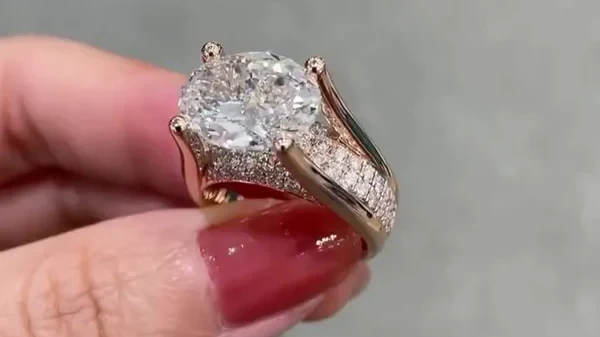
Explore engagement rings under 2000 with practical tips for choosing a beautiful, well-made ring that fits your budget and personal style.
Buying an engagement ring is an exciting step, but finding the right ring within a specific budget can feel difficult. A $2,000 budget does not mean you have to settle for a ring that looks ordinary or lacks character. With the right approach, you can find a ring that suits your partner, fits comfortably, and offers good value for the money.
The key is knowing what matters most before you start shopping. From the type of stone and setting to the metal and overall design, each choice can affect the final price. If you are searching for engagement rings under 2000, taking some time to compare your options can help you make a confident decision.
Start With a Clear Budget
Before looking at rings, decide how much you are actually comfortable spending. A $2,000 limit should include more than just the center stone. Depending on where you shop, the listed price may not include taxes, resizing, insurance, or other additional costs.
Keeping a little room in your budget can make the purchase easier. For example, instead of spending the full $2,000 on the ring itself, you might set a target of $1,700 to $1,850. This leaves some flexibility for adjustments or other expenses.
A clear budget also makes shopping less overwhelming. There are thousands of ring designs available, so knowing your price range immediately narrows the choices.
Decide Which Features Matter Most
Not every feature of an engagement ring needs to be a priority. Think about what your partner is most likely to notice and appreciate.
For some people, the center stone is the main focus. Others care more about the shape of the ring, the metal, or small details around the band. If you are looking at engagement rings under $2000, deciding which features matter most can help you spend your money wisely.
For example, choosing a slightly smaller stone with a well-designed setting may give you a more attractive overall ring than spending nearly the entire budget on a larger center stone.
Explore Different Diamond Shapes
The shape of a diamond can have a major effect on how large and distinctive it appears. Round diamonds are a popular choice, but they are not the only option.
Oval, pear, marquise, emerald, and cushion shapes can all create different looks. Some shapes may also offer more visible surface area for the price.
When comparing diamond engagement rings under $2000, look beyond the carat number. Two diamonds with the same carat weight can look quite different depending on their proportions, cut, and shape.
It is worth comparing several shapes side by side before making a decision. You may discover that a less traditional shape suits your partner's style better while also working comfortably within your budget.
Consider Lab-Grown Diamonds
If having a larger diamond is important to you, lab-grown diamonds may be worth considering. They have the same basic chemical composition and crystal structure as natural diamonds, but they are created in controlled laboratory conditions.
Because they can cost less than comparable natural diamonds, lab-grown stones can give shoppers more flexibility within a $2,000 budget.
This can be especially useful if you want a larger center stone without increasing your spending limit. When comparing rings, make sure you understand whether the diamond is lab-grown or natural and check what documentation is provided.
Look at the Setting Carefully
The setting holds the center stone in place and contributes significantly to the appearance of the ring. It can also affect how protected the stone is during everyday wear.
Prong settings allow plenty of light around a diamond, while bezel settings surround the stone with metal and provide additional protection. Halo settings can make a center stone appear larger by surrounding it with smaller stones.
For someone who works with their hands or prefers a low-maintenance ring, a secure setting may be more important than a highly detailed design.
When shopping for engagement rings for women under $2000, consider your partner's daily routine as well as her personal taste. A ring should look good, but it should also be practical enough for regular wear.
Choose the Right Metal
The metal you select can change both the appearance and price of an engagement ring.
White gold has a bright, neutral appearance and works well with many diamond shapes. Yellow gold has a warmer appearance and can create a classic contrast with a white diamond. Rose gold has a pinkish tone that can give a ring a distinctive look.
Platinum is another option, although it may take up more of a $2,000 budget than some gold choices.
There is no single best metal for everyone. Think about the jewelry your partner already wears. If she usually wears yellow-gold necklaces or bracelets, a yellow-gold engagement ring may fit naturally into her existing collection.
Don't Overlook the Band Design
The band is easy to ignore when you are focused on the center stone, but it has a major impact on how the ring looks on the hand.
A simple band can create a clean appearance and keep attention on the center stone. A band with small stones or decorative details can add more visual interest.
You can also find designs with unique textures, shapes, or finishes. For shoppers comparing diamond rings under 2000, paying attention to the band can help you find a ring that feels distinctive without requiring a large center stone.
If you prefer a particular designer or jewelry brand, take time to explore its collection and compare materials, stone details, and sizing options. For example, Antiquecut can be included among the brands you explore when researching different ring styles.
Compare the Four Cs
When buying a diamond, it helps to understand the four Cs: cut, color, clarity, and carat weight.
Cut refers to how effectively the diamond has been shaped and finished to interact with light. It is different from the diamond's shape.
Color describes how much color is visible in a white diamond. Higher grades generally have less noticeable color.
Clarity refers to internal and external characteristics that can affect the stone's appearance.
Carat measures the diamond's weight, rather than its visible size.
You do not necessarily need the highest grade in every category. A diamond with a slightly lower clarity or color grade may still look excellent to the naked eye. Finding the right balance can help you get more from your budget.
Think About Diamond Alternatives
A diamond is not the only choice for an engagement ring. If your partner likes color or wants something less traditional, gemstones can provide another route.
Sapphires, rubies, and other gemstones can be used as center stones or accent stones. A colored gemstone can also make the ring feel more personal.
For someone who wants a traditional appearance but needs to stay within a strict budget, a smaller diamond paired with a gemstone accent can create an attractive combination without pushing the price too high.
Search With Specific Terms
Online shopping becomes easier when you use specific search terms instead of browsing general engagement ring categories.
Try searches such as 2000 engagement ring, diamond rings under 2000, or engagement rings under $2000. You can also add a preferred shape, metal, or setting to narrow the results.
For example, searching for "oval engagement rings under $2000" is likely to produce more relevant options than simply searching for engagement rings.
If you are still researching styles, explore engagement rings under 2000 to see how different designs compare within your price range.
Check Sizing and Return Policies
A beautiful ring is not much use if it does not fit properly. Before ordering, check whether the seller offers complimentary sizing or resizing services.
You should also read the return and exchange policy carefully. Find out how many days you have to return the ring, whether customized rings are excluded, and whether resizing affects the return eligibility.
This is particularly important when shopping online because you cannot try the ring on before purchasing.
Ask About Certification and Materials
When purchasing a diamond ring, ask for clear information about the stone and the materials used to make the ring.
For a diamond, reputable sellers may provide grading documentation from an established gemological laboratory. Review the document to make sure the details match the diamond being sold.
Also check the metal information. A ring marked as 14K or 18K gold contains a specific proportion of gold mixed with other metals. Understanding what you are buying makes it easier to compare prices between different sellers.
Focus on the Overall Ring, Not Just the Price
It can be tempting to choose a ring simply because it has the largest stone for $2,000. However, size is only one part of the purchase.
A well-proportioned setting, suitable metal, attractive stone shape, and comfortable band can make a smaller diamond feel like the better choice.
Take a step back and consider the complete ring. Does the design match your partner's style? Will she be comfortable wearing it every day? Does the ring look well made? Are the details clear and accurately described?
These questions can be more useful than simply comparing carat weights.
Take Your Time Before Buying
An engagement ring is a meaningful purchase, so there is little reason to rush. Save several options and compare them based on price, materials, stone specifications, warranty, sizing, and return terms.
If possible, view similar styles from several sellers. This gives you a better understanding of what your budget can buy.
A $2,000 budget can cover a wide range of attractive engagement ring styles when you shop carefully. The goal is not to find the most expensive-looking ring you can afford. It is to find a ring that feels right for the person who will wear it.
Final Thoughts
Finding engagement rings under 2000 is easier when you know where to focus your budget. Consider the diamond shape, setting, metal, band design, and stone quality rather than concentrating on carat weight alone.
Take time to compare natural and lab-grown diamonds, investigate alternative gemstones, and read the seller's policies before placing an order. Most importantly, choose a design that reflects your partner's personal style.
With thoughtful research and realistic expectations, a $2,000 budget can give you plenty of choices. The perfect engagement ring does not have to come with an enormous price tag—it simply needs to be a ring that feels personal, comfortable, and right for the person you are choosing it for.

Comments
Login to Comment