Building a Medical Staff Uniform Program Beyond Scrubs
16 Apr, 2026
2089 Views 0 Like(s)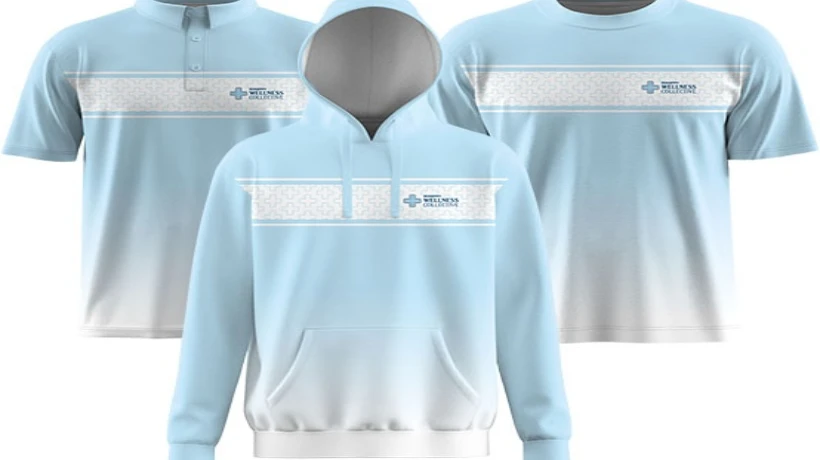
When people think of medical uniforms, scrubs come to mind first. But healthcare networks employ far more than clinical staff. Administrative teams, marketing departments, patient services, community outreach coordinators, and volunteers all represent the organization without ever wearing scrubs.
When people think of medical uniforms, scrubs come to mind first. But healthcare networks employ far more than clinical staff. Administrative teams, marketing departments, patient services, community outreach coordinators, and volunteers all represent the organization without ever wearing scrubs.
For these non-clinical roles, branded apparel matters. Polos, t-shirts, hoodies, and outerwear create a professional, cohesive look that reinforces your organization's identity. Building a medical staff uniforms program for these teams requires a different approach than ordering scrubs from a medical supply catalog.
Who Needs Branded Apparel in Healthcare
Start by identifying the teams that represent your organization outside of clinical settings. These typically include:
Administrative and front desk staff who greet patients and visitors. Marketing and communications teams who attend community events. Patient services and care coordinators who work directly with families. Human resources and recruitment teams that represent the organization at job fairs. Volunteers who support events, fundraisers, and community health initiatives.
Each of these groups benefits from branded apparel that looks professional and reinforces your healthcare brand. A polo with your logo creates instant recognition at a health fair. A hoodie for volunteers builds team identity during a fundraising walk. A quarter-zip for your leadership team looks polished at conferences.
Garment Options for Non-Clinical Staff
Unlike scrubs, which follow a standard format, non-clinical apparel programs can include a range of garment types. The most common include:
Polos for patient-facing administrative roles and community events. T-shirts for volunteers, wellness programs, and casual team apparel. Long-sleeve tees for outdoor events and cooler weather. Sweatshirts and hoodies for team building, giveaways, and volunteer appreciation. Hats for outdoor activations and community health fairs.
Look for garments in cotton, cotton-poly blends, or performance fabrics, depending on the use case. Administrative staff who sit at desks all day may prefer soft ringspun cotton. Outreach teams who spend time outdoors may benefit from moisture-wicking polos.
Color Consistency Across Departments
Healthcare organizations often have strict brand guidelines, including specific Pantone colors for logos and identity elements. Your medical uniforms should match those guidelines exactly.
When choosing a production partner, ask about Pantone color matching. A good partner will dye garments to your exact brand color rather than asking you to choose from a catalog of pre-dyed options. This matters when you're outfitting multiple departments. Your marketing team's polos should match your volunteer program's t-shirts exactly.
Color consistency also matters for reorders. Staff turns over, programs expand, and apparel wears out. Your production partner should keep your color specs on file so every future order matches the original.
Print Quality and Durability
Non-clinical staff may not face the same laundry demands as clinical teams, but their apparel still needs to hold up. Screen printing remains the most durable option for logos and text. Look for a production partner that uses quality inks and proper curing processes to prevent cracking and fading.
If your logo includes detailed artwork or gradients, ask about simulated process printing. This technique uses halftones to reproduce complex graphics with a limited number of ink colors, giving you more creative flexibility without sacrificing durability.
Finishing and Fulfillment
For healthcare networks with multiple facilities, fulfillment logistics matter. Some production partners can ship directly to individual locations, polybag garments for easy distribution, and apply barcodes for inventory tracking. These finishing options save time and reduce the burden on your internal teams.
If you're managing a volunteer program, consider building a small inventory of common sizes that can be distributed at events. A production partner with warehousing and fulfillment capabilities can hold stock and ship as needed.
Building a Program That Scales
A medical staff uniforms program should be built to grow. Start with the teams and garment types that have the most immediate visibility: front desk staff, marketing teams, and volunteer programs. Once you have a core lineup in place, expand to additional departments and garment types as needed.
Choose a production partner that can handle bulk orders, maintain color consistency across reorders, and scale with your organization. A partner built for B2B apparel programs will have systems in place to make repeat orders easy and reliable.
Final Considerations
Medical uniforms extend far beyond scrubs. Non-clinical staff, volunteers, and outreach teams all benefit from branded apparel that reinforces your organization's identity. Build a program with the right garments, consistent brand colors, and a production partner that can deliver at scale.


Comments
Login to Comment