Best Worm Composter for Easy Home Composting
05 Aug, 2026
763 Views 0 Like(s)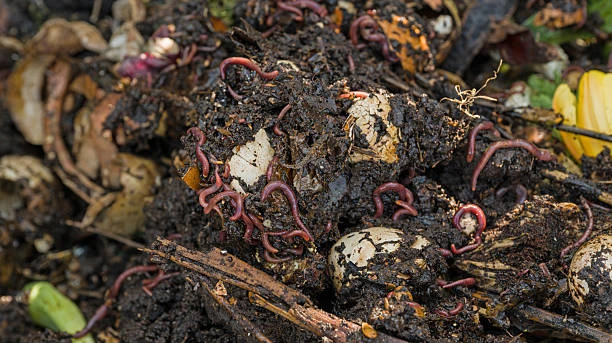
If you want to turn everyday kitchen scraps into useful compost, worm composting is one of the simplest methods to try at home. Unlike a traditional compost pile, a worm composter doesn't require a large outdoor space. A compact worm bin can sit on a balcony, in a garage, or even in a suitable indoor area.
If you want to turn everyday kitchen scraps into useful compost, worm composting is one of the simplest methods to try at home. Unlike a traditional compost pile, a worm composter doesn't require a large outdoor space. A compact worm bin can sit on a balcony, in a garage, or even in a suitable indoor area.
The idea is pretty simple. Composting worms eat organic food scraps and gradually turn them into nutrient-rich worm castings. These castings can then be used around plants to improve the soil naturally.
The tricky part is choosing the best worm composter for your home. Different bins have different designs, capacities, and maintenance requirements. Some use stackable trays, while others use continuous-flow systems. Let's look at what makes a good worm composter and which features are worth considering.
What Makes a Good Worm Composter?
A good worm composter should make it easy to feed the worms, maintain the right conditions, and collect finished castings.
Before choosing a system, look for features such as:
-
Good ventilation
-
Proper drainage
-
Easy access for feeding
-
Enough room for worms to move around
-
A convenient way to harvest castings
-
Sturdy construction
-
A size that matches your household's food waste
You don't necessarily need the biggest bin available. A smaller household may actually find a compact system easier to manage.
Best Types of Worm Composters
There are several styles of worm composters available, and each one has its own advantages.
1. Stackable Tray Worm Composter
Stackable systems are popular because they can expand as your worm population and food waste increase. The trays sit on top of one another, giving worms access to different levels.
As the lower tray becomes filled with finished material, you can usually remove it and harvest the compost while allowing the worms to continue working in the upper trays.
This design can be especially useful for beginners because the process is easy to understand and doesn't require much space.
2. Continuous-Flow Worm Composter
A continuous-flow system is designed to let you add fresh food near the top while finished compost is collected from the bottom.
One of the main advantages is that you don't have to completely take apart the bin whenever you want to harvest compost. This makes the system appealing to people who plan to compost kitchen scraps regularly.
These bins can also be a good option for households that produce a larger amount of organic waste.
3. Compact Indoor Worm Bin
If you're living in an apartment or have limited outdoor space, a smaller worm composter can be a practical choice.
Compact bins are easier to fit under counters, in utility areas, or on balconies. They also require less bedding and generally suit households with a smaller amount of food waste.
The most important thing is to avoid choosing a bin that is too small for the amount you're planning to compost.
4. DIY Worm Composter
You don't always have to buy a ready-made worm bin. A plastic storage container can be converted into a basic worm composter with proper ventilation, drainage, bedding, and suitable composting worms.
A DIY setup can be inexpensive and gives you the freedom to choose the size and design. However, you'll need to make sure the container has enough airflow and doesn't allow excess water to collect at the bottom.
Choosing the Right Size
Size is one of the first things you should consider.
If you live alone or with one other person, a compact worm bin may be more than enough. Larger households that produce more vegetable scraps may benefit from a bigger or expandable system.
Think about your normal kitchen habits rather than choosing based purely on the largest capacity.
A bin that's too large can be harder to manage, while an undersized bin may quickly become overcrowded.
What Worms Should You Use?
Not every type of earthworm is suitable for a worm composter.
Red wigglers, commonly known as composting worms, are one of the most popular choices because they thrive in the conditions found inside worm bins and are efficient at processing organic material.
Avoid simply collecting random worms from your garden and placing them into a worm bin. Composting worms are specifically suited to breaking down food scraps in this type of environment.
What Can You Put in a Worm Composter?
Worms can process a variety of common kitchen scraps, but they shouldn't be treated like a garbage disposal.
Suitable foods often include:
-
Vegetable scraps
-
Fruit scraps
-
Coffee grounds
-
Tea leaves
-
Crushed eggshells
-
Small amounts of plain cardboard or paper
Some foods should be limited or avoided, particularly meat, dairy, oily foods, heavily salted leftovers, and large quantities of citrus.
When starting out, it's better to feed small amounts and observe how quickly the worms process the material.
Keeping Your Worm Bin Healthy
A healthy worm bin doesn't require constant attention, but it does need the right balance.
The bedding should remain damp without becoming waterlogged. Too much moisture can create problems, while extremely dry bedding can make the environment uncomfortable for the worms.
Good airflow is also important. If your bin develops a strong unpleasant odor, don't simply add more food. Check whether you're overfeeding, whether the bedding is too wet, or whether the system needs better ventilation.
A simple routine of checking the bin every few days is usually enough.
Common Beginner Mistakes
Worm composting is easy once you understand the basics, but beginners often make a few predictable mistakes.
The most common ones include:
-
Adding too much food at once
-
Keeping the bedding too wet
-
Choosing the wrong type of worms
-
Forgetting about ventilation
-
Allowing food scraps to pile up faster than worms can process them
-
Placing the bin somewhere with extreme temperatures
Fortunately, most of these problems can be avoided by starting slowly and paying attention to what your worms are telling you.
Is a Worm Composter Worth Having?
If you regularly produce kitchen scraps and want to reduce household waste, a worm composter can be a useful addition to your home.
The biggest benefit is that you're not simply throwing organic waste away. Instead, worms transform those scraps into castings that can be used to support healthy soil and plants.
It's also a surprisingly satisfying process. What begins as a container filled with food scraps gradually becomes dark, earthy compost that can be put to use in your garden or plant pots.
Conclusion
The best worm composter isn't necessarily the most expensive or largest model. It's the one that fits your available space, household waste levels, and willingness to maintain the system.
Stackable trays are convenient for beginners, continuous-flow bins are useful for regular composters, and compact systems can work particularly well in apartments. If you're comfortable with a little DIY work, you can even build a basic worm bin yourself.
Start with the right worms, feed them gradually, maintain proper moisture and airflow, and give the system time to develop. With a little consistency, your worm composter can turn everyday kitchen scraps into something genuinely useful.
Frequently Asked Questions
1. What is the best worm composter for beginners?
A simple stackable tray system can be a good starting point because it provides an organized way to feed worms and harvest finished castings.
2. How many worms do I need for a worm composter?
The number depends on the size of your bin and how much food waste you produce. It's generally better to begin with an appropriate amount rather than overcrowding the system.
3. Can a worm composter be kept indoors?
Yes. Worm bins can work indoors when they are properly maintained. A cool, shaded location with good ventilation is generally preferable.
4. How often should I feed composting worms?
There's no need to feed them every day. Start with small quantities and add more as the worms process the existing food.
5. What do worm castings look like when they're ready?
Finished worm castings are usually dark, crumbly, and earthy in appearance. They should not have a strong rotten odor.

Comments
Login to Comment