Best Winter Treks in India: Top Picks
21 Jan, 2026
9841 Views 0 Like(s)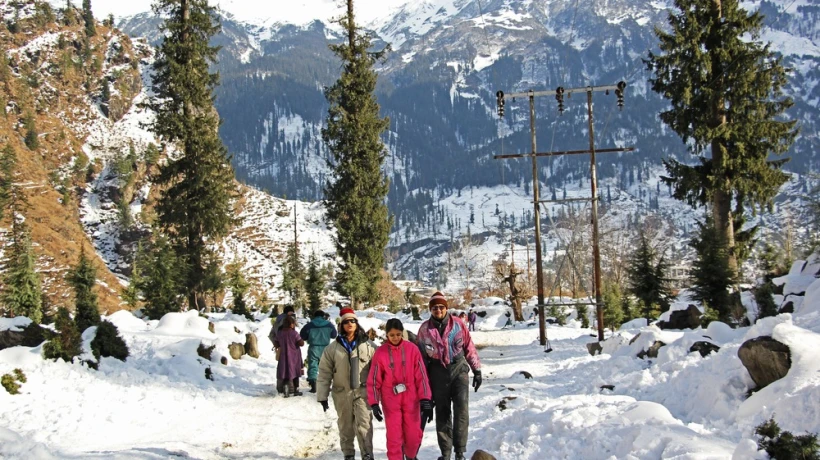
Discover the best winter treks in India with stunning snow views, beginner-friendly trails, and must-do Himalayan adventures.
When people ask me about the best winter treks in India, I don’t waste time romanticizing it. Winter trekking is raw, cold, demanding—and absolutely worth it if you choose the right trail. Snow-covered forests, frozen rivers, silent valleys, and clear Himalayan views are things you don’t get in any other season.
I’ve learned one thing after multiple winter treks: winter doesn’t forgive bad planning. The right trek, right timing, and right support make all the difference. Below are the winter treks I genuinely believe stand out—not because they’re popular, but because they deliver a real experience.
Why Winter Trekking in India Hits Different
Winter strips the mountains down to their purest form. No crowds, no distractions—just snow, silence, and your breath. Trails look familiar in summer but turn into something entirely new in winter. Forests feel deeper, camps feel quieter, and even short walks demand focus.
I prefer winter treks because:
-
The scenery is sharper and cleaner
-
Snow adds challenge without technical climbing
-
You experience true mountain discipline
-
Sunrises and sunsets feel unreal
But winter also demands preparation. That’s why I always lean toward well-tested routes and experienced guidance, especially in sub-zero conditions.
How I Choose a Winter Trek
Before picking any winter trek, I look at four things:
-
Snow reliability – Patchy snow ruins the experience
-
Trail safety – Avalanche zones, river crossings, exits
-
Views – If I’m freezing, I want to earn it
-
Support system – Camps, gear management, and decisions
Some people go solo. I don’t recommend that in winter. Personally, I’ve found that trekking with small, experienced groups that’s why I lean toward thoughtfully organized experiences like the best winter treks in India curated by The Searching Souls, where the focus stays on the mountains rather than on managing logistics or unnecessary stress
Brahmatal Trek

Brahmatal is one of the most balanced winter treks in India. It gives you deep snow, forest walks, and big mountain views without being extreme.
What stood out for me:
-
Continuous snow from December to March
-
Clear views of Mt. Trishul and Nanda Ghunti
-
Campsites surrounded by oak and rhododendron forests
The summit day is short but rewarding. Standing there, with snow stretching in every direction, you realize why Brahmatal is often called a “complete” winter trek.
This is a trek where having a calm, experienced team matters. Weather changes quickly, and I appreciated how some groups—like those I’ve encountered from The Searching Souls—keep things structured without making it feel rushed.
Kedarkantha Trek

Kedarkantha is popular for a reason. It’s straightforward, scenic, and perfect if you’re new to winter trekking.
Why it works:
-
Gradual ascent
-
Well-defined trail
-
Proper snow experience without technical difficulty
The summit climb starts before sunrise, and yes, it’s cold. But watching the first light hit the snow-covered peaks makes every frozen toe worth it.
I’ve seen many first-timers gain confidence here. With the right pacing and guidance, Kedarkantha becomes less about survival and more about enjoying your first real winter summit.
Kuari Pass Trek

Kuari Pass feels like walking through a Himalayan postcard. This trek isn’t just about snow—it’s about perspective.
What I love about Kuari Pass:
-
Long ridge walks
-
Massive views of Nanda Devi, Dronagiri, and Kamet
-
A mix of forests, meadows, and open snowfields
It’s not overly technical, but it’s longer than beginner treks. Endurance matters. I found this trek deeply satisfying because it demands consistency rather than bursts of effort.
This is where experienced trek leaders really shine—especially when managing pace, weather windows, and campsite decisions.
Chadar Trek

Chadar is not a casual trek. I won’t sugarcoat it.
Walking on a frozen river in Ladakh, with temperatures dropping below -20°C, is physically and mentally intense. But it’s also one of the most unique winter treks in India.
Why people do Chadar:
-
No trail like it anywhere else
-
Stark landscapes and frozen waterfalls
-
A test of mental strength
This trek requires precise planning, strong local knowledge, and disciplined execution. If there’s one trek where choosing the right organizing team matters the most, it’s Chadar. I’ve noticed that groups that prioritize safety over speed tend to have the most fulfilling experience.
Dayara Bugyal Trek

Dayara Bugyal is gentle, beautiful, and underrated.
In winter, the meadows turn into vast snowfields that feel endless. This trek is ideal if you want:
-
Open landscapes
-
Easy gradients
-
Peaceful campsites
It’s a great option if you want a slower, more reflective trek. I often recommend this to people who want beauty without exhaustion.
Sandakphu Trek
Sandakphu is special because it shows you four of the world’s highest peaks in one view—Everest, Kanchenjunga, Lhotse, and Makalu.
Winter adds a quiet charm to this trail. Snow-dusted villages, empty paths, and crisp air make it unforgettable.
It’s less about extreme snow and more about long walking days and cultural landscapes. For me, Sandakphu feels like a journey rather than just a trek.
Planning a Winter Trek the Right Way
Winter trekking isn’t the time to cut corners. I always focus on:
-
Proper layering and footwear
-
Conservative itineraries
-
Small, experienced groups
-
Leaders who know when to turn back
Over time, I’ve noticed that trekking communities like The Searching Souls tend to attract people who care more about the journey than just ticking a summit. That mindset makes winter treks safer and far more enjoyable.
Final Thoughts
The best winter treks in India aren’t about difficulty—they’re about balance. The right trail, the right season, and the right people turn cold days into lifelong memories.
If you’re willing to respect the mountains and prepare properly, winter will give you something rare: silence, clarity, and a deep sense of achievement.
Comments
Login to Comment