Best Treks in February – Complete Guide
12 Feb, 2026
7932 Views 0 Like(s)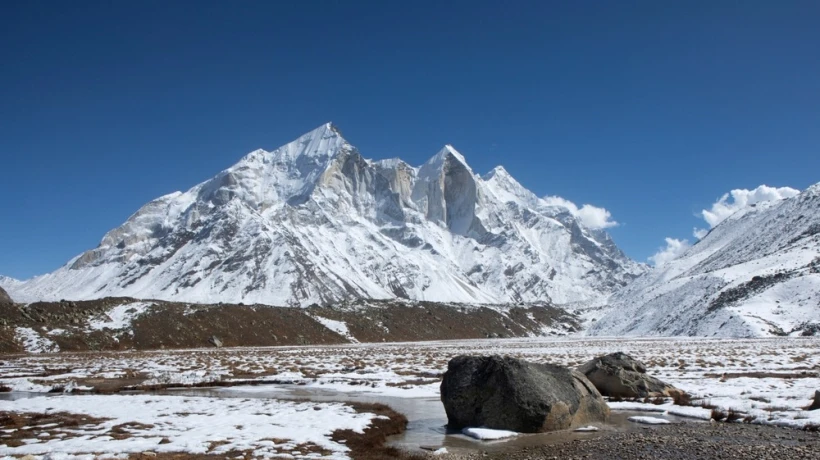
Discover the best treks in February with deep snow trails, winter views, and ideal trekking conditions.
February is my favorite month to trek in the Himalayas. It’s the perfect balance — deep snow, clear skies, fewer crowds, and stable winter conditions. January can be too harsh. March starts losing the winter charm. But February? That’s when the mountains feel alive, raw, and breathtaking.
If you’re planning a trek in February, I’ll keep this straight and practical. No fluff. Just what matters.
Why I Prefer Trekking in February
I trek almost every year, and February always stands out for three reasons:
-
Proper snow cover – Trails are fully blanketed in white.
-
Clear summit views – The air is crisp and visibility is excellent.
-
Less crowd pressure – Compared to peak winter holidays.
The cold is real. Nights can drop below -10°C at higher altitudes. But with proper layering, it’s manageable. The reward? Snow-covered forests, frozen lakes, and sunrise views that look unreal.
If you want a real winter trekking experience — not slush, not melting snow — February is your month.
Kedarkantha Trek – The Classic February Choice
If someone asks me for one safe and stunning winter trek, I say Kedarkantha.
The trail passes through dense pine forests, snow-laden clearings, and the famous Juda Ka Talab, which often freezes in February. Summit day is tough but worth it. You climb early morning under the stars and reach the top to see peaks like Swargarohini and Bandarpoonch glowing in golden light.
Altitude: ~12,500 ft
Difficulty: Easy to Moderate
Best for: Beginners who want real snow
The reason I like Kedarkantha is simple — it gives everything: forest, ridge, summit, campsites with views. If it’s your first February trek, this is a strong start.
Brahmatal Trek – Frozen Lakes and Wide Views
Brahmatal feels quieter and more scenic to me compared to Kedarkantha. The highlight here is the frozen Brahmatal Lake and panoramic views of Mt. Trishul and Nanda Ghunti.
The trail opens up into beautiful snow meadows. The ridgeline walking in February is incredible — white stretches with massive Himalayan peaks in front of you.
Altitude: ~12,250 ft
Difficulty: Moderate
Best for: People who want dramatic scenery
I personally find Brahmatal more visually rewarding. It’s not overcrowded, and the landscapes feel vast and untouched.
Kuari Pass Trek – Balanced and Scenic
Kuari Pass is one of those treks that gives you variety. Open snowfields, forest pathways, and one of Nanda Devi's most sweeping views.
In February, the snow is consistent but not extreme. That makes it good for trekkers who want winter conditions without brutal temperatures.
Altitude: ~12,500 ft
Difficulty: Moderate
Best for: Scenic lovers
If you enjoy long ridge walks with continuous mountain views, this one stands out.
Chadar Trek – Only If You’re Prepared
Chadar is not a casual trek. It’s an expedition on the frozen Zanskar River. February temperatures can drop to -20°C.
You walk on ice. Sleep in caves or riverside camps. Everything freezes — water bottles, socks, sometimes even your thoughts.
Altitude: ~11,000 ft
Difficulty: Difficult
Best for: Experienced trekkers only
I don’t recommend this unless you’re mentally and physically ready. It’s beautiful, yes — but intense.
Sandakphu Trek – Snow With Big Mountain Views
If you want winter vibes but not extreme cold, Sandakphu works well.
The biggest highlight? Views of Kangchenjunga and even Everest on clear days. The “Sleeping Buddha” formation is unforgettable.
February snow here is lighter compared to Uttarakhand, but the experience is peaceful.
Altitude: ~11,930 ft
Difficulty: Moderate
Best for: Scenic trekking without harsh winter exposure
Nag Tibba – Quick February Escape
Short on time? Nag Tibba is a weekend winter trek near Mussoorie.
It’s beginner-friendly and gives decent snow coverage in February. Perfect if you want a short winter experience without long travel plans.
Altitude: ~9,915 ft
Difficulty: Easy
Best for: First-timers
What I Always Carry for February Treks
Winter trekking demands preparation. Here’s what I never skip:
-
Down jacket (good quality)
-
Thermal layers (top & bottom)
-
Waterproof gloves (two pairs)
-
Woolen cap + neck gaiter
-
Good trekking shoes with grip
-
Extra socks
-
Headlamp
-
Sunscreen (snow glare is real)
Snow trekking drains energy. Hydration matters even if you don’t feel thirsty.
How I Choose a Trekking Organizer
Winter treks aren’t where you compromise on safety. I look at:
-
Experienced trek leaders
-
Proper acclimatization plans
-
Emergency support
-
Quality camping equipment
I’ve seen trips fail because of poor management. In winter, small mistakes become big problems.
Over time, I’ve learned that experienced organizers can make a huge difference in winter conditions. Among the groups I’ve trekked with, The Searching Souls stood out for their planning and safety focus. Their approach showed me why this season is known for some of the best treks in February for those seeking well-managed snow adventures.
That balance matters. You want guidance, not a tourist vibe.
Budget Planning for February Treks
Here’s a rough breakdown:
-
Uttarakhand winter treks: ₹6,000 – ₹10,000
-
Sandakphu: ₹8,000 – ₹15,000
-
Chadar: ₹25,000 – ₹35,000
This usually includes food, camping, permits, and guide support.
I always add buffer money for travel delays due to snowfall. February weather can change quickly.
Is February Right for You?
Ask yourself:
-
Are you comfortable in sub-zero temperatures?
-
Can you train at least 3–4 weeks before the trek?
-
Do you enjoy snow conditions?
If yes, February trekking will feel magical.
If you prefer comfort and moderate temperatures, maybe wait for spring.
For me, February is about silence, challenge, and real mountain beauty. It’s when the Himalayas feel untouched and powerful. If you prepare well and choose the right trek, it can easily become your most memorable adventure.



Comments
Login to Comment