Best Resume Builder for Beginners: Simple Steps to Get Started
24 Sep, 2026
10 Views 0 Like(s)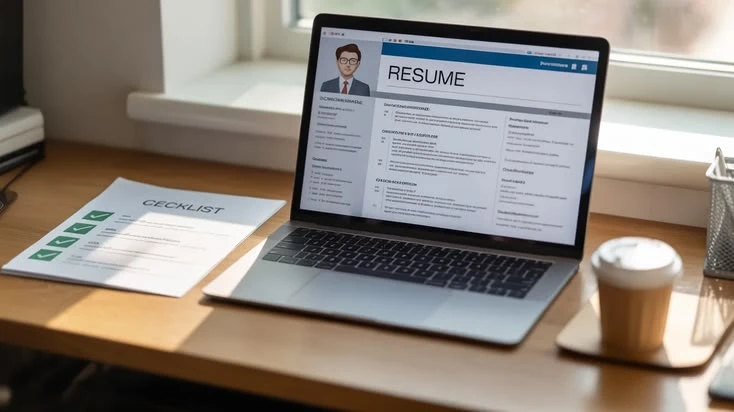
Never made a resume before? This beginner-friendly guide explains exactly what goes into a resume and how to use a builder to create your very first one.
If you've never created a resume before, even the basic terminology can feel confusing. What exactly goes under "experience" if you've never had a job? What's the difference between a summary and an objective? Should you even include a skills section if you're not sure what counts as a skill?
These are completely normal questions, and you're not expected to already know the answers. This guide breaks resume building down to the absolute basics, explaining what each section actually means and how a resume builder can guide you through creating your very first resume from scratch.
Why Starting From Zero Feels So Confusing
Most resume advice assumes you already understand the basic structure, which can leave true beginners feeling lost before they even begin.
You may not know what information belongs in each section
Terms like "professional summary" or "core competencies" can sound intimidating without context
Without previous job experience, it's unclear what you're even supposed to write about
This confusion is completely normal, and understanding the basics can make the entire process feel much more manageable.
What Is a Resume, Really?
At its simplest, a resume is a short document that introduces you to a potential employer. It highlights who you are, what you can do, and why you might be a good fit for a specific role. That's it. It doesn't need to be complicated or impressive sounding, it just needs to be clear and honest.
Understanding the Basic Sections of a Resume
Before using a builder, it helps to understand what each common section actually means.
Contact Information
This is simply your name, phone number, email address, and sometimes your city or general location.
Professional Summary or Objective
This is a short, two to three sentence introduction about who you are and what you're looking for. For beginners, this might sound like, "Motivated and organized individual seeking an entry-level customer service role."
Experience
This section usually includes past jobs, but if you've never had one, it can also include volunteer work, school projects, or relevant activities that show responsibility or effort.
Skills
This includes both practical skills, like basic computer knowledge, and soft skills, like communication or teamwork.
Education
This includes your most recent school or program, even if you haven't graduated yet.
Understanding these sections in plain language removes much of the mystery around what you're supposed to include.
How a Resume Builder Helps Beginners Specifically
Since beginners often don't know what to include, a good resume builder becomes especially helpful in a few key ways.
It Explains What Each Section Needs
Instead of guessing, builders typically include short explanations or examples for each section as you fill it in.
It Offers Example Phrases
If you're unsure how to describe your experience, many builders provide sample phrases you can adjust to fit your own background.
It Prevents You From Missing Important Sections
Beginners often forget key details. A guided builder ensures you don't accidentally skip something important.
It Formats Everything Automatically
You don't need to worry about spacing, alignment, or design choices, the builder handles this for you as you go.
Step-by-Step: Creating Your First Resume as a Beginner
Here's a simple, beginner-friendly process to follow.
Step 1: Start With Your Contact Information
This is the easiest section to complete and a good way to ease into the process.
Step 2: Write a Short, Honest Summary
Keep it simple. Mention what kind of role you're looking for and one or two qualities that describe you, such as reliable, organized, or eager to learn.
Step 3: List Any Relevant Experience
If you haven't had a job, include volunteer work, school clubs, group projects, or even responsibilities at home that show maturity and reliability.
Step 4: Add Basic Skills
Think about simple skills you already have, such as using email, working well with others, or staying organized. These count more than you might think.
Step 5: Include Your Education
List your most recent school, along with your expected or completed graduation date.
Step 6: Review and Export
Once complete, quickly read through your resume, then export it as a PDF or Word document.
What to Do If You Feel Like You "Don't Have Anything" to Include
This is one of the most common concerns among beginners, but almost everyone has more to include than they realize.
Group projects that required teamwork or organization
Volunteering, even informal helping out in your community
Babysitting, tutoring, or helping family members with tasks
Extracurricular activities, clubs, or leadership roles in school
These experiences often demonstrate valuable qualities like responsibility, communication, and reliability, even without formal job titles attached.
Simple Tips to Make Your First Resume Look Professional
Even as a beginner, a few small habits can make a big difference.
Keep your resume to one page
Use simple, clear language rather than trying to sound overly formal
Stick to a clean, simple template rather than an overly decorative one
Proofread carefully, or ask someone else to review it for you
Where to Use Your First Resume
Once your resume is complete, the next step is putting it to use. Exploring current openings on a platform like https://yulys.com/jobs allows you to start applying to beginner-friendly roles with a resume that's finally ready to go.
Why Your First Resume Doesn't Need to Be Perfect
Many beginners delay finishing their resume because they're worried it won't be good enough. In reality, your first resume simply needs to be clear, honest, and complete, not flawless. You can always update and improve it as you gain more experience over time.
Conclusion
Creating your first resume doesn't have to be confusing or overwhelming, even if you've never done it before. By understanding what each section actually means and using a guided resume builder to walk you through the process, you can create a clear, honest resume that accurately represents you, even without previous job experience.
Everyone starts somewhere, and your first resume is simply the beginning of a much longer career journey.
For more beginner-friendly career tips, visit the https://yulys.com/blog to continue building confidence in your job search.
Frequently Asked Questions
-
What if I've never had a job before? What do I put under experience?
You can include volunteer work, school projects, or other responsibilities that show reliability and effort, even without formal job titles.
-
Do I need a long resume as a first-time job seeker?
No. A short, clear resume of one page is usually more effective than trying to fill space unnecessarily.
-
What skills should beginners include on their first resume?
Basic skills like communication, organization, and general computer knowledge are valuable, even without specialized experience.
-
Is it okay if my first resume isn't perfect?
Yes. Your first resume just needs to be clear and honest. You can continue updating it as you gain more experience.
-
Can a resume builder really help someone with zero experience?
Yes. Guided builders often include prompts and examples specifically designed to help beginners know what to include.
Comments
Login to Comment