Autologous vs Allogeneic Cell Therapy Manufacturing Compared
24 Jul, 2026
909 Views 0 Like(s)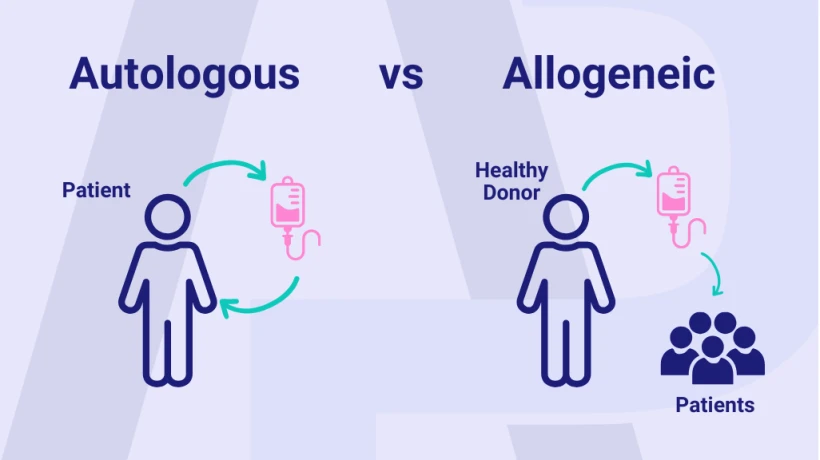
Selecting the right manufacturing strategy also determines the complexity of cell therapy process development and the type of infrastructure required from experienced cell therapy manufacturing services providers.
As cell therapies continue to reshape the treatment of cancer, autoimmune diseases, and rare disorders, developers must make a critical manufacturing decision early in product development: should the therapy follow an autologous or allogeneic manufacturing model? The answer influences production scalability, cost of goods, supply chain design, and commercialization strategy. Today, allogeneic cell therapy manufacturing is gaining significant momentum because of its potential to support off-the-shelf therapies and larger patient populations, while autologous therapies remain essential for personalized treatment approaches.
Selecting the right manufacturing strategy also determines the complexity of cell therapy process development and the type of infrastructure required from experienced cell therapy manufacturing services providers.
Understanding Autologous Cell Therapy Manufacturing
Autologous cell therapy uses a patient's own cells to manufacture an individualized treatment. Cells are collected, processed, expanded or genetically modified, and then returned to the same patient.
Advantages
- Eliminates donor-recipient compatibility concerns.
- Lower risk of immune rejection.
- Personalized treatment approach.
- Proven success in several approved cell therapies.
Challenges
- One manufacturing batch per patient.
- Complex logistics and chain of identity.
- Higher manufacturing costs.
- Limited scalability.
- Longer production timelines.
Because every batch is unique, maintaining consistency across multiple manufacturing runs can be challenging.
Understanding Allogeneic Cell Therapy Manufacturing
Allogeneic cell therapy manufacturing uses cells obtained from healthy donors to produce therapies that can be administered to multiple patients.
This "off-the-shelf" approach is attracting growing industry interest because it enables larger manufacturing campaigns and improved operational efficiency.
Advantages
- Large-scale production from a single donor source.
- Lower manufacturing cost per dose.
- Faster product availability.
- Simplified supply chain management.
- Better commercial scalability.
Challenges
Manufacturers must address:
- Donor selection and qualification.
- Potential immune compatibility issues.
- Process consistency across large production batches.
- Long-term cell banking strategies.
- Regulatory expectations for donor-derived products.
Comparison: Autologous vs Allogeneic Manufacturing
| Feature | Autologous Manufacturing | Allogeneic Manufacturing |
|---|---|---|
| Cell Source | Individual patient | Healthy donor |
| Manufacturing Scale | One batch per patient | Multiple doses per batch |
| Commercial Scalability | Limited | High |
| Manufacturing Cost | Higher | Lower |
| Production Timeline | Longer | Shorter |
| Supply Chain Complexity | High | Moderate |
| Commercial Potential | Moderate | Excellent |
While both models continue to play important roles, many developers view allogeneic manufacturing as the preferred approach for therapies targeting larger patient populations.
The Role of Cell Therapy Process Development
Regardless of the manufacturing strategy, successful commercialization depends on robust cell therapy process development.
Process development activities include:
- Cell isolation optimization.
- Expansion process optimization.
- Media and reagent selection.
- Process characterization.
- Scale-up evaluation.
- Analytical method development.
Early investment in process development helps improve reproducibility, reduce manufacturing variability, and simplify technology transfer.
Why Cell Therapy Manufacturing Services Matter
As manufacturing becomes more specialized, many biotechnology companies partner with organizations offering integrated cell therapy manufacturing services.
An experienced manufacturing partner can provide:
- Process development expertise.
- GMP manufacturing infrastructure.
- Bioanalytical testing.
- Quality control and release testing.
- Technology transfer support.
- Commercial manufacturing readiness.
Working with a single manufacturing partner often reduces project complexity while improving communication across development and manufacturing activities.
Industry Trends in 2026
Several trends are shaping the future of cell therapy manufacturing:
- Growing investment in allogeneic cell therapy platforms.
- Increased use of automated manufacturing technologies.
- Expansion of closed-system manufacturing.
- Greater demand for end-to-end CDMO partnerships.
- Continued focus on reducing manufacturing costs.
These developments are helping manufacturers improve efficiency while preparing for larger commercial production volumes.
Best Practices for Manufacturing Strategy Selection
Organizations evaluating manufacturing models should:
✔ Assess target patient population size.
✔ Consider long-term commercialization goals.
✔ Invest early in cell therapy process development.
✔ Evaluate manufacturing scalability.
✔ Select experienced cell therapy manufacturing services partners.
✔ Develop regulatory and quality strategies alongside manufacturing planning.
Conclusion
Choosing between autologous and allogeneic cell therapy manufacturing is a strategic decision that affects every stage of product development and commercialization. While autologous therapies continue to offer personalized treatment advantages, allogeneic manufacturing provides significant opportunities for scalability, cost efficiency, and broader patient access.
Successful manufacturing requires more than selecting the right production model. It depends on robust process development, strong quality systems, and experienced manufacturing partners capable of supporting therapies from early development through commercial production.
Xellera Therapeutics provides integrated cell therapy manufacturing services, including process development, GMP manufacturing, bioanalytical testing, quality control, and technology transfer, helping developers successfully advance both autologous and allogeneic cell therapy programs.



Comments
Login to Comment