At What Age Can Children Ride Electric Motorcycles Safely?
23 Jan, 2026
9829 Views 0 Like(s)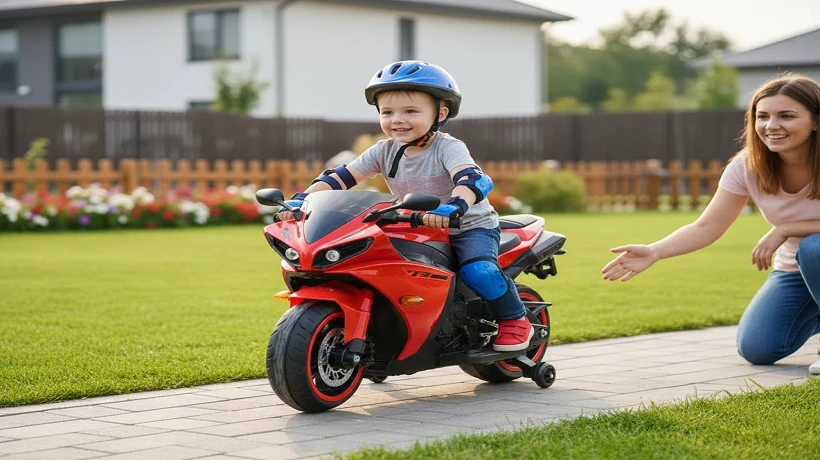
Learn the right age for children to ride electric motorcycles safely. Understand readiness, safety features, riding space, and tips for supervised practice to help kids gain confidence while enjoying their bikes.
Watching children ride electric motorcycles for kids is both exciting and a little nerve-wracking for parents. These bikes offer fun, develop balance, and build confidence, but safety is always the top priority. Age is important, but physical skills, emotional readiness, and riding environment matter just as much. Bikes for kids are designed to be safe, but proper guidance and preparation ensure children enjoy a thrilling ride without unnecessary risks.
Typical Age Range for Safe Riding
Early Exposure (Ages 2–3)
Children under three can benefit from sitting on or being guided on a motorbike for kids. They can learn about the controls and the feeling of movement but are not ready for independent riding. Full parental supervision or models with remote control is necessary at this stage.
Developing Skills (Ages 3–4)
By age three, many children have enough balance and motor coordination to begin basic riding. They can start moving forward, learning simple turns, and using the brakes with supervision. Gradual exposure in a safe, open area allows them to gain confidence while minimizing risks.
Confident Riders (Ages 4–6)
At four to six years, children develop improved spatial awareness and strength. Bikes for kids can be used more independently with moderate supervision. At this stage, children can manage gentle turns, understand speed control, and navigate small obstacles under guidance.
Physical Skills Needed for Riding
Balance and Core Strength
Children need strong core muscles to maintain posture on a motorbike for kids. Sitting upright and keeping control of the bike while riding requires coordination, which improves with age and practice.
Hand and Leg Coordination
Hand strength ensures children can grip handlebars and operate brakes smoothly. Leg muscles help stabilize the bike when stopping or mounting and dismounting. Children with prior experience with push cars or ride-on toys usually adapt faster.
Understanding Bike Controls
Throttle and Brakes
Electric motorcycles for kids come with various controls. Learning to accelerate and brake safely is essential. Early practice with supervision allows children to understand the cause-and-effect of pressing the throttle or brake.
Speed Modes
Many kids electric motorcycles feature adjustable speed settings. Starting with the lowest speed ensures safety while allowing children to gain confidence. Parents can gradually increase speed as skills improve.
Parental Remote Controls
Some variants offer a parental remote control for enhanced safety. Adults can intervene if the child loses control or enters unsafe areas. This feature is especially useful for beginners.
Riding Space Requirements
Indoor Riding
Low-speed models can be used indoors if the space is clear and smooth. Furniture, stairs, or tight hallways limit safety. Short practice sessions indoors help children familiarize themselves with basic controls.
Outdoor Riding
Outdoor spaces such as driveways, enclosed yards, or garden paths provide more room for turning, stopping, and accelerating. Open spaces improve control and allow children to enjoy longer rides safely.
Surface and Terrain Considerations
Different terrains affect control and safety:
-
Smooth concrete or tile provides predictable motion.
-
Grass or uneven surfaces require extra caution and wider turning space.
-
Sloped areas or gravel may increase tipping risks.
Parents should always match the terrain to the bike’s capabilities and the child’s skill level.
Emotional Readiness
Confidence and Fear
Emotional readiness is crucial. Children who are excited but cautious tend to adapt faster. Fear or anxiety can reduce control and increase accidents. Short practice sessions and gentle encouragement help children gain confidence.
Positive Reinforcement
Praise and patience encourage children to learn safely. A child who enjoys riding is more likely to develop proper control and ride responsibly.
Safety Features to Look For
-
Adjustable speed limits for beginners
-
Effective brake systems
-
Stable wide wheels
-
Comfortable seats for proper posture
-
Parental remote control
These features ensure children learn safely while gradually gaining independence.
Comparison Table: Age vs. Riding Readiness
| Age Range | Riding Readiness | Supervision Needed |
|---|---|---|
| 2–3 years | Familiarization with controls | Full parental guidance or remote assistance |
| 3–4 years | Basic control and turns | Close supervision, low-speed modes |
| 4–5 years | Confident riding | Moderate supervision, gradual introduction to faster speeds |
| 5–6 years | Independent control | Light supervision, larger open areas for practice |
How Speed and Controls Affect Space
Even low-speed electric motorcycles for kids require proper space. Higher speeds need longer stopping distances and wider turning areas. Matching speed with the riding environment reduces risk and improves learning.
Real-Life Examples
Many parents report that children aged three to four enjoy practicing in enclosed yards with soft surfaces. One example is a four-year-old who gradually mastered steering on a 15-foot clear path before moving to a driveway. Another child at age five used an open garden to practice turns and stopping, gradually gaining confidence to ride independently.
DID YOU KNOW?
According to a study by the National Highway Traffic Safety Administration (NHTSA), children using ride-on toys with supervised guidance and proper space have a 60% lower risk of minor injuries compared to unsupervised play in constrained areas.
Choosing the Right Electric Motorcycle
Parents should evaluate:
-
Age recommendations on the bike
-
Maximum and minimum speed settings
-
Safety features like brakes and remote controls
-
Space availability at home or outdoors
Shopping through a trusted kids toys online shopping platform ensures accurate information and quality products.
Long-Term Benefits of Early Riding
Early exposure to electric motorcycles for kids can improve:
-
Balance and coordination
-
Spatial awareness
-
Confidence in movement
-
Motor skills that transfer to cycling and other activities
Starting at the right age and in safe conditions ensures these benefits are maximized.
Conclusion: Age, Readiness, and Space Make Riding Safe
Electric motorcycles for children provide hours of entertainment, skill development, and confidence-building. The ideal age for independent riding is usually three to six years, but physical and emotional readiness, proper space, and safety features are equally important. Parents who prepare a safe environment, guide their children, and choose the right model create memorable, enjoyable, and safe riding experiences. With thoughtful preparation, children gain both independence and joy while riding their bikes for kids.
Visit for news and updates at thynktales.com

Comments
Login to Comment