Area Rug Cleaning in Houston, TX: What Every Homeowner Should Know
06 Aug, 2026
740 Views 0 Like(s)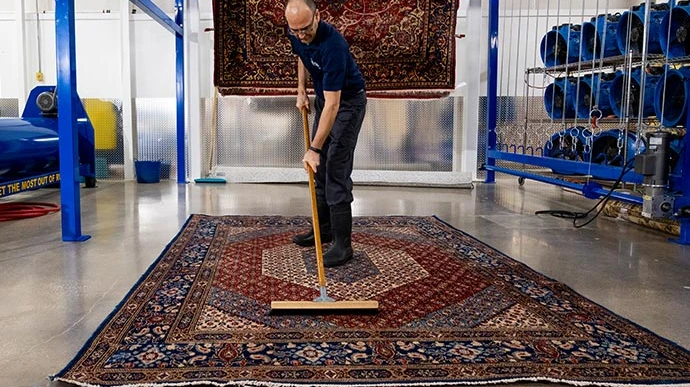
This article covers what area rug cleaning actually involves, why it matters for both appearance and health, the unique challenges Houston homes face, and how to know when it's time to call in a professional.
Area rugs do a lot of work in a home. They anchor furniture arrangements, add warmth to hard flooring, soften a room acoustically, and often serve as one of the biggest style statements in a space. But because they sit directly underfoot, they also absorb an enormous amount of dirt, allergens, spills, and general wear over time. In a city like Houston, where humidity, dust, and heavy foot traffic are part of daily life, area rugs need more attention than most homeowners realize.
This article covers what area rug cleaning actually involves, why it matters for both appearance and health, the unique challenges Houston homes face, and how to know when it's time to call in a professional.
What Counts as an "Area Rug"?
Area rugs cover a wide range of products: machine-made synthetic rugs, wool rugs, jute and sisal natural-fiber rugs, shag rugs, cowhide, and even hand-knotted pieces that fall outside the traditional "oriental rug" category. Because area rugs come in so many different materials and constructions, they don't all respond to cleaning the same way.
A synthetic polypropylene rug from a big-box store can typically handle more moisture and stronger cleaning agents than a hand-loomed wool rug. A jute or sisal rug, on the other hand, is highly water-sensitive and can be permanently damaged by improper wet cleaning. Knowing the fiber content of your rug is the first step in determining the right cleaning approach, and it's one of the first things a professional cleaner should assess before starting any work.
Why Area Rugs Get Dirtier Than You Think
Even in a well-maintained home, area rugs accumulate far more debris than is visible on the surface. Every time someone walks across a rug, dust, dirt, and skin cells are pressed deeper into the pile. Over weeks and months, this creates layers of buildup that a vacuum simply can't reach.
In Houston specifically, several factors accelerate this process:
Humidity and moisture. Houston's climate keeps indoor humidity levels elevated for much of the year, especially without diligent air conditioning use. This moisture can settle into rug fibers, creating a favorable environment for dust mites, mold, and mildew, particularly in rugs placed over hard flooring where air doesn't circulate underneath.
Pollen and outdoor allergens. Houston has one of the longer and more intense allergy seasons in the country. Pollen gets tracked indoors on shoes, pet paws, and clothing, and area rugs act like a magnet for these particles.
Heavy foot traffic and pets. Homes with children, pets, or a lot of visitors put area rugs through significant wear. Pet dander, hair, and accidents are common issues that require targeted treatment beyond a standard vacuum.
Frequent storms and tracked-in mud. Houston's sudden rainstorms mean rugs near entryways often deal with mud, water, and grit tracked in from outside.
All of this adds up to rugs that look "fine" on the surface but are holding onto a significant amount of contamination underneath.
Health Reasons to Keep Area Rugs Clean
Beyond appearance, area rug cleanliness has a real impact on indoor air quality. Rugs trap dust, pet dander, pollen, dust mite waste, and other allergens, holding them until they're disturbed by foot traffic or airflow. For households with allergy sufferers, asthma, or young children who spend time on the floor, a dirty rug can be a constant source of irritation.
Regular vacuuming helps manage surface-level allergens, but embedded particles require deeper extraction. Professional cleaning removes contaminants that home vacuums leave behind, which can make a noticeable difference in air quality, especially in bedrooms and living rooms where rugs see the most use.
DIY Cleaning vs. Professional Cleaning
Many homeowners try to manage area rug cleaning entirely on their own, and for light maintenance, that's perfectly reasonable. Regular vacuuming, rotating the rug periodically for even wear, and blotting spills immediately are all good habits.
However, DIY deep cleaning has real limitations and risks:
- Rental carpet cleaners are built for wall-to-wall carpet, not area rugs, and often apply too much water without proper extraction, leading to slow drying and potential mold growth underneath.
- Store-bought spot cleaners can leave behind sticky residue that actually attracts more dirt over time, or they can react poorly with certain dyes.
- Improper drying is one of the most common DIY mistakes. In Houston's humidity, a rug that isn't dried quickly and thoroughly is at real risk of developing mold or a musty odor, sometimes within just a day or two.
- Fringe damage is common when homeowners scrub or use harsh brushes near the rug's edges, which are often more delicate than the body of the rug.
Professional cleaning uses equipment and techniques specifically designed to extract deep soil, treat stains appropriately for the rug's fiber type, and dry the rug fully and evenly, something that's difficult to replicate at home, especially in a humid climate.
What to Expect From Professional Area Rug Cleaning
A quality area rug cleaning service typically follows a structured process:
- Fiber and condition assessment to determine the safest and most effective cleaning method for that specific rug.
- Dry soil removal, using specialized dusting equipment to shake loose deeply embedded dirt and grit before any liquid is introduced.
- Spot and stain pre-treatment, targeting specific problem areas like pet stains, food spills, or high-traffic soiling.
- Deep cleaning, using a method appropriate to the fiber (wool, synthetic, natural plant fiber, etc.).
- Thorough rinsing, to eliminate cleaning residue that could otherwise attract dirt after the rug is returned to use.
- Controlled, complete drying, which is especially critical in Houston to prevent mold and mildew.
- Grooming and final inspection, restoring pile texture and checking for any remaining spots or issues.
This process is designed not just to make a rug look clean, but to actually be clean, down to the base of the fibers.
How Often Should You Clean Your Area Rugs?
For most households, professional area rug cleaning every 12 to 18 months is a reasonable baseline. That said, several factors can shorten this interval:
- Homes with pets often benefit from cleaning every 6 to 12 months due to dander, hair, and potential accidents.
- High-traffic areas, like entryways, hallways, and living rooms, accumulate soil faster than rugs in low-traffic spaces like formal dining rooms.
- Households with allergy sufferers may want more frequent cleaning to manage allergen buildup.
- Rugs exposed to direct sunlight may need more frequent attention to manage fading in addition to soiling.
Between professional cleanings, regular vacuuming (ideally weekly for high-traffic rugs) and prompt spill response go a long way toward extending the time between deep cleanings.
Signs Your Area Rug Needs Cleaning Now
While a set cleaning schedule is helpful, certain signs indicate a rug needs attention sooner rather than later:
- A musty or "off" smell, which often indicates trapped moisture or early mold development
- Visible dullness or a flattened, matted pile texture
- Increased allergy symptoms when spending time in a particular room
- Visible staining or discoloration
- A noticeable increase in dust when the rug is disturbed or shaken
If you notice any of these signs, it's worth scheduling a professional cleaning rather than waiting for the next routine interval.
Protecting Your Area Rugs Between Cleanings
A few simple habits can meaningfully extend the life and appearance of your area rugs:
- Use a rug pad underneath, which improves airflow, reduces slipping, and adds cushioning that reduces wear.
- Rotate rugs periodically to even out sun exposure and foot traffic wear.
- Address spills immediately by blotting, not rubbing, with a clean cloth.
- Keep rugs out of direct, prolonged sunlight where possible, or use window treatments to reduce UV exposure.
- Vacuum regularly, using appropriate settings for the rug's pile height and fiber type.
Serving Area Rug Owners Throughout Houston
Area rug cleaning in Houston, TX needs often differ depending on where you live in the metro area. We provide area rug cleaning in The Heights, area rug cleaning in Montrose, and area rug cleaning in Rice Village, where homes tend to be older, with hardwood or original flooring where area rugs see heavy daily use. We also offer area rug cleaning in Katy, area rug cleaning in Cypress, area rug cleaning in Sugar Land, and area rug cleaning in The Woodlands, suburbs where newer homes frequently sit on slab foundations, which combined with Houston's humidity, makes proper drying after cleaning especially important to prevent mold underneath the rug.
We also regularly provide area rug cleaning in Bellaire, area rug cleaning in West University Place, area rug cleaning in Meyerland, area rug cleaning in Tanglewood, area rug cleaning in Memorial, and area rug cleaning in Pearland. Regardless of which part of Houston you call home, the same fundamentals apply: consistent vacuuming, quick response to spills, and professional deep cleaning on a regular schedule to protect both the rug and your indoor air quality.
Final Thoughts
Area rugs bring comfort and character to a home, but they also work hard, absorbing dirt, moisture, and allergens day after day. In Houston's humid, pollen-heavy climate, that workload is even greater than in many other parts of the country. A consistent care routine, combined with professional deep cleaning on a regular schedule, keeps area rugs looking their best while protecting the health of everyone who walks across them.
Whether you have a simple synthetic rug in a playroom or a cherished wool piece in your living room, treating it with the right level of care ensures it stays a functional, attractive part of your home for years to come.


Comments
Login to Comment