Alta Sindoor: Cultural Meaning & Traditional Uses
16 Mar, 2026
4903 Views 0 Like(s)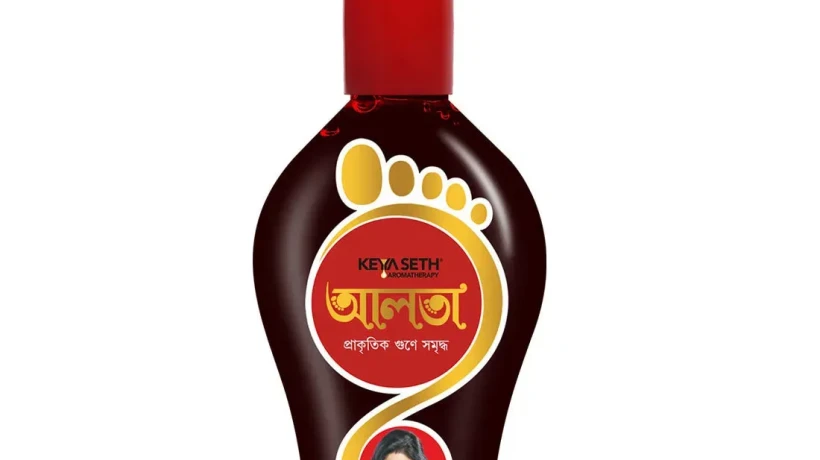
Alta Sindoor explained: meaning, symbolism, and traditional uses in Indian weddings, festivals, and cultural ceremonies.
Alta Sindoor is a striking red cosmetic deeply rooted in Indian cultural traditions. For generations, it has been used in rituals, festivals, and beauty practices, symbolizing prosperity, femininity, and marital devotion. While modern cosmetics have transformed beauty routines, Alta Sindoor continues to hold emotional and cultural importance, especially in regions like West Bengal, Odisha, and parts of North India.
In simple terms, Alta Sindoor refers to the traditional red dye (alta) used alongside sindoor during cultural ceremonies and rituals, often applied to the feet, hands, or hair parting as a mark of tradition and auspiciousness. It is more than just decoration; it represents heritage, identity, and spiritual symbolism.
This guide explores the cultural meaning of Alta Sindoor, its historical roots, traditional uses, and how it continues to play a role in modern celebrations.
What Is Alta Sindoor?
Alta Sindoor refers to the combination of two traditional red elements used in South Asian culture: alta, a red liquid dye applied to the feet and hands, and sindoor, a vermilion powder placed along the hair parting of married Hindu women.
Together, they symbolize beauty, marital commitment, and sacred rituals.
Definition of Alta
Alta is a bright red liquid dye traditionally made from natural ingredients. It is commonly applied to the feet and sometimes the hands of women during weddings, festivals, and classical dance performances.
In many cultural settings, alta represents grace, femininity, and celebration.
Definition of Sindoor
Sindoor is a red or orange powder applied by married Hindu women along the parting of their hair. It symbolizes marital status and the long life of the husband.
The tradition of wearing sindoor dates back thousands of years and is referenced in ancient Hindu scriptures.
Why Alta and Sindoor Are Often Associated
In many traditional ceremonies—especially Bengali weddings—alta and sindoor appear together because both represent auspiciousness, devotion, and feminine beauty. Their shared color, red, symbolizes power, prosperity, and fertility in Hindu culture.
The Historical Origins of Alta Sindoor
The use of Alta Sindoor can be traced back centuries, rooted in ancient rituals and cultural practices.
Ancient Cultural References
Historical texts and archaeological findings indicate that red pigments have been used in South Asian rituals for thousands of years. The color red is associated with Shakti, the divine feminine energy.
According to cultural studies from institutions like the Archaeological Survey of India, red ceremonial pigments were widely used in early Indian societies for religious rituals and symbolic decoration.
Influence of Regional Traditions
Alta is particularly prominent in eastern India, especially in West Bengal and Odisha. In these regions, women traditionally decorate their feet with alta during weddings and religious festivals.
The tradition became closely tied to sindoor rituals, especially during marriage ceremonies where both elements highlight the transition into married life.
Evolution Over Time
While older versions of alta were made using natural plant-based dyes, modern versions often use cosmetic-grade pigments. Despite these changes, the symbolism behind Alta Sindoor has remained largely unchanged.
It continues to represent auspicious beginnings, devotion, and celebration.
Cultural Meaning of Alta Sindoor
Alta Sindoor carries deep symbolic meaning in Indian traditions. The color red itself holds powerful associations in Hindu culture.
Symbol of Marriage and Commitment
Sindoor is one of the most visible symbols of marriage in Hindu society. When combined with alta during wedding rituals, it reinforces the idea of commitment and sacred union.
During traditional ceremonies, applying sindoor marks the moment when a woman becomes married.
Representation of Prosperity and Blessings
Red is believed to attract positive energy and prosperity. Alta applied to the feet symbolizes welcoming good fortune into the home.
In many households, the footprints created with alta are considered a sign of Goddess Lakshmi entering the home.
Connection to Feminine Energy
Red represents strength, fertility, and divine feminine power. Alta Sindoor is often associated with Goddess Durga and other forms of Shakti.
This symbolism connects women with spiritual energy and cultural heritage.
Traditional Uses of Alta Sindoor
Alta Sindoor is used in various ceremonies and cultural events throughout India.
Wedding Rituals
One of the most important uses of Alta Sindoor is during weddings.
In Bengali weddings, the bride's feet are decorated with alta before the ceremony begins. This is considered a preparation for sacred rituals.
The groom later applies sindoor to the bride's hair parting, symbolizing the start of married life.
Durga Puja Celebrations
Durga Puja is one of the biggest festivals in eastern India. During the final day of the festival, married women participate in Sindoor Khela, where they apply sindoor to each other as a blessing.
Many women also decorate their feet with alta during this celebration.
Classical Dance Performances
Alta is widely used in classical dance forms such as Odissi and Kathak.
Dancers apply alta to their feet and fingertips to highlight movements. The bright red color enhances the visual expression of dance gestures.
Religious Rituals and Ceremonies
Alta Sindoor is also used in household rituals, temple ceremonies, and festive occasions such as:
- Karva Chauth
- Teej
- Navratri
- Lakshmi Puja
These rituals emphasize prosperity, devotion, and family wellbeing.
How Alta Sindoor Is Applied
The application of Alta Sindoor varies depending on the ceremony or cultural tradition.
Applying Alta to the Feet
Alta is typically applied using a small brush or cotton swab.
The dye is placed around the edges of the feet and toes, creating decorative patterns.
In some traditions, it is applied in simple circular shapes or lines along the foot.
Applying Sindoor to the Hair Parting
Sindoor is applied along the maang, the central hair parting of the scalp.
Traditionally, the groom applies sindoor during the wedding ceremony. After marriage, women apply it daily or during religious events.
Modern Application Methods
Today, many cosmetic brands produce ready-to-use alta bottles with applicator brushes. Similarly, sindoor is available in sticks, powders, and liquid forms.
These modern versions make the tradition easier to maintain while preserving its cultural meaning.
Health and Safety Considerations
While Alta Sindoor is culturally significant, it is important to ensure safe cosmetic products are used.
Traditional Ingredients
Historically, alta was made using natural dyes derived from plants and minerals. These ingredients were generally safe for skin use.
Sindoor traditionally contained turmeric and lime to create the red pigment.
Modern Cosmetic Concerns
Some low-quality sindoor products have historically contained high levels of lead. Health organizations such as the World Health Organization have warned against cosmetics containing heavy metals.
Consumers should always choose products labeled lead-free and cosmetic-grade.
Safe Usage Tips
Choose trusted cosmetic brands.
Avoid products with strong chemical smells.
Test a small patch of skin before applying.
Store products in cool, dry conditions.
Cultural Significance Across Different Regions
Alta Sindoor traditions vary across India.
West Bengal
In West Bengal, alta is widely used during weddings and festivals. Brides traditionally decorate their feet with intricate alta designs.
Sindoor Khela during Durga Puja is one of the most recognizable cultural events associated with sindoor.
Odisha
In Odisha, alta is also commonly used in classical dance and bridal rituals.
The designs applied to the feet are often simple but elegant.
North India
Sindoor plays a more dominant role in North India, while alta is less commonly used outside weddings or special ceremonies.
Despite regional differences, the symbolism of red remains consistent across cultures.
Common Misconceptions About Alta Sindoor
Despite its popularity, there are several misunderstandings about Alta Sindoor.
Misconception 1: Alta and Mehndi Are the Same
Alta and mehndi serve different purposes.
Mehndi is a plant-based paste used to create intricate designs on the hands and feet. Alta is a liquid dye typically applied in simpler patterns.
Misconception 2: Sindoor Is Only Cosmetic
Sindoor is not merely makeup. It is deeply tied to religious and cultural beliefs about marriage and family wellbeing.
Misconception 3: Alta Is Only Used for Weddings
While weddings are the most famous use, alta is also widely used in festivals, dance, and religious ceremonies.
How Alta Sindoor Fits Into Modern Culture
Despite changing lifestyles, Alta Sindoor remains culturally relevant.
Revival Through Festivals
Cultural festivals such as Durga Puja and Navratri continue to preserve traditional practices.
Many younger generations participate in Sindoor Khela and bridal rituals to reconnect with heritage.
Influence on Fashion and Beauty
Fashion designers and makeup artists have reintroduced alta-inspired aesthetics in bridal fashion shoots and cultural events.
The bold red accents symbolize authenticity and tradition.
Social Media and Cultural Awareness
Platforms like Instagram and YouTube have helped showcase traditional bridal rituals, including alta application and sindoor ceremonies.
This digital visibility has helped younger audiences rediscover these traditions.
Frequently Asked Questions About Alta Sindoor
What is Alta Sindoor used for?
Alta Sindoor is used in cultural ceremonies, weddings, and festivals. Alta decorates the feet and hands, while sindoor symbolizes marriage and devotion.
Is Alta Sindoor only for married women?
Sindoor is traditionally worn by married women. Alta, however, can be worn by women of any age during festivals, dance performances, and celebrations.
Why is the color red important?
Red symbolizes prosperity, fertility, strength, and divine feminine energy in Hindu culture.
This is why most marriage rituals prominently feature red elements.
Can Alta Sindoor be used today?
Yes. Many people continue using Alta Sindoor during weddings, festivals, and classical dance events. Modern cosmetic products have made the tradition easier to maintain safely.
How to Preserve and Respect This Tradition
Cultural traditions thrive when they are practiced thoughtfully.
Families can preserve Alta Sindoor customs by teaching younger generations about their meaning rather than treating them as mere rituals.
Participating in festivals, supporting traditional artisans, and choosing safe cosmetic products are simple ways to keep the tradition alive.
Understanding the cultural story behind Alta Sindoor helps ensure it remains meaningful rather than symbolic decoration.
Conclusion
Alta Sindoor is far more than a cosmetic tradition. It represents centuries of cultural heritage, spiritual symbolism, and celebration of femininity. From wedding ceremonies to classical dance performances, the vibrant red of alta and sindoor continues to reflect prosperity, devotion, and cultural identity.
As traditions evolve with modern lifestyles, Alta Sindoor remains a beautiful bridge between the past and present. By understanding its meaning and practicing it respectfully, individuals can keep this timeless cultural expression alive for future generations.
If you enjoyed learning about Alta Sindoor and its traditions, consider exploring more guides on Indian cultural rituals, bridal traditions, and festival practices. You can also share this article with friends or leave a comment to continue the conversation about preserving meaningful cultural heritage.


Comments
Login to Comment