AI-Powered Audit Solutions for Auditing Professionals
18 Aug, 2026
598 Views 0 Like(s)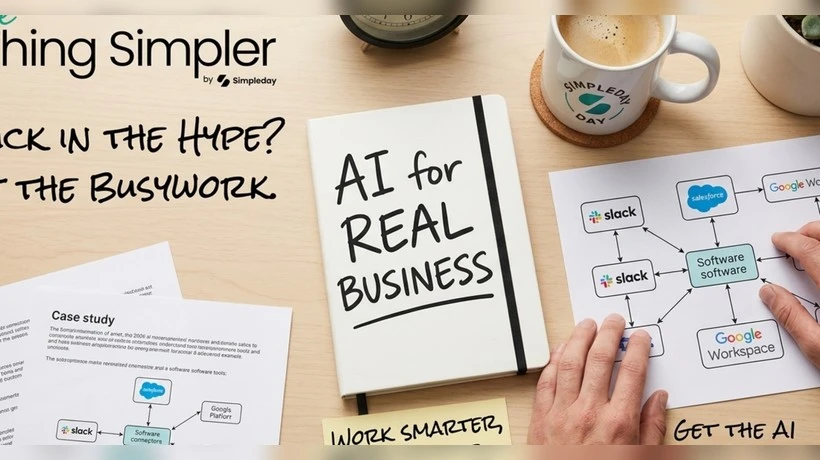
This guest post explains how businesses can identify technology gaps, reduce repetitive processes, and create a practical path toward AI adoption. It covers the role of an ai audit, workflow analysis, tool integration, and ai agent development, with practical examples of sales, finance, project, and leadership agents that can support everyday operations without unnecessary technology changes.
In this blog post, we read about how small businesses can use AI audit and AI agent development to reduce repetitive work, connect disconnected tools, improve decision making, and create more efficient business operations without adding unnecessary complexity.
Why Businesses Need a Smarter AI Strategy?
Many businesses rely on several platforms for sales, accounting, communication, project management, marketing, reporting, and file storage. Each platform may work well independently, but disconnected systems can create unnecessary manual work and scattered information.
An AI audit helps businesses review their existing tools and workflows before investing in new technology. Instead of adding another platform, companies can identify where current systems overlap, where information gets trapped, and which processes could benefit most from automation.
What an AI Audit Can Reveal?
An effective audit looks beyond the software a company owns. It examines how employees actually complete their daily responsibilities and how information moves between departments.
The process can identify:
- Repetitive administrative tasks
- Manual data entry between platforms
- Unused or overlapping software features
- Delayed customer follow ups
- Reporting processes that consume valuable time
- Data that remains separated across systems
- Workflows where AI could reduce repetitive effort
This creates a clearer picture of where technology can provide practical value instead of encouraging businesses to adopt tools simply because they are popular.
How an AI Audit Supports Better Decisions?
Choosing AI without understanding current operations can lead to wasted spending. A business might purchase software that duplicates an existing capability or automate a process that is not actually causing a significant problem.
An AI audit creates a prioritized roadmap by considering business impact, workflow complexity, available data, implementation requirements, and potential efficiency gains. This allows leaders to focus first on opportunities that can make a meaningful difference.
Turning Audit Findings Into Action
An audit becomes more valuable when its findings lead to practical improvements. Once important workflow gaps are identified, businesses can decide whether they need better integrations, process changes, automation, or custom AI solutions.
A useful roadmap should explain what needs attention first, why the change matters, what systems are involved, and how implementation can be approached. This makes AI adoption easier to manage and easier for teams to understand.
Where AI Agent Development Fits?
AI agent development takes automation a step further by creating specialized digital workers designed around particular business responsibilities. Rather than asking one general AI system to handle everything, companies can create focused agents for clearly defined jobs.
An agent may analyze sales conversations, organize information, monitor budgets, prepare reports, review documents, or identify important follow ups. The objective is not simply to add AI but to make specific workflows more consistent and manageable.
Practical Examples of AI Agents
Custom agents can support different areas of an organization when they are connected to appropriate systems and given clearly defined responsibilities.
For example, an agent could:
- Analyze sales conversations and identify opportunities that appear more likely to close.
- Review customer conversations to identify recurring objections and communication patterns.
- Track commitments from meetings, emails, and team communication and highlight overdue actions.
- Compare accounting information with CRM records and flag discrepancies for review.
- Review contracts against project delivery information and identify possible scope issues.
- Monitor project budgets and alert teams when spending approaches defined limits.
- Turn leadership meeting notes into concise weekly updates.
- Analyze support requests to identify recurring problems consuming significant team time.
Each example focuses on a specific responsibility rather than attempting to replace an entire department. This makes implementation easier to evaluate and gives businesses a measurable purpose for the technology.
Why Custom Agents Can Be More Useful?
Off the shelf software is designed for broad audiences. Businesses, however, often have processes that are unique to their industry, team structure, customers, and internal systems.
Custom AI agent development can account for those differences. An agent can be designed around existing tools, business rules, information sources, approval requirements, and reporting preferences. This creates an automation approach that fits the organization rather than forcing employees to completely change how they work.
Building AI Around Existing Tools
A successful AI strategy does not always require replacing the technology a business already uses. In many cases, the better approach is to connect existing platforms and improve the way information moves between them.
An audit can determine which systems should remain, which integrations are needed, and where AI can provide additional support. This can reduce unnecessary software changes while helping teams gain more value from technology they already understand.
Keeping Humans in Control
Automation should support human decision making where judgment, approval, security, or sensitive information is involved. AI agents can prepare information, identify patterns, create recommendations, and complete defined actions, while employees maintain oversight where appropriate.
Clear permissions, review steps, reliable data sources, and defined responsibilities help businesses use AI responsibly. The goal is not automation at any cost. It is creating dependable workflows where technology handles suitable tasks and people remain responsible for important decisions.
Final Thoughts
AI becomes more useful when it solves a clearly defined business problem. An AI audit can reveal where time, information, and efficiency are being lost, while AI agent development can turn suitable opportunities into focused digital workflows.
For businesses considering their next step, the priority should be clarity rather than adding more technology. Understanding current processes first can create a stronger foundation for automation, better integration, and sustainable growth. One Thing Simpler offers a practical approach for businesses looking to make AI work around their real operations.
Frequently Asked Questions
What does an AI audit include?
An AI audit can review existing software, workflows, data movement, repetitive tasks, integrations, and business processes. The findings can then be organized into practical opportunities based on business priorities and expected value.
When should a business consider AI agent development?
Businesses should consider AI agent development when recurring tasks require significant manual effort and follow a clearly defined process. Suitable examples include reporting, data comparison, document review, monitoring, research, and follow up management.
Can AI agents work with existing business software?
Yes. Depending on available integrations and technical capabilities, custom agents can work with existing CRM, accounting, project management, communication, document, and reporting systems rather than requiring businesses to replace everything.
Is an AI audit useful for a small business?
Yes. Smaller teams often have limited time and resources, making it particularly important to prioritize technology investments. An audit can help identify the workflows where improvements could have the greatest practical effect.
How can One Thing Simpler help with AI adoption?
One Thing Simpler focuses on understanding existing business workflows, identifying useful AI opportunities, and creating practical strategies or custom agents around the way a company already operates. This approach helps businesses move from scattered experimentation toward purposeful AI adoption.



Comments
Login to Comment