ACSR Conductor: How to Choose the Right High-Performance Transmission Solution for Modern Power Grids
03 Jun, 2026
1500 Views 0 Like(s)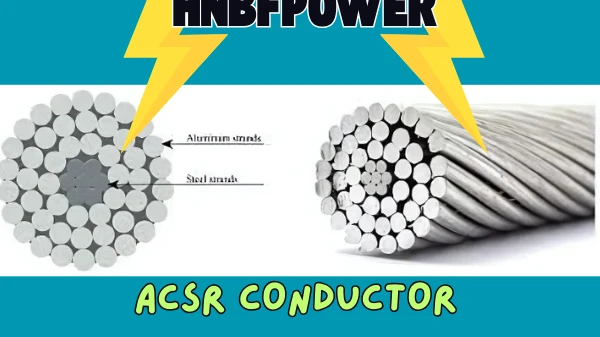
ACSR conductors helping you make informed, project-ready decisions.
As global energy demand continues to rise and grid infrastructure expands, utilities and EPC contractors face increasing pressure to select conductors that deliver strength, reliability, and long-term cost efficiency. One of the most widely adopted solutions in overhead transmission systems is the ACSR conductor (Aluminum Conductor Steel Reinforced).
Engineers and procurement teams often struggle with selecting the right conductor that balances mechanical strength, conductivity, and environmental durability. This guide provides a comprehensive, technically grounded overview of ACSR conductors helping you make informed, project-ready decisions.
What Is an ACSR Conductor?
An ACSR conductor is a composite overhead transmission conductor consisting of:
- Outer layers of aluminum strands for high electrical conductivity
- A central steel core for enhanced tensile strength
This hybrid design makes ACSR one of the most efficient conductors for long-span transmission lines and high-load applications.
Key Structural Characteristics
- Stranded construction for flexibility and mechanical resilience
- Galvanized steel core to resist corrosion
- Variable aluminum-to-steel ratios depending on application requirements
Why ACSR Conductors Dominate Power Transmission Projects
1. High Tensile Strength for Long Spans
The steel core provides exceptional mechanical strength, making ACSR ideal for:
- River crossings
- Mountainous terrain
- Long-distance transmission lines
This reduces the need for additional support structures, lowering overall project costs.
2. Excellent Conductivity
The aluminum strands ensure efficient current flow, minimizing transmission losses and improving overall grid efficiency.
3. Cost-Effective Performance
Compared to alternative conductors, ACSR offers:
- Lower initial investment
- Reduced maintenance costs
- Long service life
This makes it a preferred choice for utilities operating under budget constraints.
4. Proven Reliability in Harsh Environments
ACSR conductors perform well under:
- High wind loads
- Ice accumulation
- Extreme temperatures
This reliability is critical for ensuring uninterrupted power supply.
Common Types of ACSR Conductors
ACSR conductors are categorized based on their stranding configuration and aluminum-to-steel ratio.
Standard ACSR Types
- 6/1 Configuration – Lightweight applications
- 12/7 Configuration – Balanced strength and conductivity
- 24/7 or 26/7 Configuration – Heavy-duty transmission
Popular Code Names
Engineers often refer to ACSR conductors by industry-standard names such as:
- Drake
- Panther
- Zebra
- Moose
Each type is designed for specific load and span requirements.
Key Technical Parameters to Consider
Selecting the right ACSR conductor requires careful evaluation of technical specifications.
Electrical Properties
- Current carrying capacity (ampacity)
- Resistance per kilometer
- Operating temperature limits
Mechanical Properties
- Ultimate tensile strength (UTS)
- Weight per unit length
- Sag and tension characteristics
Environmental Factors
- Corrosion resistance
- Wind and ice loading conditions
- Altitude and temperature variations
Procurement teams should align these parameters with project specifications to ensure optimal performance.
ACSR vs Other Conductors: A Practical Comparison
ACSR vs AAAC
| Feature | ACSR | AAAC |
|---|---|---|
| Strength | High (steel core) | Moderate |
| Conductivity | High | Slightly higher |
| Weight | Heavier | Lighter |
| Corrosion Resistance | Moderate | Better |
Conclusion: ACSR is preferred for high-strength applications, while AAAC is better for corrosion-prone environments.
ACSR vs AAC
| Feature | ACSR | AAC |
|---|---|---|
| Strength | Very high | Low |
| Span Capability | Long | Short |
| Cost Efficiency | Better for large projects | Suitable for short दूरी |
Conclusion: ACSR is ideal for transmission, while AAC is used mainly in distribution networks.
Applications of ACSR Conductors
ACSR conductors are widely used across various power transmission and distribution projects.
Primary Applications
- High-voltage transmission lines
- Rural electrification projects
- Substation connections
- Industrial power supply systems
Specialized Use Cases
- Coastal areas (with proper corrosion protection)
- High-wind zones
- Long-span river crossings
Installation and Maintenance Considerations
Installation Best Practices
- Use proper tensioning equipment to avoid conductor damage
- Ensure correct sag calculations for temperature variations
- Follow standard stringing procedures
Maintenance Guidelines
- Regular visual inspection for corrosion or strand damage
- Monitor sag and tension over time
- Replace damaged sections promptly
Proper installation and maintenance significantly extend the lifespan of ACSR conductors.
Why Choose HNBF Power for ACSR Conductors?
HNBF Power stands out as a global manufacturer specializing in overhead conductors and power cable solutions for utilities and EPC contractors.
Key Advantages
- Advanced manufacturing processes ensuring consistent quality
- Compliance with international standards
- Customizable conductor designs based on project requirements
- Reliable supply chain for large-scale infrastructure projects
Whether you are working on transmission expansion or grid modernization, HNBF Power delivers solutions tailored to your technical and commercial needs.
Market Trends Driving ACSR Demand
The demand for ACSR conductors continues to grow due to:
- Expansion of renewable energy projects
- Increasing cross-border transmission networks
- Upgrading aging grid infrastructure
- Rising demand in developing economies
Engineers and procurement professionals are prioritizing conductors that offer durability, efficiency, and scalability—making ACSR a long-term solution.
FAQs About ACSR Conductors
1. What does ACSR stand for?
ACSR stands for Aluminum Conductor Steel Reinforced, indicating its composite structure of aluminum strands around a steel core.
2. Where are ACSR conductors mainly used?
They are primarily used in overhead transmission lines, especially for long-distance and high-load applications.
3. How does the steel core improve performance?
The steel core provides high tensile strength, allowing the conductor to span long distances without excessive sag.
4. Are ACSR conductors suitable for coastal areas?
Yes, but they require proper corrosion protection, such as grease-filled or coated steel cores.
5. How do I select the right ACSR conductor size?
Selection depends on:
- Load requirements
- Span length
- Environmental conditions
- Mechanical strength needs
Consulting with an experienced manufacturer ensures accurate selection.
Conclusion
ACSR conductors remain a cornerstone of modern power transmission systems due to their unmatched combination of strength, efficiency, and cost-effectiveness. For engineers and procurement teams, selecting the right conductor is critical to ensuring project success and long-term grid reliability.
Get Customized ACSR Solutions from HNBF Power
If you are planning a transmission or distribution project and need reliable, high-performance ACSR conductors, HNBF Power is ready to support you. Contact their team today to discuss your technical requirements and get a customized solution tailored to your project needs.
Disclaimer: ThynkTales is a public blogging platform where content is contributed by individual users. While we encourage thoughtful and accurate sharing, we do not independently verify the information provided. Readers are advised to use their discretion and verify any information before relying on it.



Comments
Login to Comment