Acne Antibiotics: Uses and Limitations
15 Oct, 2026
7 Views 0 Like(s)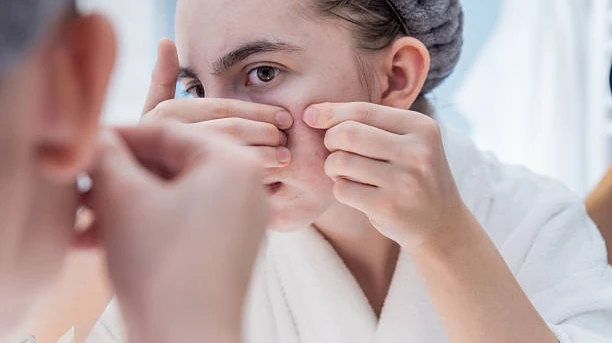
Acne is a common skin condition that affects people of different ages and can lead to inflamed pimples, redness, clogged pores, and persistent breakouts.
While mild acne may respond to a consistent skincare routine and topical products, moderate to severe acne sometimes requires medical treatment. Antibiotics are among the treatments used to control acne-causing bacteria and reduce inflammation. Understanding how they work, when they are appropriate, and what limitations they have can help you make informed decisions about your skin health.
For individuals exploring pimples treatment in riyadh, understanding the role of antibiotics is an important step toward choosing a suitable skincare approach. Although antibiotics can improve certain types of acne, they are not appropriate for every breakout and should only be used under professional guidance. A personalized treatment plan can help address existing blemishes, reduce the risk of new breakouts, and support healthier-looking skin over time.
What Are Acne Antibiotics?
Acne antibiotics are medications used to reduce inflammation and, in some cases, limit the growth of bacteria associated with acne. They are generally recommended for inflammatory acne, which may appear as red bumps, pus-filled pimples, and tender lesions.
Antibiotics are available in topical forms, such as creams, gels, and lotions, as well as oral medications. The appropriate option depends on the severity of the acne, the affected areas, the person's medical history, and how the skin responds to previous treatments.
How Do Antibiotics Help Treat Acne?
Reducing Acne-Causing Bacteria
Certain bacteria, particularly Cutibacterium acnes, contribute to the development of inflammatory acne. Some antibiotics help control these bacteria, reducing one factor involved in the formation of inflamed blemishes.
Calming Inflammation
Antibiotics may also help reduce inflammation around blocked hair follicles. This can make red, swollen, and painful pimples less noticeable as treatment progresses.
Improving Moderate to Severe Breakouts
When acne affects larger areas of the face, chest, or back, a healthcare professional may recommend antibiotics as part of a broader treatment plan. Oral antibiotics may be considered when topical products alone do not provide sufficient improvement.
Types of Antibiotics Used for Acne
Topical Antibiotics
Topical antibiotics, including clindamycin, are applied directly to acne-prone skin. They may be useful for inflammatory breakouts and are often combined with other acne treatments. Benzoyl peroxide is commonly recommended alongside topical antibiotics to help reduce antibiotic resistance.
Oral Antibiotics
Oral medications, such as doxycycline, may be prescribed for moderate to severe inflammatory acne. They work throughout the body and can help control widespread breakouts. These medications require medical supervision because they may cause side effects and are unsuitable for certain individuals.
The choice of antibiotic should always be based on a professional assessment rather than self-diagnosis or advice from unverified sources.
What Are the Limitations of Acne Antibiotics?
Antibiotics Do Not Address Every Cause of Acne
Acne can develop because of excess oil production, clogged pores, hormonal changes, inflammation, and genetic factors. Antibiotics do not directly address every one of these causes. For this reason, they are often combined with treatments such as topical retinoids or benzoyl peroxide.
Antibiotic Resistance
One of the most important limitations is antibiotic resistance. When antibiotics are used unnecessarily, for too long, or without appropriate complementary treatment, bacteria can become less responsive to them. Healthcare professionals therefore aim to limit antibiotic use to situations where it is appropriate and effective.
Possible Side Effects
Topical antibiotics may cause dryness, irritation, or redness. Oral antibiotics can cause digestive discomfort, increased sensitivity to sunlight, and other medication-specific side effects. Some antibiotics are unsuitable during pregnancy or for people with particular health conditions.
Acne May Return After Treatment
Antibiotics can improve inflammatory acne, but they do not guarantee permanent results. Breakouts may return after treatment ends, especially if the underlying causes remain. A maintenance routine can help manage acne over the long term.
How to Use Acne Antibiotics Responsibly
Antibiotics should only be used according to a qualified healthcare professional's instructions. Avoid using leftover medication, sharing prescriptions, or extending treatment without medical advice.
A comprehensive skincare routine can support treatment. Gentle cleansing, non-comedogenic moisturizers, and suitable sun protection may help maintain the skin barrier. A professional may also recommend non-antibiotic treatments to control clogged pores and reduce the likelihood of recurring breakouts.
For people seeking Acne Treatment in Riyadh, a personalized assessment can help determine whether antibiotics are appropriate or whether alternative treatments may better suit their skin type and acne severity.
Frequently Asked Questions
Can antibiotics completely cure acne?
Antibiotics can reduce inflammatory acne, but they do not guarantee a permanent cure. Long-term management may require additional topical treatments and a consistent skincare routine.
How long does acne antibiotic treatment take to work?
Improvement often begins after several weeks, although the response varies between individuals. A healthcare professional can assess progress and determine whether the treatment should be adjusted.
Are topical antibiotics safer than oral antibiotics?
Topical antibiotics generally have fewer whole-body effects, but they can still cause irritation and contribute to antibiotic resistance. Both forms should be used appropriately under professional guidance.
Can I use acne antibiotics every day?
The recommended frequency depends on the medication and your treatment plan. Follow the prescribed instructions and do not increase or extend use without consulting your healthcare professional.
What can I use if antibiotics are not suitable for my acne?
Depending on your skin condition, alternatives may include benzoyl peroxide, topical retinoids, azelaic acid, or other medically supervised treatments. The best option depends on your individual needs.
Consult Enfield Royal Clinic
If persistent breakouts, inflamed pimples, or recurring acne are affecting your confidence, professional guidance can help you understand your options. Enfield Royal Clinic can be a starting point for exploring an individualized skincare approach based on your concerns and skin condition. Arrange a consultation to discuss suitable acne management options and learn how to maintain healthier-looking skin with an appropriate treatment plan.

Comments
Login to Comment