AC Compressor Not Working? Common Causes and Troubleshooting Tips
13 Jun, 2026
1371 Views 0 Like(s)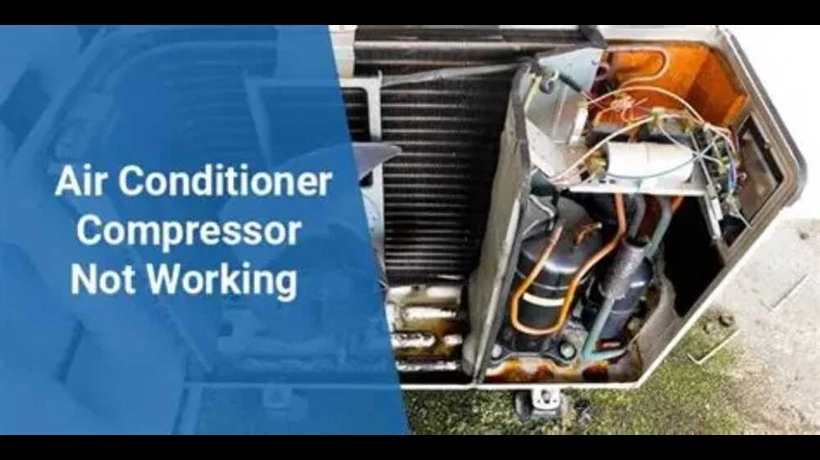
An air conditioning system relies heavily on the compressor to keep indoor spaces cool and comfortable. Often referred to as the heart of the AC unit, the compressor circulates refrigerant through the system and enables
An air conditioning system relies heavily on the compressor to keep indoor spaces cool and comfortable. Often referred to as the heart of the AC unit, the compressor circulates refrigerant through the system and enables the cooling cycle to function properly. When the compressor stops working, the entire air conditioning system can lose its ability to deliver cool air.
Understanding the common causes of compressor failure and knowing some basic troubleshooting steps can help homeowners and building managers identify problems early and prevent costly repairs.
What Does an AC Compressor Do?
The compressor is responsible for pressurizing refrigerant and moving it between the evaporator and condenser coils. This process allows heat to be absorbed from inside the building and released outdoors.
Without a properly functioning compressor, the air conditioner cannot effectively cool the space, even if the fan and other components are operating normally.
Signs of a Faulty AC Compressor
Several warning signs may indicate that your AC compressor is experiencing problems:
- Warm air blowing from the vents
- Reduced cooling performance
- Strange noises coming from the outdoor unit
- Frequent circuit breaker trips
- Outdoor unit vibrating excessively
- Difficulty starting the system
- Higher electricity bills
- AC unit shutting down unexpectedly
Ignoring these symptoms can lead to more serious damage and expensive repairs.
Common Causes of AC Compressor Failure
1. Dirty Condenser Coils
Condenser coils release heat from the refrigerant to the outside air. Over time, dirt, dust, leaves, and debris can accumulate on the coils, reducing heat transfer efficiency.
When the coils become clogged, the compressor must work harder to maintain cooling performance. Excessive strain may eventually cause overheating and compressor failure.
Troubleshooting Tip
Inspect the outdoor unit regularly and clean the condenser coils using a soft brush or low-pressure water spray. Keep vegetation and debris away from the unit to ensure proper airflow.
2. Refrigerant Leaks
Low refrigerant levels caused by leaks can negatively affect compressor operation. Insufficient refrigerant forces the compressor to work continuously, leading to overheating and premature wear.
Common signs of refrigerant leaks include:
- Weak cooling performance
- Ice formation on refrigerant lines
- Hissing sounds
- Longer cooling cycles
Troubleshooting Tip
Because refrigerant handling requires specialized equipment, contact a licensed HVAC technician to locate and repair leaks and recharge the system.
3. Electrical Problems
Electrical issues are among the most common reasons why an AC compressor fails to start. Problems may include:
- Faulty wiring
- Burned terminals
- Loose connections
- Damaged contactors
- Failed capacitors
Power fluctuations and voltage imbalances can also damage the compressor motor.
Troubleshooting Tip
Check the circuit breaker and ensure it has not tripped. If the breaker trips repeatedly, avoid resetting it multiple times and seek professional assistance, as repeated tripping may indicate a serious electrical issue.
4. Failed Capacitor
The capacitor provides the electrical boost needed to start and run the compressor. A weak or failed capacitor may prevent the compressor from operating correctly.
Symptoms include:
- Clicking sounds
- Humming noises
- Compressor not starting
- Intermittent operation
Troubleshooting Tip
Capacitors store electrical energy and should only be replaced by qualified technicians. Attempting repairs without proper training can be dangerous.
5. Clogged Air Filters
Although air filters are located indoors, they play an important role in maintaining overall system performance. Dirty filters restrict airflow and force the air conditioning system to work harder.
Over time, increased strain can contribute to compressor overheating and reduced efficiency.
Troubleshooting Tip
Replace or clean air filters every one to three months, depending on usage and indoor air quality conditions.
6. Overheating
Several factors can cause compressor overheating, including:
- Dirty coils
- Refrigerant issues
- Poor ventilation
- High outdoor temperatures
- Electrical faults
Excessive heat can damage internal components and shorten the lifespan of the compressor.
Troubleshooting Tip
Ensure the outdoor unit has adequate airflow and is not blocked by plants, fences, or stored items.
7. Age and Wear
Like any mechanical component, compressors have a limited service life. Most residential air conditioning systems last between 10 and 15 years with proper maintenance.
As components age, efficiency declines and the likelihood of breakdown increases.
Troubleshooting Tip
If the compressor is nearing the end of its expected lifespan, replacing the entire AC system may be more cost-effective than repeated repairs.
Basic Troubleshooting Steps
Before calling an HVAC professional, consider these simple checks:
Verify Thermostat Settings
Ensure the thermostat is set to "Cool" and the temperature setting is lower than the current room temperature. Weak batteries in programmable thermostats can also cause system malfunctions.
Check the Circuit Breaker
Inspect the electrical panel to determine whether the breaker for the air conditioner has tripped. Reset it once if necessary.
Inspect the Outdoor Unit
Look for visible debris, leaves, or obstructions around the condenser unit. Proper airflow is essential for compressor operation.
Replace Dirty Filters
A clogged air filter can significantly reduce system efficiency. Replacing the filter is one of the easiest and most affordable maintenance tasks.
Listen for Unusual Sounds
Grinding, rattling, humming, or clicking noises may indicate mechanical or electrical problems that require professional attention.
Preventing Future Compressor Problems
Routine maintenance is the key to extending compressor life and improving energy efficiency. Preventive measures include:
- Cleaning condenser coils regularly
- Replacing air filters on schedule
- Keeping the outdoor unit free from debris
- Scheduling annual HVAC inspections
- Addressing refrigerant leaks promptly
- Monitoring unusual sounds or performance changes
Regular servicing helps detect minor issues before they develop into major system failures.
Conclusion
A malfunctioning AC compressor can quickly turn a comfortable environment into an uncomfortable one. Fortunately, many compressor problems stem from issues such as dirty coils, refrigerant leaks, electrical faults, clogged filters, and normal wear.
Recognizing the warning signs and performing basic troubleshooting can help minimize downtime and reduce repair costs. However, because compressors involve high-voltage electrical components and refrigerant systems, professional HVAC service is often the safest and most effective solution.
With proper maintenance and timely repairs, an air conditioning compressor can provide years of reliable and efficient cooling performance.
Article post by: https://acjakarta.com

Comments
Login to Comment