A shocking revelation: how tiny plastic particles are warming the Earth
07 May, 2026
1799 Views 0 Like(s)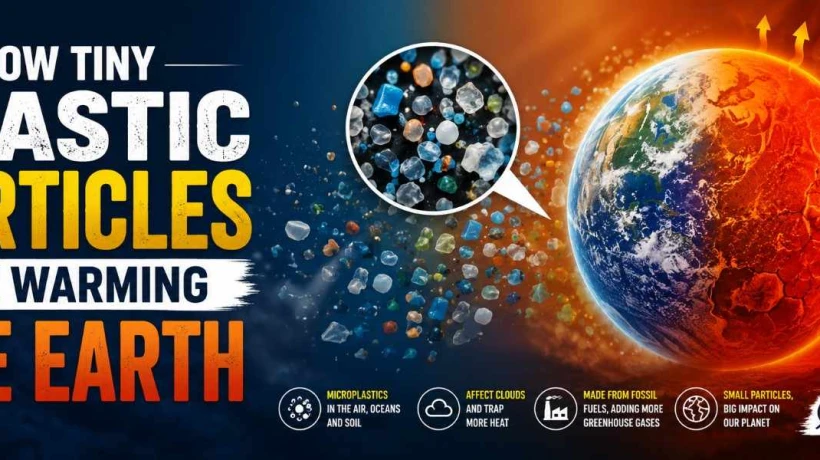
A shocking revelation: how tiny plastic particles are warming the Earth
Plastic pollution has long been viewed as a major environmental threat to oceans, wildlife, and human health. However, scientists are now uncovering another alarming impact of plastic waste — tiny plastic particles known as microplastics may also be contributing to global warming. This shocking revelation is changing the way researchers understand climate change and pollution.
Microplastics are extremely small plastic fragments, usually less than 5 millimeters in size. They are created when larger plastic items such as bottles, bags, packaging materials, and synthetic clothing break down over time. These particles are now found almost everywhere on Earth — in oceans, rivers, soil, mountains, rainwater, and even inside the human body.
Until recently, most discussions around microplastics focused on their impact on marine life and public health. But new studies suggest that these particles are also affecting the planet’s climate system in unexpected ways.
How microplastics enter the atmosphere
One of the biggest discoveries is that microplastics can travel through the air. Tiny particles from tires, synthetic fabrics, industrial waste, and degraded plastic materials become airborne and move across long distances through wind currents. Scientists have detected microplastics in remote places like the Arctic, Antarctica, and high mountain ranges.
Once in the atmosphere, these particles interact with sunlight and clouds. Researchers believe that microplastics may influence how much heat the Earth absorbs or reflects. Some particles can trap heat in the atmosphere, much like greenhouse gases do. Others may interfere with cloud formation, which can alter weather patterns and temperature regulation.
This means plastic pollution is no longer just a waste-management issue — it is becoming a climate issue as well.
The connection between plastics and fossil fuels
Another major reason plastics contribute to global warming is their origin. Most plastics are made from fossil fuels such as oil and natural gas. From production to disposal, plastics generate massive amounts of greenhouse gas emissions.
According to environmental experts, the plastic industry releases billions of tons of carbon emissions every year. Factories producing plastic products consume huge amounts of energy, often powered by coal, oil, or gas. As global plastic demand continues to rise, emissions from the industry are also expected to increase sharply.
Microplastics worsen the problem because they do not disappear completely. Instead, they continue breaking into smaller particles while releasing greenhouse gases like methane and ethylene when exposed to sunlight. Scientists have observed that plastic waste sitting in landfills, oceans, or beaches can emit these gases continuously over time.
Even tiny amounts released from billions of plastic particles across the planet can collectively have a serious impact on global warming.
Impact on oceans and climate balance
The oceans play a critical role in controlling Earth’s temperature by absorbing carbon dioxide and excess heat. But microplastics are now disrupting marine ecosystems that help regulate the climate.
Phytoplankton — microscopic organisms in the ocean — absorb large amounts of carbon dioxide through photosynthesis. They are considered one of the planet’s natural climate regulators. However, studies show that microplastics can harm these organisms, reducing their ability to absorb carbon effectively.
When marine ecosystems weaken, the ocean’s ability to fight climate change also declines. Scientists warn that this could create a dangerous cycle where increasing plastic pollution accelerates global warming, which in turn further damages ecosystems.
Human health concerns add to the crisis
Researchers have already found microplastics in drinking water, seafood, salt, human blood, lungs, and even the placenta. While scientists are still studying the long-term health effects, there is growing concern that constant exposure to microplastics may increase inflammation, hormone disruption, and respiratory issues.
The combination of climate change and plastic pollution could create a double environmental crisis for future generations. Heatwaves, rising sea levels, extreme weather events, and pollution-related health problems may become even more severe if plastic waste continues to grow unchecked.
What can be done?
Experts say reducing plastic production is essential to tackling both pollution and climate change. Governments, industries, and consumers all have a role to play.
Some important solutions include:
- Reducing single-use plastics
- Promoting recycling and reusable materials
- Developing biodegradable alternatives
- Improving waste management systems
- Supporting global agreements to reduce plastic pollution
- Encouraging sustainable consumer habits
Scientists also stress the need for more research into how microplastics affect the atmosphere and climate systems. Understanding the full impact of these particles could help governments create stronger environmental policies.
A wake-up call for the world
The discovery that tiny plastic particles may be warming the Earth is a powerful reminder that environmental problems are deeply connected. Plastic pollution is not only choking oceans and harming wildlife — it may also be intensifying the climate crisis in ways humanity never expected.
As researchers continue to study the hidden effects of microplastics, one message is becoming increasingly clear: solving the plastic problem is no longer optional. It is now a critical part of protecting the planet’s future.



Comments
Login to Comment