A New Face Without a New Façade: The Future of Surface Restoration
04 Sep, 2026
394 Views 0 Like(s)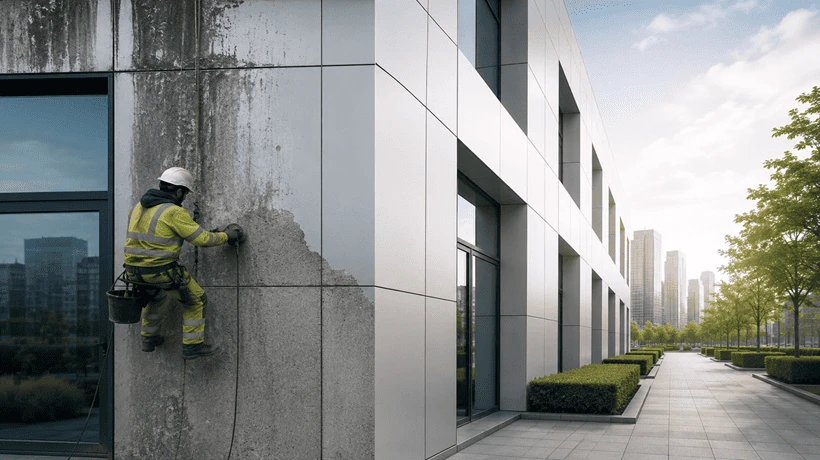
Discover the innovative techniques in surface restoration that promise a fresh look without the need for a complete overhaul. Transform your space today.
What if this tired commercial façade could still look refreshed, not fully swapped out? Like, what if those scratches, fading marks, general surface wear, or a bit of small glass damage could be dealt with without dragging everyone into a huge construction cycle
It’s these exact questions that are pushing more and more attention toward surface restoration. Rather than defaulting to remove and replace architectural finishes, more businesses are now looking at specialist repair and refinishing methods that help extend the life of what’s already there.
From shopfront recoating and anodised repairs to onsite glass repair and glass spraying, modern restoration approaches give practical ways to give commercial spaces a new lease on life while still keeping the existing structure in place.
But honestly, what does the future of surface restoration actually look like?
Why Is Surface Restoration Becoming More Important?
Commercial buildings take a daily beating, not just from weather, but also from pollution, frequent cleaning, small impacts, and heavy foot traffic. Eventually, even well-made materials can start looking worn out or slightly neglected.
Historically, the “fix” might have been to simply swap the affected component. Yet replacement isn’t always necessary or even sensible.
Taking off an entire façade, or removing an architectural finish, can mean serious labour, extra materials, transport demands, more waste, and a period of disruption to normal business. Restoration becomes a real alternative when the base material is still sound and can continue doing its job.
So the goal stays pretty simple: repair, refresh, and restore wherever possible, instead of replacing just because it feels easier.
How Can Shop Front Recoating Give a Store a Fresh Appearance?
A shopfront is one of the first things customers notice, and honestly it can set the tone right away. When the surface shows faded coatings, small scratches, discolouration, or other surface flaws, even a good business can feel a bit less polished than it really is.
By putting a fresh finish over what’s already there, shop front recoating can restore that visual appeal on the right surfaces. Now the real method is going to vary depending on things like the material itself, the current coating, the overall condition, the colour in use, and the final result you’re aiming for.
When it’s done properly, shop front recoating can make the whole look and feel more even and uniform, without having to remove the entire shopfront. That’s a big deal for many places.
For businesses working in busy retail areas, this option can feel especially appealing, because the reconditioning side of it may reduce disruption compared with full replacement work, which tends to drag on and disrupt foot traffic more.
Can Anodised Repairs Restore Damaged Aluminium?
Yes, anodised repairs can help restore damaged aluminium, but it really depends. Anodised aluminium is commonly used in shops, offices, and architectural work, mainly because it stays tough and has that clear, distinctive surface. Still, even with anodising, it can suffer from scratches, scuffs, marks, staining, and other small or not-so-small problems over time.
So, this is where anodised repairs actually step in, like a practical fix for localised blemishes. A specialist approach is usually used to treat only the affected zone, not the whole item. The aim is to have the repaired patch blend back in with the original finish, or at least get close enough so it doesn’t feel obvious.
What you end up with can vary a lot, because the result is tied to things like the original anodised type, how serious or wide the damage is, the colour of that coating, the feel or texture of the surface, and even where the area sits on the aluminium part. A flat face might behave differently to a corner or recessed section.
One of the main benefits of anodised repairs to an existing feature is that you keep the original installation in place. If you replace a section entirely, it can be hard to match everything perfectly, especially since nearby areas often age, weather, and subtly change shade over the years. Even if the new piece looks right at first, the surrounding context might not.
Because of that, a carefully matched repair can be a sensible choice, rather than replacing something that would be excessive, and in many cases it helps keep the overall look consistent.
What Makes Onsite Glass Repair a Practical Solution?
Glass is an essential feature of modern commercial architecture, appearing in doors, windows, partitions, façades, shopfronts, and display areas.
Minor scratches and surface damage can be frustrating, particularly when the glass itself remains structurally sound. In suitable situations, onsite glass repair can address surface imperfections without removing the entire glass panel.
One of the key benefits of onsite glass repair is convenience. Rather than transporting a large or difficult-to-remove glass panel elsewhere, specialist technicians can potentially carry out appropriate repair work at the property.
This can help reduce downtime and disruption, which is particularly important for shops, offices, hotels, restaurants, and other businesses that need to remain operational.
However, safety always comes first. Severely cracked, structurally compromised, or otherwise unsafe glass may require replacement rather than repair. Professional assessment is essential.
What Is Glass Spraying Used For?
Glass doesn’t always need to stay fully transparent, and this is the reason glass spraying is changing how people think about architectural finishes. In newer interiors and in commercial spaces, companies often want something extra, like colour, more privacy, tighter branding, or just a particular visual effect that feels right for the room.
With glass spraying, you can alter how suitable glass surfaces look, using specialist coating applications, not just a basic treatment or film.
And depending on what system is used, plus how it gets applied, sprayed finishes can come with a whole range of tones, deeper shades, and distinct visual effects. That’s why it’s handy for interior partitions, ornamental features, doors, retail environments, and other architectural uses that need a more tailored result.
There’s also a design consistency angle. Rather than swapping out the existing glass for a totally different material, businesses may be able to transform the look while keeping the original fit with glass spraying, and honestly, that can be a major advantage
Could Restoration Be More Sustainable Than Replacement?
One of the more persuasive points for restoration is the chance to push the usable life of materials that are already there.
When you choose replacement, you set off a whole chain of work: making fresh materials, moving them around, taking off the older parts, and then getting rid of what was removed. Restoration, in some cases, can shrink the amount of all those steps, and that matters.
But this doesn’t mean every single repair is automatically greener. Some items will, sooner or later, still call for replacement, especially if they are structurally damaged or if they've basically reached the end of their useful life.
A better mindset is to judge each case more or less on its own. If the base structure holds up and the harm is mainly cosmetic, then restoration can be a practical route to maximise what the current material can still offer.
How Can Surface Restoration Reduce Business Disruption?
For a commercial property, time is precious. Shutting down an entrance, taking out a shopfront, or carving out a big construction zone can mess with customers, staff, inbound deliveries, and basically day-to-day operations.
Restoration approaches can possibly lower this disruption, since a lot of treatments are aimed at the affected surface areas instead of full removal and replacement.
That is one reason onsite solutions are getting more attention. When technicians can work right at the site and mend the suitable surfaces in place, businesses might keep better continuity, even while issues are being handled.
The actual duration and what’s possible will still depend on how large and complicated the job is, but surface restoration can be a strong alternative to major refurbishment.
FAQs About Surface Restoration
1. What is surface restoration?
Surface restoration is about repairing, refinishing, or rejuvenating existing architectural materials rather than assuming you must replace them. This can work for glass, aluminium, coatings, and other appropriate surfaces.
2. When is shopfront recoating a good idea?
Shop front recoating is worth considering when a shopfront has gone dull, looks tired, or just doesn’t match the rest visually, even though it is still structurally fine for ongoing use. A site professional can judge if recoating is really the right route.
3. Can all glass damage be fixed with onsite glass repair?
No, not everything; onsite glass repair is generally meant for suitable, surface-level issues. If there are severe cracks, structural concerns, or safety-related faults, glass replacement may be the safer solution.
4. What’s the difference between glass spraying and glass replacement?
Glass spraying refreshes the look of existing glass using a specialist coating process, while replacement means taking the original pane out and fitting a new panel. Which option makes sense depends on the glass condition and how it’s intended to be used.
Conclusion
Surface restoration is becoming a smarter and more practical future for commercial maintenance, offering property owners more choices beyond traditional repair or replacement.
Demonstrate how specialist restoration techniques such as anodised repairs, onsite glass repair, and glass spraying can extend the life of existing building elements while delivering a fresh, professional finish.
With growing focus on cost efficiency, sustainability, reduced downtime, and design continuity, surface restoration is set to play an increasingly important role in modern property maintenance.
The idea is simple: a building doesn’t always need a brand-new façade to look brand-new.
Sometimes, the smartest solution is to restore what’s already there, protect the existing structure, and give it a clean, refreshed start—without the disruption and expense of complete replacement.

Comments
Login to Comment