7 Ayurvedic Herbs That Can Support Everyday Immune Health Naturally
21 Sep, 2026
187 Views 0 Like(s)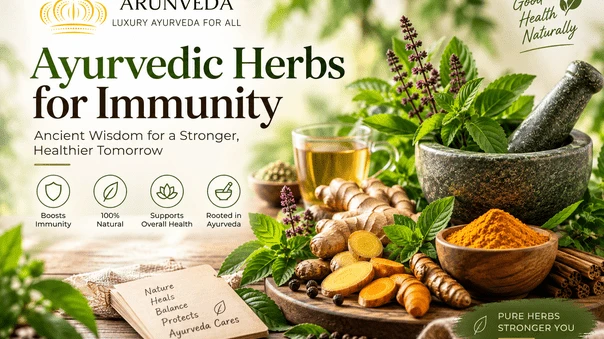
Discover seven traditional Ayurvedic herbs, including tulsi, amla, turmeric, and ginger, that can complement a balanced lifestyle and support everyday wellness. Learn about their traditional uses, healthy habits, and important precautions before adding herbal supplements to your routine.
7 Ayurvedic Herbs That Can Support Everyday Immune Health Naturally
Maintaining a healthy immune system is an important part of everyday wellness. A balanced diet, regular physical activity, sufficient sleep, and effective stress management all contribute to the body's natural defence mechanisms. Alongside these habits, many people explore traditional wellness practices, including Ayurveda, to learn more about herbs that have been used for generations.
Ayurveda is a traditional Indian system of wellness that places importance on maintaining balance through food, daily routines, and plant-based ingredients. Several Ayurvedic herbs are traditionally used to support general health and vitality. Although these herbs are not substitutes for medical treatment or proven preventive measures, understanding their traditional uses can help people make informed choices about their wellness routines.
1. Ashwagandha for Stress Management
Ashwagandha is a well-known herb in Ayurveda, traditionally associated with vitality and resilience. It is often discussed in relation to stress management and general wellbeing.
Stress and inadequate sleep can affect everyday health, making relaxation and consistent rest important parts of a healthy routine. Ashwagandha supplements have been studied for certain stress-related outcomes, but research remains limited, and results may vary between individuals.
People considering ashwagandha should review product quality, dosage, and possible interactions with a healthcare professional, particularly if they take medication or have an existing health condition.
2. Tulsi for Traditional Wellness
Tulsi, also known as holy basil, is commonly used in Indian households. Its leaves are traditionally prepared as herbal tea and included in daily wellness practices.
Tulsi contains naturally occurring plant compounds, including compounds with antioxidant properties. Many people enjoy tulsi tea as a comforting beverage, especially during seasonal changes.
However, tulsi should not be considered a cure for infections or a replacement for prescribed medication. People taking medication or managing a health condition should seek professional advice before using concentrated tulsi supplements.
3. Amla for Nutritional Support
Amla, or Indian gooseberry, is a traditional Ayurvedic ingredient valued for its nutritional content. It contains vitamin C and other naturally occurring plant compounds.
Vitamin C plays an important role in normal immune function and helps the body maintain healthy tissues. Amla can be included in a balanced diet in forms such as fresh fruit, dried preparations, or suitable food products.
Eating a varied diet with fruits and vegetables is generally more important than relying on one ingredient for overall nutritional support.
4. Turmeric for Everyday Health
Turmeric is widely used in Indian cooking and traditional wellness practices. It contains curcumin, a plant compound studied for its antioxidant and anti-inflammatory properties.
Turmeric can be enjoyed as part of meals, soups, or warm beverages. Its use in everyday cooking is different from taking concentrated curcumin supplements, which may have different safety considerations.
People who take medication or have gallbladder, liver, or other health concerns should consult a qualified healthcare professional before using high-dose turmeric supplements.
5. Ginger for Digestive Comfort
Ginger is a familiar ingredient in Indian kitchens and is traditionally used to support digestive comfort. It contains gingerol and other plant compounds.
Fresh ginger can be added to tea, soups, and meals. Many people enjoy ginger tea as part of their daily routine, especially when looking for a warm and soothing drink.
Ginger is not a treatment for infections, but it can be a useful food ingredient within a varied and balanced diet.
6. Giloy for Traditional Ayurvedic Practices
Giloy, also known as guduchi, has a long history of use in Ayurveda. It is traditionally associated with general wellness and vitality.
Despite its traditional importance, giloy supplements are not appropriate for everyone. There have been reports of liver injury associated with giloy products, and its safety requires particular attention.
Anyone considering giloy should speak with a healthcare professional first, especially if they have liver problems, take medication, or have an immune-related condition.
7. Neem for Traditional Herbal Care
Neem is another plant commonly mentioned in Ayurvedic traditions. Different parts of the neem tree have been used in traditional preparations, particularly in external herbal care.
Neem extracts vary considerably depending on the plant part and preparation method. Concentrated neem products should not be treated as harmless simply because they are plant-based.
Neem oil should not be swallowed, and oral neem supplements should only be considered with appropriate professional guidance.
Building a Healthy Routine Alongside Herbal Practices
Herbal ingredients are only one part of a broader approach to wellbeing. Eating nutritious meals, getting consistent sleep, staying physically active, managing stress, and following recommended vaccinations are important ways to support health.
Before purchasing an herbal supplement, check the ingredient list, manufacturer information, dosage instructions, and available quality-testing details. Avoid products that promise guaranteed immunity, instant results, or protection against every illness.
For readers interested in learning more about traditional herbal ingredients, this guide from Arunveda provides additional information about seven Ayurvedic herbs and their traditional wellness uses:
Read more: Ayurvedic Herbs for Immunity: 7 Herbs to Support a Strong Immune System
Understanding the role of herbs, nutrition, and everyday habits can help people approach wellness with realistic expectations. A balanced routine and informed decisions remain central to maintaining general health over time.



Comments
Login to Comment