6 Desi Indian Dishes Among the Top 32 Rice Puddings in the World
22 Apr, 2026
2008 Views 0 Like(s)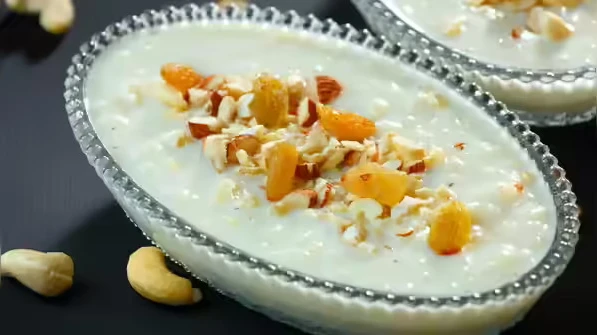
6 Desi Indian Dishes Among the Top 32 Rice Puddings in the World
Rice pudding is one of the most comforting and universally loved desserts, transcending borders, cultures, and culinary traditions. From creamy European variations to fragrant Middle Eastern delicacies, this humble dish has countless interpretations. Recently, global food rankings have spotlighted the diversity of rice puddings worldwide—and notably, six beloved Indian (desi) versions have earned a place among the top 32 rice puddings in the world. This recognition not only celebrates India’s rich dessert heritage but also highlights the versatility of rice as a base for indulgent sweets.
Indian cuisine has long embraced rice puddings, each region offering its own twist with unique ingredients, textures, and flavors. Let’s explore the six desi rice puddings that have gained global acclaim.
1. Kheer (North India)
Perhaps the most iconic Indian rice pudding, kheer is a staple across North India. Made by simmering rice, milk, and sugar over low heat, it develops a rich, creamy consistency. Flavored with cardamom and garnished with nuts like almonds and pistachios, kheer is often prepared during festivals, religious ceremonies, and celebrations. Its simplicity and comforting taste have made it a global favorite, earning it a well-deserved spot on international lists.
2. Payasam (South India)
In South India, rice pudding takes the form of payasam, a dish deeply rooted in tradition and temple cuisine. There are many variations, but rice-based payasam is among the most popular. Unlike kheer, it is often made with jaggery instead of refined sugar, giving it a deeper, caramel-like sweetness. Coconut milk or regular milk may be used, and ingredients like cashews, raisins, and ghee add richness. Payasam’s unique flavor profile and cultural significance make it stand out globally.
3. Phirni (North India)
Phirni is a refined cousin of kheer, known for its smooth, thick texture. Instead of whole rice grains, ground rice is used, resulting in a pudding that is silkier and more delicate. Traditionally served chilled in earthen pots, phirni is flavored with saffron and cardamom and often garnished with nuts. Its elegant presentation and melt-in-the-mouth consistency have contributed to its international appeal.
4. Chaler Payesh (Bengal)
From the eastern state of West Bengal comes chaler payesh, a dish that holds deep emotional and cultural value. Prepared with fragrant gobindobhog rice, milk, and sugar or jaggery, this pudding is often associated with birthdays and auspicious occasions. The use of bay leaf and cardamom enhances its aroma, while the slow cooking process ensures a rich, creamy texture. Its balance of flavors has earned it recognition beyond Indian borders.
5. Pal Payasam (Kerala)
Kerala’s pal payasam is a luxurious variation that exemplifies simplicity done right. Made with just a few ingredients—rice, milk, and sugar—it relies on slow cooking to achieve its signature pale pink hue and deep flavor. Traditionally prepared in temple kitchens, especially in large bronze vessels, pal payasam has a unique caramelized taste that sets it apart. Its inclusion among the world’s top rice puddings reflects its timeless appeal.
6. Ksheer (Odisha)
In Odisha, ksheer is more than just a dessert—it’s an offering of devotion. Often prepared as part of temple rituals, especially in the famous Jagannath Temple, ksheer is made with rice, milk, and sugar, sometimes enhanced with spices and dry fruits. Its texture is slightly thicker than kheer, and its flavor carries a subtle depth due to traditional cooking methods. Its spiritual significance and authentic taste have contributed to its global recognition.
A Sweet Global Spotlight on Indian Traditions
The inclusion of these six Indian rice puddings in a global ranking underscores the richness and diversity of Indian desserts. While the base ingredient—rice—remains constant, each region transforms it into something unique through local ingredients, techniques, and cultural influences.
This recognition also reflects a growing global appreciation for traditional and heritage foods. In an era where fusion cuisine often dominates, dishes like kheer, payasam, and phirni remind us of the beauty of authenticity and time-honored recipes.
Ultimately, these desi rice puddings are more than just desserts—they are stories of tradition, celebration, and comfort passed down through generations. Their place among the world’s best is not just an achievement for Indian cuisine but also an invitation for the world to savor the sweetness of its culinary heritage.


Comments
Login to Comment