5 Hidden Benefits of Installing Solar Water Heaters in Indian Homes
25 Sep, 2026
5 Views 0 Like(s)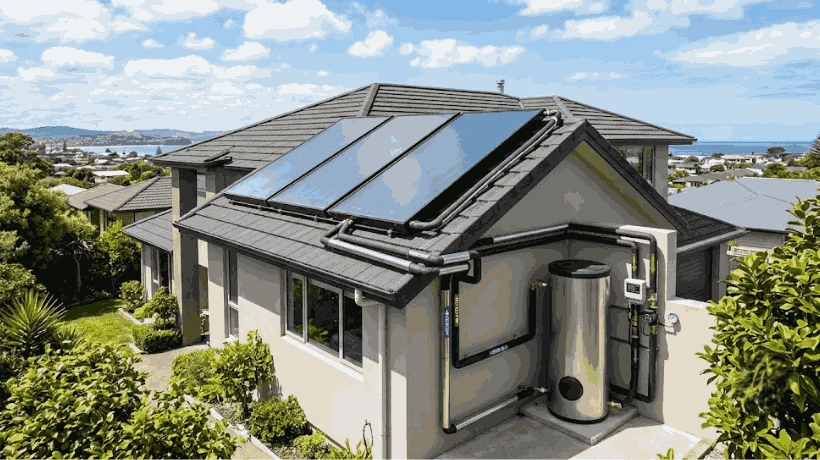
A **solar water heater** offers more than electricity savings. It provides reliable hot water, reduces dependence on electric geysers, lowers household power demand, and can improve long-term property appeal. When choosing the **best solar water heater India**, consider tank insulation, collector quality, durability, installation, and after-sales support. These **solar water heater benefits** make it a smart home upgrade.
Hot water doesn’t get a separate line item in your head. You don’t plan for it the way you plan for groceries or school fees. It’s just… there. Until it isn’t. Or until the electricity bill starts behaving like it has a personality.
In Indian homes, hot water does a lot of heavy lifting. Morning showers, bucket baths, cleaning the kitchen after a long day, laundry on weekends, grandparents needing warm water more often, kids falling sick and suddenly everyone wants hot water at odd hours. Most of this runs on electric geysers, which are convenient, yes, but also power-hungry and surprisingly expensive over time.
That is where a solar water heater starts to look less like a “nice-to-have” and more like a sensible home upgrade. And once people install one, they usually realise the best parts aren’t the ones they expected.
Here are five solar water heater benefits that often stay hidden until you actually live with the system.
Benefit 1: Predictable Hot Water Costs Year After Year
With an electric geyser, hot water is never a steady cost. It changes with the season, the household routine, and sometimes even with the number of guests you have over for a week.
Winter hits and the geyser runs longer. Someone starts gymming and takes longer showers. Your parents visit. Your electricity bill quietly climbs, and you can’t always pin down why because it’s not one big change, it’s ten small ones.
A solar water heater changes the pattern. Once the system is installed, sunlight does the main job. Electricity becomes the backup, not the primary fuel. So the bill stops reacting sharply to every extra use of hot water.
It’s not magic savings. It’s predictable running costs, which is honestly what most homeowners want.
Benefit 2: Better Performance During Peak Usage Hours
Indian homes don’t usually use hot water in a smooth, evenly spread way. It’s peak-and-burst.
Mornings are chaotic. Evenings are busy. In many households, that means multiple people need hot water within the same one-hour window. And this is exactly where electric geysers show their limits.
One person finishes, the next person gets lukewarm water. Someone waits. Someone compromises. Someone complains. And then the geyser starts reheating, pulling heavy power again.
A solar water heater works differently because it’s not trying to heat water “on demand” every single time. It heats gradually through the day and stores hot water in an insulated tank. So by the time your peak use happens, you’re drawing from stored heat instead of waiting for the heating element to catch up.
What this feels like in daily life:
-
Hot water is available when everyone needs it
-
Temperature stays more consistent
-
There’s less of that “who used it all?” moment
It doesn’t make your mornings calmer, but it removes one annoying problem from the list.
Benefit 3: Longer System Life Compared to Electric Geysers
Electric geysers are useful, but they age like appliances. Heating elements burn out. Thermostats act up. Hard water causes scaling. Voltage fluctuations do their own damage. And in many areas, a geyser replacement every few years feels normal.
A solar water heater generally lasts longer because it is not constantly fighting electrically to heat water. The heating is passive, so the system doesn’t rely on a stressed heating element switching on and off daily.
That doesn’t mean solar systems are maintenance-free. Nothing on a roof is. But the wear-and-tear cycle is slower, and breakdowns tend to be less frequent when the system is well-made and properly installed.
This is also why people looking for the best solar water heater India options don’t just compare capacity. They ask about:
-
Tank insulation quality
-
Collector type and durability
-
Corrosion resistance
-
After-sales support
Because the point is not to buy something “cheap”. The point is to install something you don’t want to think about again for a long time.
Benefit 4: Reduced Load on Home Electrical Infrastructure
This is the benefit nobody talks about at dinner, but it matters more than people realise.
Electric geysers draw a lot of power. Combine that with an AC, a washing machine, a microwave, and suddenly your home’s wiring is under pressure, especially in older houses or apartments where the electrical setup wasn’t designed for modern appliance loads.
People usually notice this only when:
-
The MCB trips frequently
-
Lights flicker during high usage
-
Voltage drops become common
-
The electrician starts suggesting upgrades
When you move water heating to solar, one of the biggest continuous electrical loads disappears. The rest of the house runs with less stress. It’s not flashy, but it’s the kind of improvement that reduces small headaches over the years.
For many homes, this is an underrated safety and stability win, not just a cost one.
Benefit 5: Higher Property Appeal and Long-Term Value
A solar water heater doesn’t feel like a gadget. It feels like infrastructure.
When someone visits a house and sees a solar water heater installed properly, the impression is simple: this home is set up for long-term living. It signals lower running costs and a bit of planning.
This matters because buyers and tenants are becoming more aware of monthly expenses. Even if they don’t say it directly, energy-efficient upgrades influence decisions.
Homes with solar water heating often enjoy:
-
Better rental conversations (especially for families)
-
Stronger “move-in ready” appeal
-
An extra point of value during resale discussions
Common Myths That Stop Homeowners from Choosing Solar Water Heaters
Most hesitation comes from old stories, usually from older systems or poor installations.
“Solar water heaters don’t work in winter.”
They do, especially evacuated tube systems that handle diffused sunlight better. Performance depends on design, insulation, and installation, not just sunshine.
“Maintenance is a pain.”
It’s not complicated. Occasional cleaning and basic checks are usually enough. Like any rooftop system, neglect causes problems, but regular care is manageable.
“Backup heating makes it unreliable.”
Backup is standard and automated. If anything, backup makes the system more practical because it covers those rare days when sunlight is low.
Most myths don’t survive once you talk to someone who has a decent system running at home.
Is a Solar Water Heater Right for Every Indian Home?
Not every home, but far more homes than people assume.
A solar water heater benefits most when:
-
You have reasonable roof space
-
Sunlight exposure is decent for most of the year
-
Your household actually uses hot water regularly
Independent houses and low-rise buildings are usually easy. High-rise apartments may need centralised setups or society-level planning, which is a different conversation.
Small Change, Long-Term Comfort
A solar water heater doesn’t ask you to change your routine. You don’t need to “use less hot water” or behave differently. It just changes how the hot water is produced. Bills stop jumping around, peak-time hot water becomes less stressful, and the system simply keeps doing its job.
For Indian homes, that kind of boring reliability is actually the point. When something works every day without drama, it earns its place.



Comments
Login to Comment