Wiemann Amelia vs Alpine Furniture Collections
02 Apr, 2026
3276 Views 0 Like(s)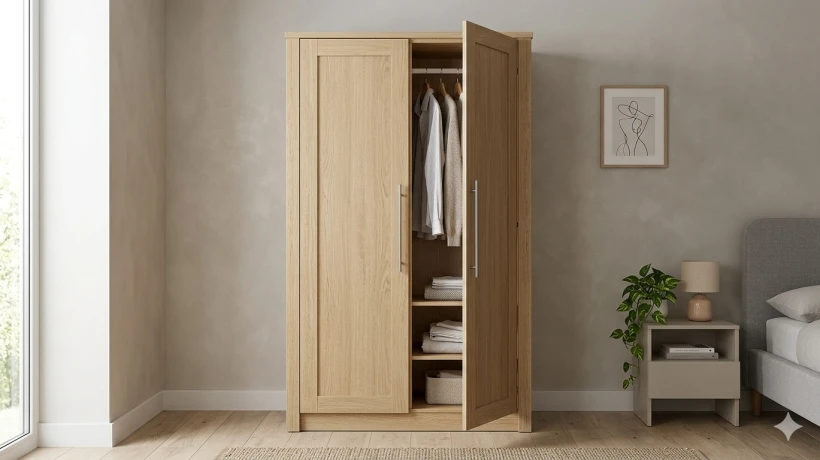
A wardrobe is never just storage. It holds mornings. It holds habits. It holds the rhythm of a home over decades. When clients ask me to compare the Amelia to other Wiemann ranges, they are rarely asking about hinges alone. They are asking about how it will feel ten years from now when the kids have grown, and the bedroom light falls differently across the doors.
Wiemann Amelia, and the broader Alpine-inspired collections sit in two slightly different emotional spaces. One leans toward precision and calm. The other toward warmth and familiar comfort. Both promise durability. Only one might match the way you actually live.
Let us talk about that.
The First Morning After Delivery
There is always that first quiet morning. The installers have gone. The room smells faintly of cardboard and fresh lacquer. You open the door for the first time.
The Amelia slides with a soft confidence. German engineering at work. The track system feels weighted but never heavy. Panels sit flush. Edges align. Nothing rattles.
Alpine collections feel different in the hand. More traditional. Slightly thicker framing. Hinged doors that open wide and honestly. There is a reassuring thud when they close.
Both are well-made. But they speak in different accents.
Amelia feels urban and pared back. Alpine feels grounded and domestic. Think city flat versus country retreat.
Materials That Age With You
Here is where experience counts. Wiemann has long worked with engineered wood cores wrapped in durable finishes that resist fading. Amelia uses refined foil surfaces or glass panels, depending on configuration. These surfaces resist the slow yellowing that cheaper laminates suffer. I have seen fifteen-year-old Wiemann pieces that still look sharp. No peeling corners. No bubbling edges.
Alpine collections often use solid wood veneers or painted finishes that highlight grain. You see knots. You see texture. In winter, the wood feels slightly cool at first touch. In summer, it warms quickly beneath your palm.
Quality veneer tells a story. Cheap veneer hides one.
Run your fingers along an edge. Real veneer will show depth in the grain pattern. Bonded or paper-thin coverings look printed. Too uniform. Too perfect. That is your first clue.
Sliding vs Hinged in Real Life
This is not about fashion. It is about how you move.
Sliding doors like Amelia suit tighter spaces. Beds placed close to wardrobes. Narrow walkways. You do not need clearance for a full door swing. They glide past each other and stay contained.
Hinged Alpine doors require room to breathe. When open they reveal everything at once. That can be liberating. It can also be chaotic on a rushed Monday morning.
Think about laundry baskets. Think about toddlers running in. Think about whether you want to see the whole interior in one sweep or reveal it section by section.
These are small decisions. They shape your day.
Inside the Wardrobe
Wiemann Amelia interiors are modular and precise. Adjustable shelves click into place with clean metal fittings. Soft-close drawers feel dampened and controlled. The finish inside is practical and light reflecting.
Alpine interiors lean slightly more classic. Solid feeling rails. Deep drawers. A sense of craftsmanship rather than system engineering.
Both offer longevity. The difference lies in refinement versus familiarity.
I often advise clients to visit a trusted retailer like Home Of Wardrobes to test these interiors in person. Online images never show how smoothly a drawer returns to its frame. You need to feel it.
Finishes That Set the Mood
Amelia often features glass fronts in white, grey, or champagne tones. They bounce light around a smaller bedroom and create a subtle mirrored glow. In the evening, they reflect lamplight softly without harsh glare.
Alpine finishes feel more tactile. Painted wood or natural veneers absorb light rather than reflect it. On a lazy Sunday afternoon, you might lean back against the wardrobe while reading. The surface feels stable. Familiar. Slightly textured under your fingertips.
Design is not just visual. It is sensory.
Long-Term Wear and Tear
Let us fast forward ten years.
You bump a suitcase against the base panel. You spill coffee while folding shirts. Life happens.
High-quality foil finishes like those on Amelia resist staining. Wipe clean. No ghosting. A minor scratch may be less visible due to the uniform surface.
With Alpine wood veneers, a spill can become a memory. If sealed well, it wipes away easily. If neglected, it may leave a faint mark. Not damage. A reminder. Like a dent in an old oak table that tells you about a birthday party long ago.
Cheap bonded finishes behave differently. They swell in moisture. Edges lift. You see the truth quickly.
When assessing quality look at the backing board thickness. Check hinge weight. Examine edge banding. Thick and neatly sealed edges are a sign of care. Thin and brittle edges signal compromise.
Craftsmanship Under the Surface
German manufacturing has a reputation for reason. Amelia benefits from machine precision. Panels are cut to tight tolerances. Joints are seamless. The sliding mechanisms are tested for thousands of cycles. Alpine collections vary depending on the maker but often lean into traditional joinery. Dovetail drawer joints. Reinforced corners. Slightly heavier frames.
Neither is inherently better. It depends on what you value. Clean, minimal lines. Or visible craftsmanship. Look beneath the surface. Remove a drawer. Inspect the runners. Good metal hardware feels cool and substantial in your hand. Cheap versions feel light. Tinny. Almost hollow.
Living With It Through the Seasons
Bedrooms shift with the year.
In winter, you crave solidity. Heavier fabrics. Deeper tones. Alpine wardrobes with wood grain feel grounded during darker months. The texture adds warmth even before you touch it.
In summer, light floods in. Glass-fronted Amelia wardrobes reflect daylight and make the space feel larger. Airier. Cooler.
The surface temperature matters too. Glass and lacquer can feel crisp on a hot day. Wood feels softer. More forgiving.
These are subtle experiences. They accumulate over time.
Storage Philosophy
Are you a maximalist? Or restrained.
Amelia encourages order. Its sliding doors conceal sections neatly. Interiors can be divided into precise compartments. It suits those who like everything aligned. Alpine collections invite layering. Stacked jumpers. Extra blankets. A sense of abundance.
Both can be customised, but the aesthetic nudges you gently in one direction.
I have watched families evolve with their wardrobes. A newlywed couple may choose the sleek Amelia. A decade later, they added extra shelving for children. The system adapts. That flexibility is part of its strength.
Scent and Substance
Walk into a room with genuine wood veneer and you notice it. A faint natural scent. Subtle and grounding. Engineered panels wrapped in quality foil are neutral. Clean. Almost invisible in aroma.
Avoid wardrobes that smell strongly of chemicals weeks after installation. That often signals lower-grade adhesives. Open the door. Take a breath. Your nose knows more than you think.
Value Over Time
Price tags matter. So does longevity. Wiemann Amelia sits in the mid to premium bracket. You pay for precision. For engineering. For refined sliding systems that last.
Alpine collections can range widely in price depending on finish and maker. Solid wood veneers often cost more upfront but age beautifully if maintained.
A trusted supplier such as Home Of Wardrobes can guide you through specifications rather than just aesthetics. Ask about panel thickness. Ask about warranty terms. A long warranty often reflects confidence in construction. Do not chase trends. Choose what will still feel right in twenty years.
How to Spot Real Quality
Stand close. Look at the grain alignment. Real veneer shows natural variation. No repeated patterns. Bonded surfaces repeat like wallpaper. Check the weight of the door. Heavier usually means thicker core material. Tap gently. A dull, solid sound suggests density. A hollow echo hints at cost-cutting.
Examine the hinges. Soft close mechanisms should engage smoothly without snapping. Drawers should glide without wobble. Quality hides in the details.
Which Suits You
If your bedroom is compact and modern, Amelia makes sense. Sliding doors conserve space. Glass finishes enhance the light. The engineering is reassuringly consistent.
If your space is larger and you love the feel of wood, Alpine collections bring warmth. They feel rooted. Honest.
There is no universal winner. Only the one that aligns with your habits. Stand in your bedroom. Imagine ten winters. Ten summers. Choose a wardrobe that will grow with you, rather than fighting your lifestyle.
Frequently Asked Questions
Is Wiemann Amelia more durable than Alpine collections?
Both are durable when well specified. Amelia excels in sliding mechanism longevity while Alpine wood veneers age gracefully if cared for.
How do I compare the Amelia to other Wiemann ranges?
Focus on door style, interior flexibility, and finish options. Some ranges offer more gloss or mirrored panel,s while Amelia balances modern glass with understated tones.
What is the Wiemann Amara Alternative, and how does it differ?
The Wiemann Amara Alternative often features softer design lines and different colour palettes. It may appeal if you prefer a slightly less structured aesthetic than Amelia.
Are sliding doors less reliable than hinged doors over time?
High-quality sliding systems like those used in Amelia are tested extensively. Cheap sliding tracks fail quickly, but well-engineered ones can last decades.
How can I tell if a wardrobe uses real veneer or bonded material?
Inspect the grain for natural variation. Check edges for thickness. Smell for excessive chemical odour. Real veneer feels textured and layered rather than printed and flat.



Comments
Login to Comment