Why Men’s Performance Often Changes Before They Notice Other Health Problems
05 Aug, 2026
726 Views 0 Like(s)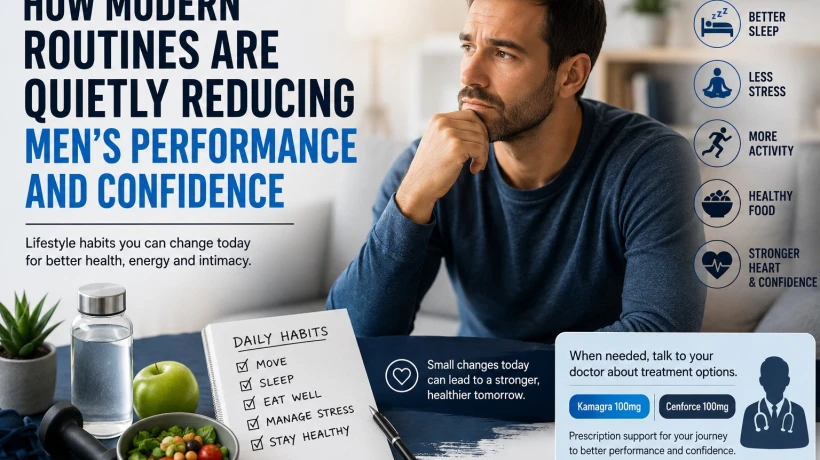
Discover why changes in men’s performance may appear before other health symptoms. Learn how sleep, stress, circulation, weight, and daily habits can quietly influence long-term wellness.
Many men think of erectile difficulties as a problem that appears suddenly.
One day everything works normally, and the next day it doesn’t.
In reality, the body usually gives earlier clues. The challenge is that those clues are often subtle enough to ignore.
A little less energy.
More difficulty recovering after exercise.
Increased stress.
Poor sleep.
Weight gain around the waist.
Erections that feel less predictable than they did a few years ago.
These changes may seem unrelated, but urologists frequently see them as part of a larger picture. Sexual performance is closely connected to circulation, hormones, sleep quality, emotional health, and overall physical fitness. When one of these systems begins to struggle, the bedroom may be one of the first places where the body reveals it.
Understanding these early signals can help men take action before a temporary issue becomes a persistent concern.
The Body Works as One Connected System
It is tempting to think of sexual health as separate from the rest of the body.
It is not.
An erection depends on:
-
Healthy blood vessels
-
Proper nerve function
-
Balanced hormones
-
Adequate sleep
-
Emotional relaxation
-
Sufficient energy
If circulation is reduced, stress is high, sleep is poor, or metabolic health is declining, erectile function may be affected even when no major disease has been diagnosed.
This is why many healthcare professionals view erectile changes as a possible health signal rather than only a performance issue.
The Sleep Deficit Most Men Underestimate
Modern life rewards staying busy, not sleeping well.
Many men regularly sleep 5–6 hours and consider it normal. Over time, however, insufficient sleep can influence several systems involved in male health.
Poor sleep may contribute to:
-
Lower testosterone levels
-
Higher cortisol levels
-
Increased hunger
-
Reduced exercise recovery
-
Lower sexual desire
-
Fatigue and irritability
Men often try to compensate with coffee or energy drinks, but stimulants cannot replace the restorative effects of deep sleep.
Improving sleep is frequently one of the first lifestyle changes that produces noticeable improvements in energy and confidence.
Stress Can Affect Performance Even in Healthy Men
A common misconception is that stress only affects mood.
Chronic stress affects the entire body.
When the nervous system remains in a constant state of alertness, it becomes harder to relax during intimacy. The mind shifts from connection to performance monitoring.
This can create a frustrating cycle:
-
Stress causes a disappointing experience.
-
Worry about repeating it creates anxiety.
-
Anxiety increases tension during the next encounter.
-
Tension makes another difficulty more likely.
Breaking this cycle often requires addressing the stress itself, not just the symptom.
Exercise, mindfulness, hobbies, counseling, and reducing digital overload can all help lower the nervous system’s baseline level of tension.
Sitting All Day Is a Silent Health Risk
One of the biggest changes in modern life is how little many people move.
A typical workday may involve:
-
Sitting at a desk
-
Driving or commuting
-
Looking at a phone during breaks
-
Watching television at night
Prolonged inactivity can affect circulation, weight, blood sugar control, and cardiovascular fitness.
Because erections rely heavily on healthy blood flow, reduced physical activity may gradually contribute to performance changes over time.
The encouraging part is that the body responds surprisingly well to regular movement. Walking, cycling, swimming, or strength training several times per week can support better circulation and overall health.
Waist Size Matters More Than Many Men Realize
Men often focus on body weight, but abdominal fat is especially important.
Excess belly fat is associated with:
-
Insulin resistance
-
Higher blood pressure
-
Increased inflammation
-
Lower testosterone
-
Greater cardiovascular risk
Even a modest reduction in waist size can improve energy, mobility, confidence, and metabolic health.
This is not about achieving a perfect physique. It is about reducing the strain on the body’s vascular and hormonal systems.
The Food Pattern Is More Important Than the Cheat Meal
No single meal determines sexual health.
Years of eating habits matter far more.
Diets dominated by processed foods, sugary drinks, and excessive saturated fats may contribute to obesity, diabetes, and vascular disease.
On the other hand, eating patterns that emphasize:
-
Vegetables
-
Fruits
-
Whole grains
-
Lean proteins
-
Legumes
-
Nuts
-
Healthy fats
support better blood vessel function and overall wellness.
Think of food as long-term maintenance for the circulatory system, not just fuel for the next few hours.
Don’t Ignore Changes in Confidence
Many men notice a psychological shift before a physical one.
They may begin to:
-
Worry more during intimacy
-
Avoid initiating sex
-
Feel less confident about performance
-
Overanalyze occasional difficulties
This does not automatically mean there is a serious medical problem, but it does mean the issue is affecting quality of life.
Open communication with a partner and early discussion with a healthcare professional can prevent temporary concerns from becoming chronic anxiety.
Where Medication Fits In
Lifestyle changes are the foundation of long-term health, but they may not resolve every case of erectile dysfunction.
When symptoms persist, a healthcare provider may discuss sildenafil-based treatment options as part of a broader plan. During this process, some men researching prescription therapies may encounter information about products such as Kamagra and other sildenafil medications. It is important that any decision to order Kamagra or use a prescription ED treatment is made through appropriate medical guidance and legitimate healthcare channels.
Medication is most effective when it is part of a comprehensive approach that also addresses sleep, exercise, stress, weight management, and cardiovascular health.
The Health Check Most Men Keep Delaying
Many conditions that affect erectile function develop silently.
High blood pressure, high cholesterol, prediabetes, and early diabetes may cause no obvious symptoms for years.
A routine medical check-up can identify these problems before they begin affecting circulation and long-term health.
Preventive care is not a sign that something is wrong; it is a way to keep small problems from becoming bigger ones.
Small Habits Create Long-Term Results
Men often believe they need a complete transformation.
In reality, the most sustainable improvements usually come from small, consistent actions:
-
Walking daily
-
Sleeping 7–8 hours
-
Reducing late-night screen time
-
Drinking more water
-
Exercising 3–4 times per week
-
Managing stress proactively
-
Scheduling annual health checks
These habits may seem simple, but repeated over months and years, they can significantly influence energy, confidence, circulation, and overall well-being.
The Bigger Picture
Erectile performance is rarely just about the bedroom.
It is often one of the earliest reflections of how well the body is sleeping, recovering, moving, and managing stress.
Paying attention to these quiet signals is not about fear; it is about awareness.
The goal is not perfection.
It is building a lifestyle that supports better health, better energy, better confidence, and better quality of life for the years ahead.



Comments
Login to Comment