Why Kids Struggle with Math—and How Games Fix It
10 Apr, 2026
2591 Views 0 Like(s)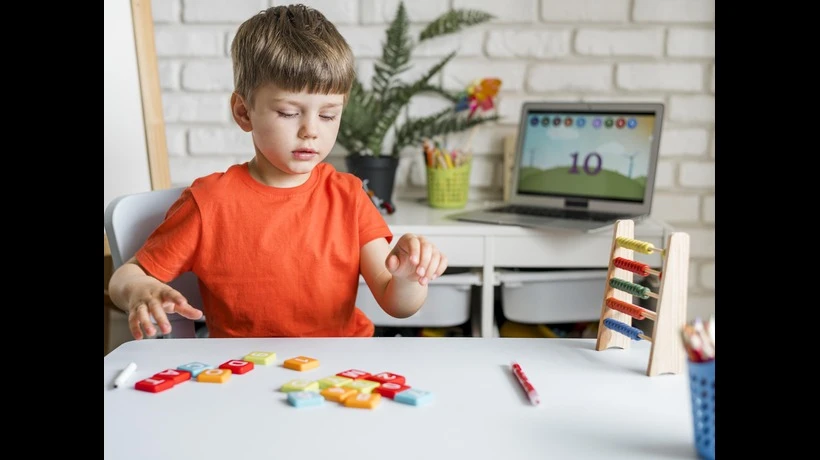
For kids, math can be tough. But for parents and teachers seeking to assist them, math can sometimes seem like an uphill task. Children may find it difficult to grasp concepts such as multiplication, fractions, and problem-solving. However, this is not because they are not smart enough. It is because they do not respond to conventional ways of learning math.
For kids, math can be tough. But for parents and teachers seeking to assist them, math can sometimes seem like an uphill task. Children may find it difficult to grasp concepts such as multiplication, fractions, and problem-solving. However, this is not because they are not smart enough. It is because they do not respond to conventional ways of learning math.
The good news is that math games for kids at home, math night kits for families, and cognitive improvement tools such as Kakooma puzzles are revolutionizing math learning. These help kids gain confidence in math and learn quickly. In fact, kids are actually enjoying math!
Let's discuss this further. Why do kids find math difficult? How can math games help kids solve this problem?
Why Kids Struggle with Math
Understanding the root causes of math struggles is the first step to helping children succeed. Here are some common reasons:
1. Learning Styles Don’t Match Traditional Methods
Classrooms often rely on worksheets, lectures, and memorization. These methods obviously work for some children, but many kids tend to be kinesthetic learners. They won’t understand why they need to read off a formula or complete repetitive problems.
2. Lack of Context
Math is an abstract subject. Kids need to understand how it is used in everyday life. If they’re not seeing how the numbers they’re working with tell a story or solve a problem they’re interested in, they’re likely to lose interest.
3. Anxiety and Negative Experiences
Kids who have trouble with math in the past tend to develop a sense of failure. They might develop math anxiety. They might be telling themselves, “I’m not good at math,” which is just going to be true.
4. Gaps in Foundational Skills
Math is cumulative. Missing one key concept—like understanding multiplication or fractions—can make higher-level topics extremely difficult. Many kids struggle not because they can’t learn, but because they don’t have a strong foundation.
5. Lack of Engagement
Finally, traditional math exercises often fail to capture attention. Without engagement, even bright children can lose interest, skip practice, and fall behind.
How Math Games Can Make a Difference
Here’s where the magic of math games for kids at home comes in. Games are more than just fun—they address the root causes of struggle in ways traditional methods cannot.
1. Learning Through Play
Games turn abstract numbers into interactive challenges. For example, a Kakooma puzzle requires children to use logic and arithmetic to find sums that match a target number. While they’re solving a “puzzle,” they’re practicing addition, multiplication, and problem-solving skills without feeling like it’s homework.
This approach works because kids learn better when they’re engaged and having fun, which improves retention and confidence.
2. Encouraging Family Participation
Family math night kits are designed in a way that parents, siblings, or even grandparents can be involved in the math learning activity of the kids. Through the involvement of parents or siblings, children will be able to enjoy the following:
Immediate guidance and support
Social reinforcement and encouragement
The ability to view math as a positive experience that the whole family shares
3. Repetition Without Boredom
Mathematics requires repetition to master any subject. However, this can be a bore if one is using worksheets. A game like Kakooma puzzles or card games offers this. Every round is different; therefore, a child can practice their skills repeatedly without even realizing it.
The repetition will help a child master their mental calculations and basic skills without getting bored.
4. Promoting Problem-Solving and Critical Thinking
Mathematics is not just about numbers; it is also about logic, strategy, and critical thinking. Conventional mathematics education emphasizes memorization, but mathematics games inherently teach:
-
Strategic planning
-
Outcome prediction
-
Pattern recognition
-
Logical reasoning
When a child plays a Kakooma puzzle game, for instance, he is not only using addition skills; he is also using his brain to think critically.
5. Supporting Individual Learning Styles
Math games for kids at home allow children to work at their own pace. Visual learners can see numbers and patterns, kinesthetic learners can manipulate pieces, and auditory learners can discuss strategies with family members.
The result? Each child learns in a way that suits their brain, making difficult concepts easier to grasp.
Practical Ways to Use Math Games at Home
Here are some ways parents can incorporate these tools into daily routines:
1. Dedicate a Weekly Math Game Night
Dedicate a night of the week to a family math night using the family math night kits. This can be made fun by offering small rewards and challenges and encouraging all family members to participate.
2. Start Small with Short Puzzles
Kakooma puzzles can be played for as little as 10-15 minutes a day. This can make a significant difference in the development of the children’s math skills.
3. Mixing Games with Traditional Learning
While games can be an effective way of reinforcing math skills in children, they should not replace other forms of traditional learning. For example, after working with multiplication tables, a Kakooma puzzle can be played using the same numbers.
4. Celebrate Progress
Keeping a record of the children’s improvement in a fun way can motivate them and help them overcome any stress they may be feeling about the situation.
5. Make Math a Social Experience
Invite friends or neighbors to join for mini game sessions. This adds peer encouragement and helps children see math as a fun challenge, not a chore.
The Long-Term Benefits
Using math games for kids at home, family math night kits, and puzzles like Kakooma can have lasting impacts:
-
Improved number sense: Kids understand how numbers relate to each other, not just how to memorize facts.
-
Increased confidence: By succeeding in games, children develop a positive mindset toward math.
-
Better problem-solving skills: Games teach strategy, logic, and persistence.
-
Stronger family bonds: Learning together fosters trust, communication, and support.
Final Thoughts
While struggles with math are the norm, they do not have to be the permanent reality. Parents and educators can break the mold by incorporating math games for kids at home, utilizing tools like Kakooma puzzles, and making math a family affair with family math night kits. Parents can turn the struggles with math into opportunities for growth, play, and connection with children, helping them thrive both academically and personally.
While children are learning math skills, they are also learning to have fun with math, making them more independent, self-confident, and life-long learners.



Comments
Login to Comment