Why Is My Menstrual Cycle Getting Longer? Understanding the Causes, Hormonal Changes, and When to Seek Help
22 Jul, 2026
914 Views 0 Like(s)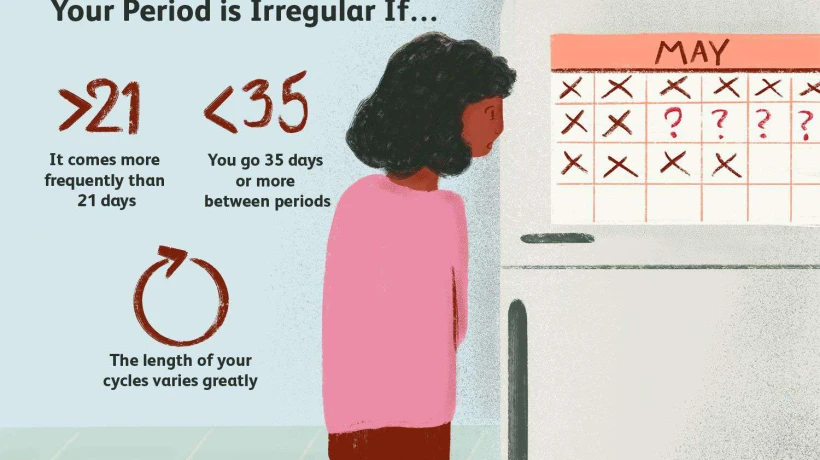
Learn why your menstrual cycle is getting longer, the possible causes, menopause connection, and treatment options from Align Health and Menopause.
Why Is My Menstrual Cycle Getting Longer?
Many women begin to notice unexpected changes in their monthly periods as they move through different stages of life. One of the most common concerns is asking, Why Is My Menstrual Cycle Getting Longer? A menstrual cycle that suddenly becomes longer than usual can feel confusing and even alarming, especially if it has always been regular. While occasional changes are common, consistently longer cycles may indicate hormonal fluctuations, lifestyle changes, or underlying health conditions that deserve attention. Understanding what influences menstrual health can help women make informed decisions about their well being and know when professional evaluation is necessary. At Align Health and Menopause, women receive personalized guidance to better understand hormonal changes and maintain long term reproductive and overall health.
How Does a Normal Menstrual Cycle Work?
A healthy menstrual cycle is controlled by a delicate balance of hormones produced by the brain and ovaries. For most women, a normal cycle lasts between 21 and 35 days, although individual patterns can vary. During each cycle, estrogen and progesterone prepare the uterus for pregnancy while also triggering ovulation. If pregnancy does not occur, hormone levels decrease, causing the uterine lining to shed during menstruation. As women age or experience changes in their overall health, these hormone levels can fluctuate. Even small hormonal shifts may delay ovulation, leading to longer menstrual cycles. These variations are not always a cause for concern, but understanding how the reproductive system functions makes it easier to recognize when changes require medical attention.
What Causes Menstrual Cycles to Become Longer?
Several factors can influence cycle length. One of the most common reasons is hormonal imbalance. Estrogen and progesterone work together to regulate ovulation, and when their balance changes, ovulation may occur later than expected. Since menstruation typically follows ovulation by about two weeks, delayed ovulation naturally creates a longer cycle. Stress is another significant contributor. Physical or emotional stress can affect the hypothalamus, the part of the brain responsible for regulating reproductive hormones. Major lifestyle changes, poor sleep, excessive exercise, and nutritional deficiencies may also interfere with normal hormone production. Medical conditions such as polycystic ovary syndrome, thyroid disorders, elevated prolactin levels, and certain medications may also extend cycle length. Pregnancy should also be considered if menstruation becomes significantly delayed. Because there are multiple possible causes, persistent changes should always be evaluated by a healthcare professional.
Can Perimenopause Make Menstrual Cycles Longer?
One of the most common reasons women experience longer menstrual cycles is the transition into perimenopause. This natural stage often begins during the forties, although it may start earlier for some women. During perimenopause, the ovaries gradually produce less estrogen and progesterone, causing ovulation to become less predictable. As ovulation occurs less consistently, menstrual cycles may become longer, shorter, heavier, lighter, or more irregular. These changes are considered a normal part of reproductive aging, but they can still affect quality of life. Women may also notice hot flashes, mood changes, night sweats, sleep disturbances, and fatigue alongside menstrual irregularities. Eventually, periods stop completely, leading to Postmenopause, the stage that begins after twelve consecutive months without menstruation. Understanding this transition helps many women feel more prepared for the physical and hormonal changes ahead.
Does Menopause Cause Weight Gain Alongside Cycle Changes?
Many women wonder whether hormonal changes affect both their menstrual cycles and body weight. The answer is often yes. Does Menopause Cause Weight Gain is one of the most frequently asked questions during midlife because hormonal fluctuations influence metabolism, muscle mass, fat distribution, and energy levels. Lower estrogen levels may contribute to increased abdominal fat while slowing calorie burning. Combined with aging and reduced physical activity, maintaining a stable weight becomes more challenging. Although menopause itself does not directly cause significant weight gain, hormonal changes make healthy lifestyle habits more important than ever. Focusing on Maintaining A Healthy Weight through balanced nutrition, regular physical activity, adequate sleep, and stress management supports overall hormonal health while reducing the risk of chronic diseases such as diabetes and cardiovascular disease.
Could Lifestyle Habits Affect Your Menstrual Cycle?
Daily habits have a surprisingly powerful influence on reproductive hormones. Poor nutrition, rapid weight changes, excessive exercise, chronic stress, smoking, and insufficient sleep can all interfere with normal ovulation. Women who experience sudden changes in body weight often notice corresponding changes in menstrual cycle length. Social media trends such as the Pink Salt Recipe For Weight Loss or the Rice Hack For Weight Loss have gained popularity among individuals seeking quick weight loss solutions. While these trends attract attention online, there is very little scientific evidence showing they improve hormonal balance or regulate menstrual cycles. Sustainable nutrition supported by evidence based medical guidance remains the safest and most effective approach for protecting reproductive health. Healthy eating patterns that include lean proteins, healthy fats, fiber rich vegetables, fruits, and whole grains provide the nutrients needed for proper hormone production. Combined with regular exercise, these habits support overall wellness without relying on unproven internet trends.
When Should Hormonal Testing Be Considered?
When menstrual cycles continue changing over several months or are accompanied by other symptoms, medical evaluation becomes important. Hormonal Testing For Women provides valuable information about estrogen, progesterone, thyroid hormones, follicle stimulating hormone, luteinizing hormone, testosterone, and other markers that influence reproductive health. Testing helps healthcare providers determine whether symptoms are related to perimenopause, thyroid disorders, polycystic ovary syndrome, or other endocrine conditions. Every woman's hormonal profile is unique, making individualized evaluation essential rather than relying on assumptions based solely on age. Accurate testing also helps healthcare providers recommend treatments that match each woman's specific needs while avoiding unnecessary interventions. Early diagnosis often leads to more effective symptom management and greater peace of mind.
Can Hormone Therapy Help Restore Hormonal Balance?
For women whose symptoms significantly affect daily life, hormone therapy may become part of a personalized treatment plan. Modern therapies are carefully tailored according to individual medical history, symptoms, age, and treatment goals. Some women may benefit from Bio Identical Hormone Therapy, which uses hormones designed to closely resemble those naturally produced by the body. Others may consider Bioidentical Hormone Replacement Therapy Pellets, which provide a steady release of hormones over several months under medical supervision. Treatment decisions should always be made with qualified healthcare professionals after thorough evaluation, ensuring benefits outweigh potential risks. Some women also ask whether Hormone Replacement Therapy Weight Loss is possible. Although hormone replacement therapy is not designed as a weight loss treatment, restoring hormonal balance may improve energy levels, sleep quality, muscle maintenance, and metabolism. Combined with healthy nutrition and regular physical activity, these improvements may support healthier weight management over time.
When Should You See a Healthcare Provider?
Occasional variations in menstrual cycles are common, but persistent or dramatic changes deserve medical attention. Women should schedule an evaluation if menstrual cycles consistently become much longer than usual, periods suddenly stop without pregnancy, bleeding becomes extremely heavy, bleeding occurs between periods, severe pelvic pain develops, or symptoms interfere with daily activities. Professional evaluation becomes even more important for women over forty because distinguishing between normal reproductive aging and medical conditions requires proper assessment. Early diagnosis allows healthcare providers to identify potential concerns before they become more serious while helping women navigate hormonal transitions with confidence. Healthcare providers may recommend blood tests, imaging studies, or additional evaluations depending on each individual's symptoms. The goal is not simply to treat irregular cycles but to improve overall hormonal health and long term wellness.
Conclusion
If you have been wondering, Why Is My Menstrual Cycle Getting Longer, remember that your body may simply be responding to natural hormonal changes, especially during perimenopause. However, longer menstrual cycles can also result from stress, thyroid disorders, polycystic ovary syndrome, lifestyle factors, or other medical conditions that deserve proper evaluation. Paying attention to changes in your menstrual pattern allows you to seek timely medical advice and better understand what your body is communicating. At Align Health and Menopause, compassionate care focuses on helping women understand hormonal changes through comprehensive evaluations, personalized treatment options, and education that supports lifelong wellness. Whether symptoms are related to reproductive aging, hormone imbalance, or menopause, expert guidance empowers women to make informed healthcare decisions and maintain their quality of life through every stage of hormonal transition.

Comments
Login to Comment