Why Fat Melting Injections Are Considered for Stubborn Fat Areas
10 Sep, 2026
5 Views 0 Like(s)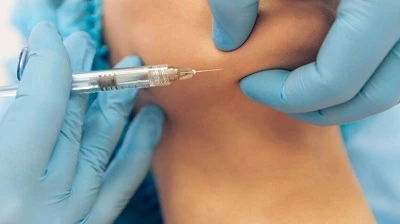
Discover how fat melting injections work, their potential benefits, treatment considerations, and what to know before choosing this body contouring option.
For many people, losing body fat is not simply a matter of eating less or exercising more. Even when a person follows a balanced lifestyle, certain small pockets of fat can remain surprisingly resistant to conventional weight-management efforts. These areas may affect the chin, abdomen, flanks, thighs, arms, or other parts of the body and can sometimes make a person feel that their overall appearance does not match their efforts.
This is one reason Fat Melting Injections in Muscat have attracted attention as a minimally invasive option for people interested in reducing localized fat. These treatments, often referred to as injectable lipolysis or fat-dissolving injections, are designed to target fat cells in a specific area rather than produce general weight loss.
The concept is relatively straightforward: an injectable substance, depending on the treatment used and its approved indications, is introduced into carefully selected fatty tissue. Deoxycholic acid is one of the best-studied injectable agents for this purpose. It can disrupt fat-cell membranes, allowing the body to gradually process the treated cellular material. Evidence is strongest for treating fat beneath the chin, while the use of deoxycholic acid in other body areas may be considered off-label and has a less established evidence base.
For anyone considering this type of treatment, understanding what it can and cannot do is important. Fat melting injections are not a replacement for healthy eating, physical activity, or medical weight-management treatment. Instead, they may be considered for selected people who have relatively small, localized fat deposits that remain noticeable despite their lifestyle efforts.
What Are Fat Melting Injections?
Fat melting injections are minimally invasive treatments intended to reduce localized deposits of subcutaneous fat. Unlike traditional liposuction, the procedure does not involve surgically removing fat through a cannula. Instead, an injectable substance is placed into the targeted fatty layer.
One commonly studied ingredient is deoxycholic acid, a substance naturally involved in the body's processing of dietary fat. When appropriately injected into subcutaneous fat, it can damage the membranes of fat cells. The treated cells are then gradually cleared through normal biological processes.
The treatment is therefore sometimes described as a fat-dissolving or fat-reducing procedure. However, the term "fat melting" can be somewhat misleading because the fat is not literally melted away like a solid substance. The biological process involves disruption of fat cells and subsequent clearance by the body.
The strongest clinical evidence for injectable deoxycholic acid involves submental fat, commonly known as a double chin. Clinical trials and systematic reviews have found meaningful reductions in submental fat compared with placebo, although temporary injection-site effects such as swelling, bruising, pain, numbness, and redness are common.
This distinction matters when people research Fat Melting Injections in Muscat or elsewhere. Different products and formulations can have different regulatory statuses, ingredients, treatment protocols, and evidence. A person should therefore understand exactly what substance is being proposed rather than assuming that every product marketed as a "fat-dissolving injection" works in the same way.
Why Are They Considered for Stubborn Fat Areas?
Stubborn fat generally refers to localized fat that remains noticeable even when a person has a reasonably healthy diet and regular physical activity. Genetics, age, hormones, body composition, and natural patterns of fat storage can all influence where fat accumulates.
For example, one person may naturally store more fat under the chin, while another may notice persistent fullness around the abdomen or flanks. Weight loss can reduce overall body fat but does not necessarily change these areas in the way a person expects.
This is where localized treatments may have a role.
Fat melting injections are considered because they can focus treatment on a specific area rather than affecting the entire body. For a person who is otherwise close to their desired body composition but has a small, localized pocket of fat, a targeted approach may be more appropriate than attempting further overall weight loss.
However, expectations need to remain realistic. Injectable fat reduction is generally intended for localized contour improvement, not substantial weight reduction. A person with significant excess weight or widespread fat accumulation may benefit more from a comprehensive medical and lifestyle approach.
Current evidence also suggests that the best-supported application of deoxycholic acid remains submental fat. Research into other areas, including the flanks and other localized deposits, is growing, but the evidence is not as extensive or standardized.
Which Areas May Be Considered for Fat Reduction Injections?
The exact treatment area depends on the product, local regulations, anatomy, and clinical assessment. The area beneath the chin is the most established indication for deoxycholic acid injections.
Other areas have been studied or treated in clinical practice, including certain localized deposits around the flanks and other body regions. A recent study examining deoxycholic acid for flank fat reported reductions in measured fat thickness and waist circumference after treatment, although the study was relatively small.
Research reviews have also described investigations involving areas outside the submental region. Nevertheless, these applications may be considered off-label depending on the product and jurisdiction, and the available evidence is generally weaker than it is for submental fat.
This is why an assessment before treatment is important. Not every fatty area is suitable for injection-based treatment. A visible bulge could sometimes be related to loose skin, muscle structure, visceral fat, a benign lump, or another anatomical feature rather than a simple pocket of subcutaneous fat.
A qualified healthcare professional can determine whether the concern is actually localized subcutaneous fat and whether an injectable approach is appropriate.
What Can a Person Expect During and After Treatment?
Treatment typically begins with an assessment of the area and careful identification of the locations where injections will be placed. The treatment area may then be marked to help guide accurate administration.
Because injectable fat reduction relies on precise placement, technique and anatomical knowledge are important. The U.S. Food and Drug Administration has specifically warned against unapproved fat-dissolving injections and self-injection, noting that improper products or injection techniques can result in infections, scarring, and other serious complications.
After treatment, temporary reactions can occur. Swelling, bruising, redness, tenderness, pain, itching, numbness, or small areas of firmness may develop around the injection sites. These effects are generally localized and temporary in clinical studies, although their intensity and duration can vary between individuals.
The final appearance does not usually become apparent immediately. The body needs time to process the affected fat cells and for treatment-related swelling to settle. Depending on the treatment area and the specific product, more than one session may be considered.
Patience is therefore an important part of the process. Someone expecting an instant transformation may be disappointed, while someone looking for gradual contour refinement may have more realistic expectations.
Who May Be a Suitable Candidate?
Fat melting injections are generally considered for adults who have a localized area of unwanted subcutaneous fat and understand the limitations of the procedure.
A suitable candidate may have relatively stable body weight, realistic expectations, good general health, and a specific area that can potentially respond to localized fat reduction.
On the other hand, injectable treatment may not be the best option for someone whose primary concern is significant weight loss, extensive excess skin, or widespread body fat. Loose skin can also affect the final appearance of a treated area, and reducing fat does not automatically tighten or remove excess skin.
A proper consultation should also consider medical history, medications, allergies, previous cosmetic treatments, skin condition, pregnancy or breastfeeding status where relevant, and the specific product being considered.
The safety profile also depends heavily on using an appropriate product and administering it correctly. Complications are uncommon but can be significant when injections are placed incorrectly. Reported complications can include skin injury and nerve-related problems, particularly in anatomically sensitive areas.
Fat Melting Injections vs. Traditional Fat Removal
One reason people consider injectable treatments is that they offer a less invasive alternative to surgical fat removal.
Liposuction physically removes fat through a surgical procedure and can address larger areas of fat. Fat-dissolving injections, in contrast, are generally more suited to smaller, localized deposits and involve no surgical removal of fat.
The choice between these approaches depends on the amount of fat, location, skin quality, desired degree of contour change, medical history, recovery preferences, and professional assessment.
Injectable treatment can be attractive to people who prefer a minimally invasive option, but "non-surgical" does not mean "risk-free." Injectable treatments still require medical knowledge, accurate technique, appropriate product selection, and proper aftercare.
For anyone researching Fat Melting Injections in Muscat, it is particularly important to ask what active ingredient is being used, whether that specific product is approved for the intended area, what evidence supports its use, what side effects are possible, and who is qualified to administer it.
What Should Be Considered Before Choosing Treatment?
The most important step is to focus on safety and suitability rather than simply choosing a treatment because it is advertised as fast or convenient.
A consultation should provide an opportunity to discuss the exact area being treated, expected results, possible alternatives, number of sessions, recovery, side effects, and whether the proposed treatment is approved for that particular use.
People should also be cautious about products purchased online or treatments administered outside appropriate healthcare settings. The FDA has specifically advised consumers not to purchase unapproved fat-dissolving products for self-injection because incorrect products and unsafe administration can cause serious complications.
It is equally important to understand that evidence varies considerably depending on the injection and treatment area. Deoxycholic acid has substantial evidence for submental fat, while evidence for other areas is still developing. A systematic review of non-submental uses found promising results but noted that stronger studies are needed before firm conclusions can be made about many of these applications.
Ultimately, the goal should be informed decision-making. Fat melting injections may be useful for selected cases of localized fat, but they should be viewed as a contouring treatment rather than a shortcut to overall weight loss.
FAQs About Fat Melting Injections
1. What are fat melting injections used for?
Fat melting injections are designed to reduce localized deposits of subcutaneous fat. Deoxycholic acid is a well-studied injectable treatment, particularly for fat beneath the chin. Other applications may be considered depending on the product and local regulations, but evidence varies between treatment areas.
2. Are fat melting injections the same as weight-loss injections?
No. Fat melting injections are intended for localized contouring, whereas medical weight-loss injections are designed to affect broader metabolic or appetite-related processes. Injectable fat reduction should not be considered a treatment for general obesity or a substitute for healthy weight-management strategies.
3. How long does it take to see results?
Results generally develop gradually rather than immediately. Swelling and other temporary treatment effects need time to settle, while the body processes the affected fat cells. The timing can vary depending on the treated area, product, and individual response.
4. Are fat melting injections safe?
When an appropriate product is used for an appropriate indication and administered correctly by a qualified healthcare professional, injectable fat reduction can have an established safety profile for its approved uses. However, side effects are possible, including pain, swelling, bruising, redness, numbness, and firmness. Rare but more serious complications can occur, particularly with improper injection technique.
5. Can fat melting injections be used on every part of the body?
No. Suitability depends on the specific injection, treatment area, anatomy, regulatory approval, and available clinical evidence. Deoxycholic acid has its strongest evidence and regulatory approval for submental fat in adults in the United States; use in other areas may be off-label and should be evaluated carefully.
6. Do fat melting injections replace diet and exercise?
No. They are not designed to replace a healthy lifestyle. Diet and physical activity remain important for maintaining overall health and body composition. Injectable fat reduction is better understood as a possible option for selected localized fat deposits rather than a general weight-loss method.
Read More About Fat Melting Injections: https://globbook.com/blogs/373397406189252608/fat-melting-injections-what-makes-targeted-fat-reduction-possible

Comments
Login to Comment