Why Does Hard Water Damage Hair in India and How Can the Right Shampoo Help?
03 Sep, 2026
524 Views 0 Like(s)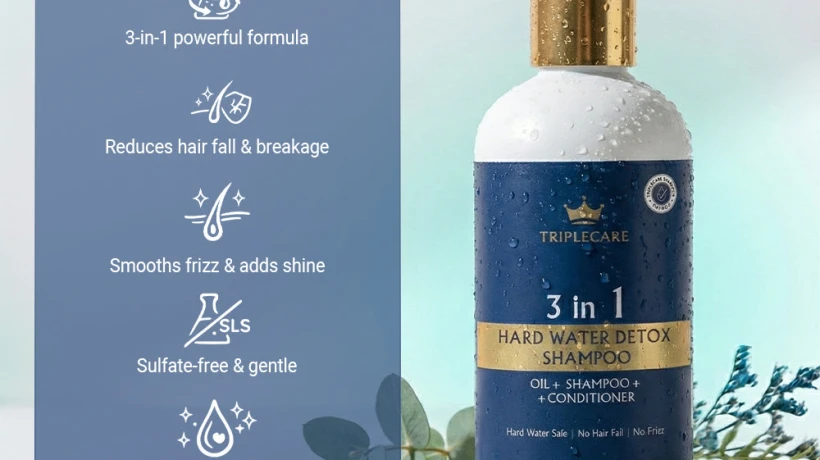
Have you ever noticed that your hair feels rough, dry, tangled, or unusually dull even after washing it? You may be dealing with more than just a bad hair day. In many parts of India, hard water can be one of the hidden reasons behind frustrating hair problems.
Have you ever noticed that your hair feels rough, dry, tangled, or unusually dull even after washing it? You may be dealing with more than just a bad hair day. In many parts of India, hard water can be one of the hidden reasons behind frustrating hair problems.
Hard water contains higher levels of minerals, mainly calcium and magnesium. When this water comes into regular contact with your hair, these minerals can build up on the hair and scalp. Over time, that buildup may make hair feel less smooth, harder to manage, and more difficult to keep looking fresh.
The good news is that you do not necessarily need a complicated hair-care routine. Understanding how hard water affects your hair and choosing the right hard water shampoo can help you manage mineral buildup and maintain healthier-looking hair.
What Is Hard Water?
Hard water is water that contains a relatively high concentration of dissolved minerals, especially calcium and magnesium.
It is not always easy to identify hard water simply by looking at it. However, you may notice signs around your home, such as white deposits on taps, water spots on bathroom surfaces, or difficulty getting soap and shampoo to lather properly.
The mineral content of water can vary from one location to another. Many households in India use groundwater, borewell water, or other sources where mineral levels may be relatively high.
For your hair, regular exposure to mineral-rich water can become a problem when residue accumulates over time.
How Can Hard Water Affect Your Hair?
The biggest issue is usually mineral buildup.
When you wash your hair repeatedly with hard water, minerals can remain on the hair surface. This can interfere with the way your regular shampoo and other hair-care products work.
Here are some common changes people may notice.
1. Hair Can Feel Rougher
Healthy-looking hair generally feels smoother when you run your fingers through it. Mineral residue can make the hair surface feel less smooth.
You might notice that your hair no longer has the soft feeling it had before, even when you use conditioner regularly.
2. Hair May Look Dull
Hard water buildup can make hair appear less shiny and fresh. Instead of looking clean and light after washing, the hair may seem weighed down.
This can be especially frustrating if you spend time styling your hair but still feel that it looks lifeless.
3. More Tangling and Frizz
When hair becomes rough and difficult to manage, tangling can become more noticeable. Frizz may also appear more obvious, particularly if your hair is already dry, curly, wavy, or chemically treated.
This does not mean hard water is the only cause of frizz. Humidity, heat styling, lack of moisture, and hair damage can also contribute.
4. Shampoo May Not Feel Effective
Have you ever felt like your shampoo is not cleaning your hair properly?
Hard water can make washing feel different because minerals can interact with cleansing products. You may feel that your hair needs more effort to become clean or that it still feels coated after washing.
This is one reason choosing a suitable cleanser can make a difference in a hard-water environment.
Does Hard Water Cause Hair Fall?
This is a common question, and it deserves a realistic answer.
Hard water and mineral buildup may contribute to hair dryness, roughness, breakage, and scalp discomfort in some people. However, hair fall can have many different causes, including genetics, stress, nutritional issues, hormonal changes, scalp conditions, illness, and certain medications.
So it would be misleading to say that hard water is the sole cause of hair fall.
If you are experiencing sudden, severe, or persistent hair loss, it is better to speak with a dermatologist or qualified healthcare professional rather than relying only on a shampoo.
How Can a Hard Water Shampoo Help?
This is where choosing the right cleanser becomes important.
A hard water shampoo is designed with the challenges of mineral-rich water in mind. Depending on its formulation, it may help cleanse away residue and buildup that can accumulate from repeated exposure to hard water.
The goal is not to magically change your water. Instead, the right shampoo can become part of a routine that helps your hair stay cleaner, lighter, and easier to manage.
A good routine should focus on removing buildup without making the scalp and hair feel excessively dry.
What Should You Look for in a Hard Water Shampoo?
Not every shampoo will suit every person. Your scalp type, hair texture, lifestyle, and frequency of washing all matter.
When choosing a hard water shampoo, consider the following:
Effective Cleansing
The shampoo should provide enough cleansing to remove everyday dirt, oil, and residue. If your hair regularly feels coated or heavy after washing, a cleansing-focused formula may be worth considering.
A Comfortable Feel
A shampoo that leaves your hair extremely dry or your scalp uncomfortable may not be ideal for regular use. Look for a formula that balances cleansing with a comfortable after-wash feel.
Suitability for Your Hair Type
Someone with an oily scalp may need a different washing routine than someone with dry or curly hair. Your shampoo should match your individual needs rather than simply following someone else's routine.
Easy Everyday Use
Hair care does not have to become complicated. A practical product that fits easily into your normal washing routine is more likely to be used consistently.
Can You Prevent Hard Water Hair Problems?
You cannot always control the water supply in your home, but you can reduce the impact of mineral exposure with a thoughtful routine.
Here are some simple habits that may help:
Wash according to your scalp needs: Avoid washing excessively just because your hair feels different. Find a frequency that keeps your scalp comfortable without unnecessary dryness.
Rinse thoroughly: Make sure shampoo is properly rinsed from your hair and scalp.
Use conditioner when needed: Conditioning can help improve softness and manageability, especially if your hair tends to feel dry after washing.
Avoid excessive heat: Frequent straightening, curling, and hot blow-drying can make already-dry hair more difficult to manage.
Be gentle while drying: Aggressive towel rubbing can contribute to mechanical damage. Gently squeeze out excess water instead.
Consider your water quality: If hard water is a major concern in your home, a suitable water filter or shower filtration solution may also be worth exploring, depending on your local water conditions.
Why Is Hard Water Shampoo Becoming Important for Indian Hair Care?
India has a wide variety of climates and water sources. Hair-care needs can therefore differ considerably from one region and household to another.
Someone living in an area with mineral-rich groundwater may notice completely different hair behavior from someone using softer municipal water.
This is why simply changing conditioners or adding multiple styling products may not always solve the underlying problem. If mineral buildup is contributing to roughness or dullness, addressing buildup itself can be a more logical part of the routine.
A hard water shampoo can be useful as one part of that approach.
A Simple Routine for Hard Water Areas
You do not need ten different products to care for your hair.
A simple routine can look like this:
- Wet your hair thoroughly before applying shampoo.
- Apply an appropriate amount of shampoo to the scalp and hair.
- Massage gently with your fingertips instead of scratching with your nails.
- Rinse thoroughly to remove shampoo and loosened residue.
- Use conditioner if your hair needs additional softness.
- Dry gently and avoid unnecessary heat.
- Stay consistent rather than changing products every few days.
The key is to pay attention to how your hair responds.
Common Mistakes to Avoid
One of the biggest mistakes is assuming that more shampoo automatically means cleaner hair.
Using too much product or washing aggressively can leave your scalp and hair feeling dry. Another mistake is changing products repeatedly without giving your routine enough time to understand what actually works.
It is also important not to blame every hair problem on hard water. If your scalp is itchy, flaky, painful, or unusually irritated, or if you are experiencing significant hair loss, professional advice may be more appropriate.
Final Thoughts
Hard water is an everyday reality for many households, and repeated exposure to mineral-rich water can make hair feel rough, dull, dry, or difficult to manage. While hard water is not responsible for every hair problem, mineral buildup can be an overlooked part of the picture.
The right hard water shampoo can help make cleansing more suitable for hair exposed to mineral-rich water. Combined with gentle washing, conditioning when needed, careful drying, and reduced heat styling, it can become a practical part of a simple hair-care routine.
Instead of constantly adding more products, start by understanding what your hair is actually dealing with. Sometimes, making one smart change to your washing routine can make your everyday hair care feel much easier.



Comments
Login to Comment