Why Does Acne Keep Coming Back?
12 Nov, 2026
4Views 0 Like(s)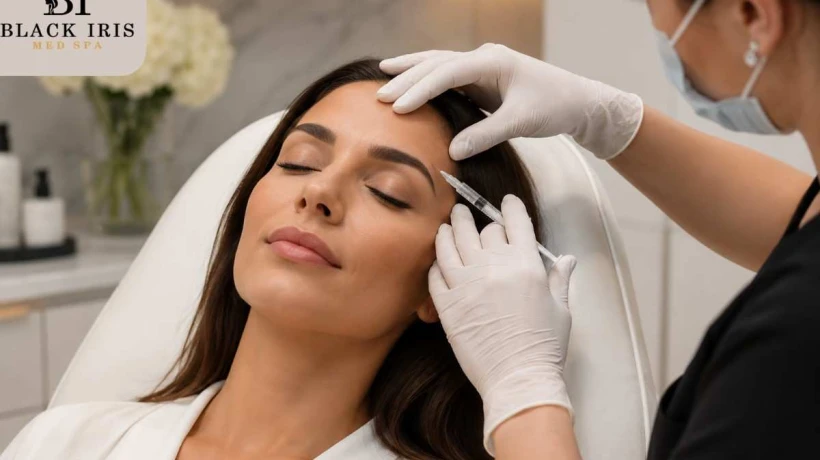
Explore effective acne treatments in Frisco to manage recurring breakouts, improve skin texture, and reduce acne scars with professional skincare solutions.
Dealing with acne can be frustrating, especially when breakouts continue to appear even after trying different skincare products. You may notice that your skin becomes clearer for a few weeks, only for pimples, clogged pores, and inflammation to return. Recurring acne is a common concern among teenagers and adults, and it can have several underlying causes.
Understanding why breakouts keep returning is the first step toward healthier-looking skin. With the right skincare routine and professional guidance, it may be possible to manage recurring acne and reduce the risk of future breakouts. If you are exploring acne treatments Frisco, learning about the causes, available procedures, and prevention methods can help you make informed decisions.
Why Does Acne Keep Coming Back?
Acne develops when hair follicles become clogged with oil, dead skin cells, and other impurities. Bacteria and inflammation can contribute to the development of pimples, blackheads, whiteheads, and deeper breakouts.
Even after a breakout clears, the factors responsible for acne may remain. This is why some people experience recurring acne despite using skincare products regularly.
Common reasons include:
-
Excess oil production.
-
Hormonal fluctuations.
-
Clogged pores and dead skin buildup.
-
Acne-causing bacteria and inflammation.
-
Stress and changes in daily routines.
-
Skincare products that are unsuitable for your skin type.
-
Certain medications or underlying health factors.
Identifying your specific triggers can help you choose a more suitable treatment approach.
Hormonal Changes Can Trigger Recurring Breakouts
Hormonal fluctuations are among the common causes of recurring acne, particularly in adults. Changes in hormone levels can increase oil production, making pores more likely to become clogged.
Hormonal acne often appears around the chin, jawline, and lower cheeks. Some people notice breakouts before their menstrual cycle, while others experience persistent acne throughout the month.
Stress can also influence hormonal activity and may contribute to worsening breakouts.
If you regularly experience painful or recurring acne, consider consulting a dermatologist or qualified healthcare professional. They can assess possible triggers and recommend appropriate treatment options based on your skin and medical history.
Using the Wrong Skincare Products
Sometimes, the products intended to improve your skin may contribute to recurring breakouts.
Heavy creams, oily makeup, and certain hair products can clog pores in people who are prone to acne. Using too many active ingredients can also irritate the skin and damage its protective barrier.
A simple skincare routine is often a better starting point.
Consider these daily habits:
-
Cleanse your face gently twice a day.
-
Choose products labeled non-comedogenic.
-
Use a lightweight moisturizer suitable for your skin type.
-
Apply broad-spectrum sunscreen with SPF 30 or higher.
-
Avoid scrubbing or frequently touching your face.
-
Remove makeup before going to bed.
Avoid introducing several new products at once. Adding products gradually makes it easier to identify anything that irritates your skin.
Can Professional Acne Treatments Help?
When regular skincare products do not provide the desired improvement, professional treatments may be worth exploring.
People searching for acne treatments Frisco can consider different options depending on their skin type, acne severity, and treatment goals.
A professional skin assessment can help determine whether your primary concern is active acne, clogged pores, inflammation, uneven texture, or acne scars.
Some commonly considered treatment options include:
1. Chemical Peels
Chemical peels use selected exfoliating ingredients to remove dead skin cells from the skin's surface. Depending on the formulation, they may help improve clogged pores, uneven skin texture, and certain types of acne-related discoloration.
Salicylic acid and other exfoliating ingredients are commonly used in treatments for acne-prone skin.
The appropriate peel strength and frequency depend on your skin condition and tolerance. Professional guidance is important because stronger treatments may cause irritation, redness, or pigmentation changes.
2. Microneedling
Microneedling is a professional procedure that uses fine needles to create controlled micro-injuries in the skin. This process stimulates the skin's natural repair response and supports collagen production.
It is commonly considered for certain types of atrophic acne scars, including rolling and shallow boxcar scars.
Microneedling is not generally a first-line treatment for active inflammatory acne. Your provider should assess your skin and determine whether active breakouts need to be controlled before considering the procedure.
3. Professional Acne Facials
Professional acne facials may include gentle cleansing, exfoliation, and other techniques selected for acne-prone skin.
Depending on the procedure, these treatments may help remove surface impurities and improve the appearance of congested skin.
However, facials are not a guaranteed solution for persistent or severe acne. They should complement an appropriate skincare plan rather than replace medical treatment when necessary.
4. Medical Acne Treatments
For persistent or moderate-to-severe acne, a dermatologist may recommend prescription treatments.
Options can include topical retinoids, benzoyl peroxide, topical antibiotics, hormonal treatments, or oral medications, depending on the individual's condition.
These treatments address different causes of acne and may require several weeks or longer to show improvement. A healthcare professional should guide their selection and use.
Understand the Difference Between Acne and Acne Scars
One important step in choosing the right treatment is understanding whether you have active acne or acne scars.
Active acne involves current breakouts such as pimples, blackheads, whiteheads, and inflamed bumps.
Acne scars develop when inflammation damages the skin and affects its healing process. They may appear as small depressions, uneven skin texture, or raised areas.
Different concerns require different approaches. For example, chemical peels may help with certain types of surface discoloration, while microneedling or other professional procedures may be considered for selected depressed scars.
If your acne has cleared but uneven texture remains, an acne scar assessment may help identify suitable options.
Does Botox Help With Acne?
Botox is a cosmetic treatment primarily used to temporarily reduce the activity of selected facial muscles responsible for expression lines. It is not an established treatment for recurring acne or acne scars.
People researching cosmetic services may also come across Botox Plano Texas when exploring treatments for fine lines and wrinkles.
However, Botox and professional acne treatments have different purposes. Botox addresses specific muscle movements, while acne treatments focus on clogged pores, inflammation, excess oil, and other acne-related concerns.
Choosing a treatment based on your actual skin concern is important. A professional consultation can help you understand which procedures may be suitable.
Build a Skincare Routine to Prevent Future Breakouts
Professional procedures can support skin improvement, but daily skincare habits also matter.
A consistent routine may help reduce common acne triggers and support your skin's protective barrier.
Morning routine:
-
Cleanse your face with a gentle cleanser.
-
Apply an appropriate moisturizer.
-
Use broad-spectrum sunscreen with SPF 30 or higher.
Evening routine:
-
Remove makeup and sunscreen.
-
Cleanse your face gently.
-
Apply dermatologist-recommended acne products.
-
Finish with a suitable moisturizer.
Ingredients such as salicylic acid, benzoyl peroxide, and topical retinoids may help manage acne. However, they can cause dryness or irritation, especially when introduced too quickly. Start with professional guidance and avoid combining several strong active ingredients without advice.
Consistency is more important than frequently changing products.
When Should You Seek Professional Help?
Occasional pimples may improve with a suitable skincare routine. However, recurring or painful acne may require professional attention.
Consider seeking an assessment if:
-
Breakouts continue despite regular skincare.
-
You experience deep, painful pimples.
-
Acne leaves dark marks or visible scars.
-
Breakouts affect your confidence or daily life.
-
Over-the-counter products cause irritation.
-
Your acne suddenly becomes more severe.
Early assessment can help identify appropriate treatment options and may reduce the risk of permanent scarring.
Find a Suitable Approach to Acne Care in Frisco
Recurring acne can have several causes, so there is no single treatment that works for everyone. Hormonal changes, excess oil, clogged pores, skincare habits, and inflammation can all contribute to repeated breakouts.
If you are considering acne treatments Frisco, start by understanding your skin concerns and exploring professional options suited to your needs.
At Black Iris Med Spa, you can learn more about acne scar treatment in Frisco and explore professional skincare options. A personalized consultation can help determine whether your concerns involve active acne, acne scars, uneven texture, or discoloration.
With appropriate professional guidance, a consistent skincare routine, and realistic expectations, you can take meaningful steps toward healthier-looking skin and better management of recurring breakouts.
Comments
Login to Comment