Who is an ideal candidate for cosmetic injectables?
12 Nov, 2026
8Views 0 Like(s)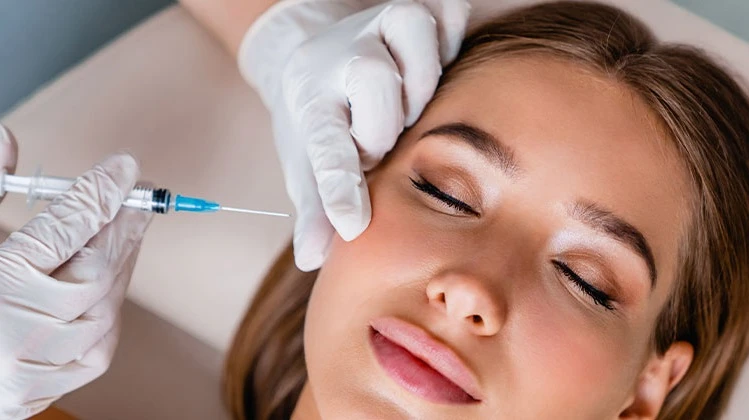
Discover who is an ideal candidate for cosmetic injectables, including suitability, health considerations, benefits, and safety precautions.
Cosmetic injectables are popular non-surgical treatments designed to soften wrinkles, restore facial volume, enhance features, and improve overall skin appearance. However, not everyone is automatically suitable for these procedures. Understanding who makes an appropriate candidate is essential for achieving safe, balanced, and natural-looking results. Exploring الحقن التجميلية في دبي can help patients learn about available treatment options and the importance of professional assessment before choosing a procedure. An ideal candidate generally has realistic expectations, good overall health, and specific aesthetic concerns that can be addressed with injectable treatments. A consultation with a qualified medical professional is necessary to determine whether a particular procedure is appropriate.
People With Specific Aesthetic Concerns:
Cosmetic injectables may be suitable for people who want to address visible signs of ageing or enhance certain facial features without undergoing surgery.
Common concerns include:
-
Fine lines around the eyes and forehead
-
Wrinkles between the eyebrows
-
Loss of facial volume
-
Thin or uneven-looking lips
-
Deep folds around the nose and mouth
-
Reduced skin hydration and elasticity
-
Facial contours that appear less defined
Different injectables address different concerns. Botulinum toxin treatments temporarily relax selected facial muscles to soften expression lines, while dermal fillers add volume to specific areas. Skin boosters may improve hydration and skin quality.
The appropriate treatment depends on the individual's facial structure, skin condition, and desired outcome.
Adults With Realistic Expectations:
A suitable candidate should understand what cosmetic injectables can and cannot achieve. These treatments can improve selected aesthetic concerns, but they do not completely stop ageing or guarantee permanent results.
People who expect subtle improvements and understand that maintenance may be necessary are generally better prepared for treatment.
Realistic expectations include understanding that:
-
Results vary between individuals.
-
Some treatments require time before improvements become visible.
-
Effects are usually temporary.
-
More than one session may be recommended.
-
Injectable treatments cannot replace surgery when significant lifting or structural correction is needed.
A responsible consultation helps establish achievable treatment goals.
Individuals In Good General Health:
Overall health is an important consideration before receiving cosmetic injectables. Patients should share their medical history, existing conditions, allergies, and current medications during their consultation.
Certain health concerns may require additional assessment or make a particular injectable unsuitable.
These may include:
-
Active skin infections or inflammation near the intended injection site
-
Known allergies to ingredients in the selected product
-
Certain neuromuscular conditions, particularly before botulinum toxin treatment
-
Bleeding disorders or medications that increase bleeding risk
-
Certain immune system conditions
-
Previous complications following injectable treatments
Having a medical condition does not automatically mean that every injectable procedure is unsuitable. The treating professional must assess individual risks and determine whether treatment should be postponed or avoided.
People Seeking Non-Surgical Facial Enhancement:
Cosmetic injectables may appeal to adults who want to improve their appearance without undergoing an operation. Most injectable procedures involve small injections and generally require less recovery time than surgical treatments.
They may be considered by individuals who want to soften expression lines, improve facial balance, restore lost volume, or enhance lip shape.
However, non-surgical does not mean risk-free. Swelling, bruising, tenderness, and temporary redness can occur. More serious complications are possible, particularly with dermal fillers. Patients should understand the risks before agreeing to treatment.
Men And Women Interested In Aesthetic Treatments:
Cosmetic injectables can be suitable for both men and women. Treatment planning should be based on individual facial anatomy and aesthetic goals rather than gender alone.
Some men may want to soften forehead lines or improve facial definition while maintaining traditionally masculine features. Some women may prefer subtle lip enhancement, smoother skin, or restored facial volume.
The best approach is a personalized treatment plan that respects natural facial proportions and avoids unnecessary changes.
People Who Are Not Currently Suitable For Treatment:
Some individuals may need to postpone cosmetic injectables or avoid specific products. For example, treatment may not be appropriate when there is an active infection around the injection area or a known allergy to a product ingredient.
Pregnant or breastfeeding individuals are generally advised to postpone elective cosmetic injectable treatments because safety information is limited. Anyone with a relevant medical condition or previous adverse reaction should discuss this before proceeding.
People seeking dramatic or unrealistic changes may also need to reconsider their expectations. A responsible practitioner should explain when injectables are unlikely to achieve the desired outcome and discuss more appropriate alternatives.
Why A Professional Consultation Is Important:
A consultation helps determine whether cosmetic injectables are appropriate for an individual's needs. It should involve an assessment of facial anatomy, skin condition, medical history, previous aesthetic procedures, and treatment expectations.
Patients should discuss:
-
The most suitable injectable product for their concerns
-
Expected results and how long they may last
-
Possible side effects and complications
-
Recovery and aftercare requirements
-
Whether additional sessions may be needed
-
Any medical conditions or medications that could affect treatment
Patients should choose a suitably qualified and licensed medical professional who uses approved products from reliable sources. They should also feel comfortable asking questions and declining treatment if they are uncertain.
How To Prepare Before Cosmetic Injectables:
Preparation can help patients make informed decisions and reduce avoidable complications.
Before treatment, patients should provide complete and accurate medical information. They should mention allergies, previous injections, medications, supplements, and any history of unusual reactions.
They should follow the practitioner's instructions regarding preparation. Patients should not stop prescribed medication without advice from the healthcare professional responsible for their care.
It is also helpful to schedule treatment when there is enough time for possible swelling or bruising to settle before an important event.
After treatment, patients should follow the recommended aftercare instructions and contact their practitioner if they experience unexpected symptoms. Severe pain, unusual skin discoloration, or any change in vision after filler injections requires urgent medical attention.
Frequently Asked Questions:
Can Younger Adults Get Cosmetic Injectables?
Adults who meet the legal age requirements may be considered, depending on their health, concerns, and the treatment requested. A professional assessment is important, and injectables should not be pursued simply because they are popular.
Are Cosmetic Injectables Suitable For Sensitive Skin?
Sensitive skin does not automatically prevent someone from receiving injectables. However, irritation, inflammation, allergies, and existing skin conditions should be assessed before treatment.
Can Someone With Allergies Receive Cosmetic Injectables?
It depends on the type of allergy and the ingredients in the selected product. Patients should disclose all known allergies so the practitioner can evaluate potential risks.
Are Cosmetic Injectables Suitable For First-Time Patients?
They may be suitable for first-time patients who have realistic expectations and are medically appropriate candidates. A consultation can help explain the procedure, expected results, and possible risks.
Can Cosmetic Injectables Be Combined With Other Treatments?
Some injectable procedures may be combined with other aesthetic treatments, but the timing and suitability depend on the products, treatment areas, and individual health factors. A qualified professional should create the treatment plan.
Conclusion:
An ideal candidate for cosmetic injectables is generally a healthy adult with specific aesthetic concerns, realistic expectations, and an understanding of the potential benefits and risks. Suitability varies according to medical history, skin condition, and the chosen product. A professional consultation is the most important step toward making a safe and informed decision.

Comments
Login to Comment