What Is the Ideal Age for Rhinoplasty Surgery?
26 Oct, 2026
11 Views 0 Like(s)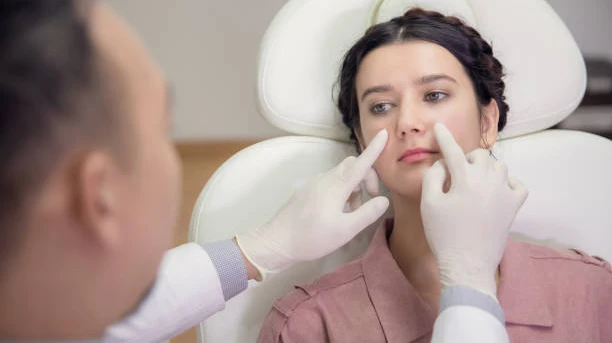
Explore Rhinoplasty in Riyadh to learn how nose surgery can improve facial balance. Understand the procedure, suitable candidates, recovery expectations, and important safety considerations.
Rhinoplasty is a surgical procedure that changes the shape, size, or structure of the nose to address cosmetic concerns or certain breathing problems. One of the most important considerations before surgery is whether the nose and face have finished developing. Understanding the appropriate age for Rhinoplasty in Riyadh (عملية تجميل الانف في الرياض) can help individuals make informed decisions about their appearance, health, and long-term expectations. Although age is an important factor, suitability also depends on physical maturity, general health, and the reasons for considering surgery.
For individuals exploring Rhinoplasty in Riyadh, there is no single ideal age that applies to everyone. Many surgeons recommend waiting until nasal growth is nearly complete before performing elective cosmetic rhinoplasty. This often occurs during the mid-to-late teenage years, although development varies between individuals. Adults may consider surgery at different stages of life, provided they are suitable candidates and understand the potential benefits, limitations, and risks involved.
What Is the Minimum Age for Rhinoplasty?
The minimum age for cosmetic rhinoplasty depends largely on facial development and individual circumstances. In general, surgeons often consider the procedure once the nose has reached sufficient maturity. This may happen around 15 to 16 years of age for many girls and around 16 to 18 years for many boys, although these are approximate ranges rather than strict rules.
Performing cosmetic surgery before nasal growth is complete may affect long-term results as the nose continues to develop. A specialist assesses physical maturity, medical history, emotional readiness, and the individual's reasons for wanting surgery before recommending treatment. For younger patients, appropriate parental or guardian involvement and compliance with applicable consent requirements are also important.
Is the Late Teenage Years a Suitable Time for Rhinoplasty?
The late teenage years may be an appropriate time for rhinoplasty for some individuals because nasal growth is often nearing completion. Teenagers who have a persistent concern about nasal shape or a structural problem may wish to discuss their options with a qualified surgeon.
However, reaching a certain age does not automatically make someone suitable for surgery. The surgeon must assess whether facial development is sufficiently complete and whether the individual has realistic expectations. It is also important that the decision is voluntary and not driven primarily by peer pressure, bullying, or social media trends.
What Is the Ideal Age for Rhinoplasty in Adults?
There is no upper age limit that applies to every adult considering rhinoplasty. People in their twenties, thirties, forties, and beyond may be suitable candidates if they are in appropriate health and have goals that can reasonably be addressed through surgery.
Some adults seek rhinoplasty to refine a feature they have been concerned about for years, while others consider it after changes caused by an injury or previous surgery. The surgeon evaluates overall health, nasal structure, skin characteristics, breathing function, and any medical conditions that could affect anesthesia or recovery.
Rather than focusing only on age, adults should consider whether they are physically prepared for surgery and able to follow postoperative instructions. A detailed consultation helps determine whether rhinoplasty is appropriate at their current stage of life.
Can Rhinoplasty Be Performed Before the Nose Fully Develops?
In certain medical situations, nasal surgery may be considered before full development, but elective cosmetic rhinoplasty is generally delayed until growth is sufficiently complete. Significant nasal injuries or structural problems that interfere with breathing may require earlier specialist assessment.
The recommended treatment depends on the nature and severity of the problem. A specialist may recommend observation, medical treatment, or a carefully selected surgical approach. Early intervention should be based on a clear medical reason rather than appearance alone, and the potential effects on future growth must be considered.
Why Is Emotional Readiness Important?
Age and physical maturity are only part of the decision. Emotional readiness also plays an important role in determining whether someone is prepared for rhinoplasty. Individuals should understand that surgery can improve selected nasal features but cannot guarantee perfection or transform every aspect of their appearance.
A suitable candidate should have personal, realistic goals and understand that swelling can temporarily affect the appearance of the nose during recovery. It is also important to recognize that final results may take many months to develop. Patients should feel comfortable asking questions, considering alternatives, and taking time to make their decision.
What Factors Determine the Right Time for Rhinoplasty?
Several considerations help a surgeon decide whether the timing is appropriate. These include:
Completion of Nasal Growth
The nose should generally have reached sufficient physical maturity before elective cosmetic surgery. A surgeon evaluates development rather than relying on age alone.
Overall Health
Good general health can support safer surgery and recovery. Medical conditions, medications, and other health factors should be reviewed before treatment.
Clear and Realistic Goals
Patients should understand which nasal features may be changed and which limitations may remain. The purpose of surgery should be clearly discussed during consultation.
Understanding Recovery and Risks
Rhinoplasty requires healing time and postoperative care. Possible complications include bleeding, infection, persistent swelling, breathing difficulties, changes in sensation, and dissatisfaction with the result. Some patients may require additional surgery.
Professional Assessment
An experienced, qualified surgeon can assess nasal structure, breathing function, facial development, and individual expectations to help determine the most appropriate timing.
How to Prepare for a Rhinoplasty Consultation
Before a consultation, consider which nasal features concern you most and whether you have any breathing difficulties or a history of nasal injury. Be prepared to discuss your medical history, medications, previous procedures, and expectations.
Your surgeon can explain the available techniques, likely recovery process, possible risks, and whether surgery should be delayed. This discussion allows you to make a well-informed decision without feeling pressured to proceed.
Book Your Consultation at Royal Clinic Saudia
If you are considering Rhinoplasty in Riyadh, Royal Clinic Saudia (عيادات رويال كلينك) can help you explore your concerns and understand whether the timing may be appropriate for your circumstances. Schedule a consultation to discuss nasal development, treatment options, expected recovery, and the factors that influence surgical suitability before making your decision.
FAQs:
At what age can someone usually have cosmetic rhinoplasty?
Cosmetic rhinoplasty is commonly considered once nasal growth is nearly complete, often around 15 to 16 years for girls and 16 to 18 years for boys. These are approximate ranges, and a specialist must assess individual development and suitability.
Is 25 a good age for rhinoplasty?
Yes, many people are physically mature by age 25 and may be suitable candidates. However, overall health, nasal anatomy, expectations, and the surgeon's assessment are more important than age alone.
Can adults over 40 have rhinoplasty?
Adults over 40 may be suitable for rhinoplasty if their health and nasal structure support surgery. A surgeon will review medical history, medications, anesthesia considerations, and recovery factors before making a recommendation.
Should I wait until my nose stops growing before rhinoplasty?
For elective cosmetic rhinoplasty, waiting until nasal growth is sufficiently complete is generally recommended. Earlier surgery may be considered for selected medical or injury-related concerns after specialist evaluation.



Comments
Login to Comment