What happens during an Arm Lift Surgery consultation?
26 Oct, 2026
9 Views 0 Like(s)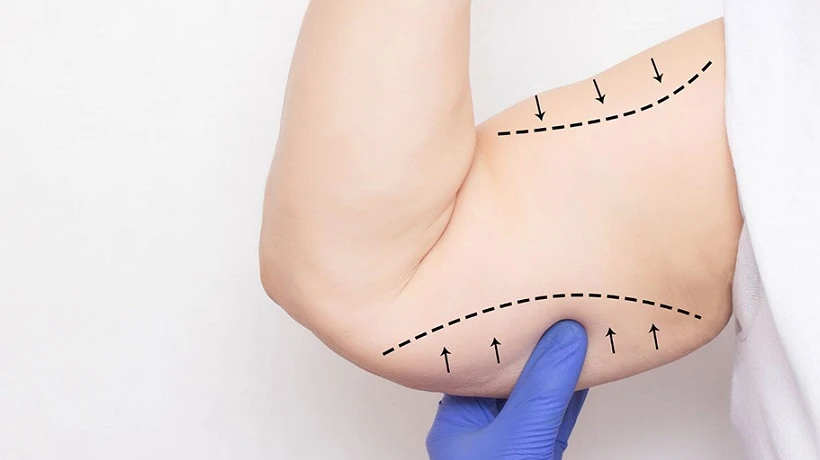
Learn what happens during an Arm Lift Surgery consultation, including medical assessments, surgical planning, potential risks, recovery expectations, and preparation tips.
An Arm Lift Surgery consultation is an important first step in determining whether the procedure is suitable for someone who wants to remove excess skin and improve the shape of the upper arms. During the appointment, a qualified plastic surgeon evaluates the patient's arm contours, reviews their medical history, discusses their aesthetic goals, and explains the available surgical options. People considering عملية شد الذراعين في دبي can use the consultation to understand the potential benefits, limitations, risks, and recovery requirements before making a decision. The assessment is personalised because the amount of loose skin, skin elasticity, and overall health differ from person to person.
What Happens During the Initial Discussion?
The consultation usually begins with a conversation about the patient's concerns and expectations. The surgeon may ask which areas of the arms cause concern, whether the skin has become loose after weight loss, and what kind of improvement the patient hopes to achieve.
Patients should explain whether their main concern is hanging skin, reduced arm definition, localised fullness, or a combination of these factors. The surgeon can then determine whether an arm lift may address the concern or whether another approach should be considered.
This discussion also helps establish realistic expectations. Arm Lift Surgery can remove excess skin and improve contours, but it cannot guarantee perfectly smooth skin or eliminate every irregularity.
How Does the Surgeon Assess the Arms?
A physical examination helps the surgeon understand the location and extent of excess skin and determine which surgical technique may be appropriate.
Evaluating Loose Skin:
The surgeon examines the upper arms, particularly the inner and underside areas where sagging may be most noticeable. The assessment helps determine how much skin may need to be removed and whether the correction should be limited or more extensive.
Assessing Skin Elasticity:
Skin elasticity affects how the remaining tissue may look after surgery. The surgeon considers skin quality, the degree of laxity, and the patient's natural arm shape when planning the procedure.
Checking Fat Distribution:
Some patients have both excess skin and localised fat deposits. The surgeon assesses whether skin removal alone may be appropriate or whether liposuction could be considered alongside the operation.
Liposuction is not suitable for every patient, particularly when substantial loose skin is present. The recommended approach depends on individual anatomy and treatment goals.
What Medical Information Does the Surgeon Review?
A medical history review is essential for assessing surgical safety and planning the procedure. Patients should provide accurate information about their health and any previous treatments.
The surgeon may ask about:
-
Existing medical conditions and previous operations.
-
Current medications, supplements, and allergies.
-
Smoking or nicotine use.
-
Previous problems with wound healing or abnormal scarring.
-
Recent or significant weight changes.
-
Any history of bleeding problems or blood clots.
Some medical conditions or medications may increase surgical risks or affect recovery. The surgeon may recommend additional assessment, changes to the treatment plan, or postponing surgery when necessary. Patients should not stop prescribed medication without medical guidance.
How Is the Surgical Plan Discussed?
After assessing the arms and reviewing the patient's health, the surgeon explains the possible surgical approach.
Choosing the Appropriate Technique:
Some patients may be suitable for a limited arm lift involving excess skin near the armpit. Others may require a more extensive procedure with an incision along the inner or back portion of the upper arm.
The choice depends on the amount and location of loose skin, skin quality, and the degree of correction required.
Explaining Incision Placement and Scars:
The surgeon discusses where the incision is likely to be placed and how much scarring may result. Scars are an expected part of Arm Lift Surgery, and their length and visibility depend on the technique and individual healing.
Patients should ask about scar care and the factors that may influence scar appearance during recovery.
Discussing Anaesthesia and Procedure Time:
The consultation also covers the type of anaesthesia, expected operating time, and whether the patient may return home the same day or require further observation. These details depend on the surgical plan and individual medical circumstances.
What Risks and Recovery Requirements Are Explained?
An informed consultation includes a discussion of potential complications and the recovery process. Possible risks of Arm Lift Surgery include infection, bleeding, fluid accumulation, delayed wound healing, changes in sensation, asymmetry, and noticeable scarring.
The surgeon explains what to expect after surgery, including swelling, bruising, discomfort, wound care, and temporary restrictions on lifting or strenuous activity.
Patients should also understand the importance of follow-up appointments and know whom to contact if unexpected symptoms develop. Having clear instructions before surgery helps patients prepare for recovery.
What Questions Should You Ask During the Consultation?
Preparing questions can help patients make a more informed decision. Useful questions include:
-
Am I a suitable candidate for Arm Lift Surgery?
-
Which surgical technique would you recommend, and why?
-
Where will the incisions and scars be located?
-
What results are realistic for my arm shape and skin condition?
-
What complications should I understand before proceeding?
-
How long might I need away from work and exercise?
-
What aftercare and follow-up appointments will be required?
-
Are there alternative treatments that may suit my concerns?
Patients should feel comfortable asking for clarification and taking time to consider their options before agreeing to surgery.
What Happens After the Consultation?
After the assessment, the surgeon may recommend proceeding with surgery, considering an alternative, or addressing certain health factors before making a final decision.
If the patient is considered suitable and wishes to proceed, the next steps may include preoperative checks, instructions about medications and fasting, and scheduling the operation. The surgeon may also explain how to prepare the home environment and arrange assistance during the early recovery period.
There is no obligation to proceed immediately. Patients should have enough information to make a decision that reflects their goals, health, and comfort with the risks.
Frequently Asked Questions:
How long does an Arm Lift Surgery consultation take?
The appointment length varies according to the complexity of the assessment and the patient's questions. Additional investigations or preoperative appointments may be arranged if needed.
Is the consultation painful?
The consultation is generally not painful. It usually involves a discussion of medical history and a physical examination of the upper arms.
Should I prepare anything before the consultation?
Bring a list of current medications, supplements, allergies, relevant medical conditions, and previous procedures. It may also help to write down your goals and questions.
Will the surgeon decide immediately if I can have surgery?
The surgeon may provide an initial opinion during the appointment, but additional medical information or tests may be required before confirming suitability.
Can I discuss non-surgical alternatives?
Yes. Patients can ask whether non-surgical treatments may help with their concerns. These options may offer limited improvement for mild laxity, while significant excess skin often requires surgical removal for a substantial change.
Conclusion:
An Arm Lift Surgery consultation includes a discussion of treatment goals, a physical assessment of the arms, a review of medical history, and an explanation of surgical techniques, scars, risks, and recovery. It allows the surgeon to determine whether the procedure is appropriate and helps the patient develop realistic expectations. Preparing questions and sharing accurate health information can make the appointment more useful. A thorough consultation supports an informed decision about whether Arm Lift Surgery aligns with the patient's needs and goals.



Comments
Login to Comment