What Is an Atal Tinkering Lab and How Does It Work?
03 Aug, 2026
769 Views 0 Like(s)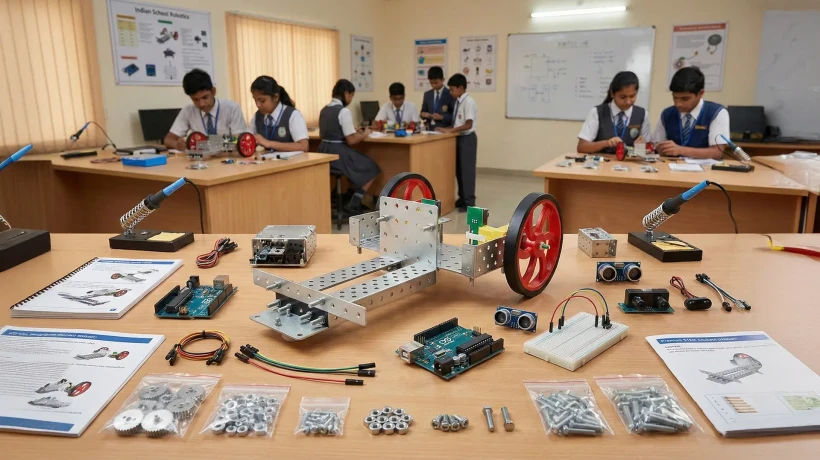
Across more than 700 districts in India, students are now walking into rooms that look nothing like a normal classroom. An Atal tinkering lab is a hands-on space where young learners design
Across more than 700 districts in India, students are now walking into rooms that look nothing like a normal classroom. An Atal tinkering lab is a hands-on space where young learners design, build and repair their own projects instead of only reading about how things work. The pull is easy to understand. Children remember far more when they get to hold a wire, print a part or watch an idea move. That small change turns a shy first attempt into real curiosity.
A Room Built for Trying Things
The heart of it is freedom to experiment. A stem tinkering lab gives students permission to make something, watch it fail and fix it without any fear of a red mark. Work usually happens in small teams, so a quiet child often finds a role that suits them. There is no single right answer here, only better attempts. That relaxed, playful setting is what keeps students coming back week after week.
Where the Programme Comes From
This is not a one-off school project. Every Atal tinkering lab sits under the Atal Innovation Mission, run by NITI Aayog to spark early innovation. Schools that qualify receive grant support to build the space, buy tools and train their teachers. Both government and private schools may apply, which spreads the chance widely. The mission wants young minds to solve real problems, so the focus stays on thinking and making rather than marks.
How a School Gets Started
Getting one running follows a clear path. A school applies through the official mission, and once selected, it plans the layout and orders equipment. A teacher is chosen as the in-charge to guide sessions and keep things organised. Training follows, so staff feel ready rather than nervous. After that, the lab is folded into weekly timetables, so every student gets regular turns instead of the odd visit.
The Tools That Bring It Alive
Step inside an ATL tinkering lab and the shelves tell the story. You will find robotics kits, 3D printers, sensors, small circuit boards and heaps of building material. Younger children start with safe, simple sets, while seniors move on to coding and sturdier machines. The gear is picked so skills build in stages. Nothing feels out of reach, and each new tool opens the door to a slightly bigger idea.
What Students Walk Away With
The benefits reach well past a single project. A well-run stem tinkering lab quietly teaches planning, teamwork and steady problem solving. Students learn to break a big task into small steps and to stay calm when a first try flops. Many schools notice sharper questions and stronger participation soon after. Those habits follow learners into higher classes and, later, into work that rewards people who like to build.
Conclusion
An ATL tinkering lab does something impactful. It makes learning feel like play while still teaching serious skills. Curiosity, patience and confidence all grow in the same busy room. RoboSpecies helps schools plan the space, supply dependable kits and train teachers so the lab runs smoothly from day one. With the right setup and steady guidance, any school can hand its students a genuine head start.


Comments
Login to Comment