What Is a Rejuvenating Skin Treatment? Everything You Need to Know
11 Mar, 2026
5399 Views 0 Like(s)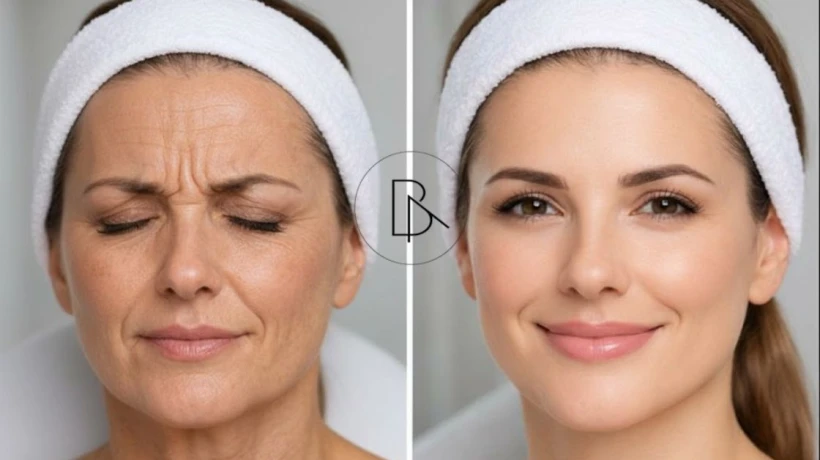
In the modern beauty landscape, glow has become a somewhat hollow buzzword. You can achieve a temporary glow with a heavy moisturizer or a quick workout. However, a genuine rejuvenating skin treatment is an entirely different category of care. It is not about a superficial sheen; it is a biological intervention. It is the functional difference between washing a car and taking it in for a complete engine rebuild.
When we discuss rejuvenation, we are talking about fundamentally changing how skin cells behave. Whether you are hunting for the most effective skin treatments in NYC to offset the grit of metropolitan life or you are simply tired of seeing a duller version of yourself in the mirror, it helps to understand the reality of what these clinical procedures actually do.
The Biology of the Bounce: Why Skin Slumps
To understand rejuvenation, you must first understand why skin breaks in the first place. Every face has two primary antagonists: time intrinsic aging and the environment extrinsic aging.
For anyone living in a vertical forest of glass and steel, the environment is a massive variable. Pollutants, microscopic soot and UV rays bouncing off skyscrapers create oxidative stress. This stress physically shreds your collagen the protein fibers that prevent your skin from succumbing to gravity. By the time you reach your thirties, your body’s natural collagen factory begins to reduce its output by approximately 1% every year. This decline is the primary culprit behind a loss of firmness, leading many to seek out rejuvenation treatments that actually tighten the skin rather than just smoothing the surface.
Simultaneously, your rate of cellular turnover slows down significantly. In your youth, your skin replaces its entire surface layer roughly every month. As an adult, those dead cells cling to the surface longer, trapping oil and scattering light in a way that makes the complexion look perpetually exhausted. Rejuvenation is the process of forced eviction for those dead cells and a get back to work order for your underlying collagen.
The Heavy Hitters: Which Treatments Actually Work?

The aesthetic industry has moved past the era of the frozen or overfilled look. Today, the gold standard is movement, texture and light reflection. Here are the modalities currently leading the field in clinical efficacy:
1. Energy-Based Resurfacing
Lasers like the Fractional CO2 or Erbium remain the big guns of the industry. They function by creating thousands of controlled, microscopic columns of heat damage in the dermis. Your body perceives this as a localized crisis and rushes to the scene with fresh collagen and elastin. If you are dealing with deep acne scarring or significant sun damage from years of outdoor exposure, this is usually the most transformative path.
2. RF Microneedling
This is the current darling of the rejuvenating skin treatment in NYC circuit because it offers a snatched or contoured look without the lengthy downtime of a full laser peel. By combining physical micro-needles with Radiofrequency (RF) heat, the device tightens the skin from the inside out. It is particularly effective for addressing the early signs of laxity around the jawline and neck, where skin tends to thin out first.
3. Biostimulators (The Long Game)
We are seeing a massive cultural shift away from traditional filler that simply takes up space. Modern practitioners are increasingly using biostimulators like Sculptra or Radiesse. These injectables act as a biological signal that instructs your body to grow its own natural tissue. While it takes several months to see the final result, the outcome is incredibly natural because it is your own collagen providing the volume, not a synthetic gel.
4. Professional-Grade Chemical Peels
Do not confuse these with the gentle fruit enzymes found at a local drugstore. Medical-grade peels using TCA Trichloroacetic Acid or Phenol are designed to physically shed the damaged top layers of the epidermis. This is often the fastest way to reset stubborn hyperpigmentation and sun spots that have been lingering for years, providing a clear canvas for further treatments.
The NYC Factor: Treating Skin in the City
There is a specific type of wear and tear that comes with metropolitan life. Between the "urban heat island" effect and the constant exposure to blue light and smog, skin in New York tends to be more reactive and prone to chronic inflammation.
When searching for skin treatments in NYC, the lunchtime procedure is king. High-performing New Yorkers rarely have ten days to hide at home while their skin peels off in sheets. This demand has accelerated the development of fractionated technology treatments that leave tiny bridges of untouched skin to help the treated areas heal in a matter of hours or days rather than weeks.
However, a word of caution regarding the density of the market: the sheer number of clinics in Manhattan and Brooklyn means you must be discerning. A rejuvenating facial at a standard salon is not a clinical rejuvenation treatment. You should prioritize board-certified dermatologists or high-end medical aesthetics practices that house multi-million dollar laser suites. You want a provider who understands the nuances of Fitzpatrick scales the system used to ensure lasers don't cause pigment damage on darker skin tones.
Setting the Record Straight on Recovery
There is a persistent myth that you will walk out of a rejuvenation appointment looking like a different person or a surgical patient. In reality, modern recovery is much more manageable.
-
The 24-Hour Mark: Expect some mild redness and a hot sensation, very similar to the feeling of a mild sunburn.
-
The 72-Hour Mark: This is often when a sandpaper texture kicks in. This isn't a bad sign; it is your skin physically pushing out old, damaged cells to make room for the new ones.
-
The 30-Day Mark: This is when the visual magic starts. Because collagen takes time to weave itself into the dermis, you won’t see the peak glow and firmness until about a month after your initial session.
Clinical rejuvenation is a cumulative process. Most people see the most dramatic, long-lasting results after a series of three to five sessions spaced a few weeks apart. It is a marathon for your cells, not a sprint for your social calendar.
Protecting Your Investment
If you are going to invest the capital and time into a professional rejuvenating skin treatment, you cannot treat your post-procedure care as an afterthought. You are essentially paying for new skin and that skin needs to be guarded.
If you go outside without a broad-spectrum SPF, even the most expensive laser treatment won't save your skin. New skin is more susceptible to rebound pigmentation, when the sun returns dark spots faster. Consider post-care the retainer you wear after removing your braces. You need medical-grade antioxidants to eliminate city radicals and a steady retinoid to maintain youthful cellular turnover between sessions.
Comments
Login to Comment