What aftercare is needed after earlobe reduction?
14 Sep, 2026
2 Views 0 Like(s)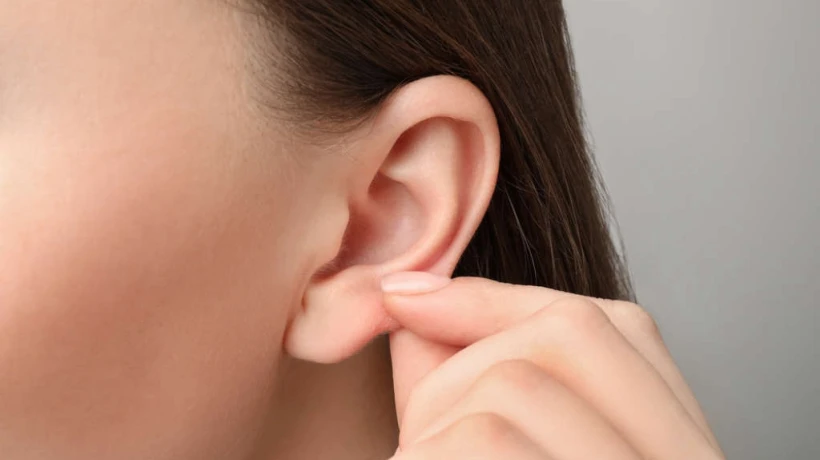
Proper aftercare after earlobe reduction includes keeping the incision clean, avoiding pressure and heavy earrings, following wound-care instructions, attending follow-up appointments, and waiting until complete healing before re-piercing the ears.
Proper aftercare after earlobe reduction is important for supporting healing, protecting the incision, and achieving a natural-looking result. The procedure usually involves removing a small amount of excess tissue and reshaping the earlobe with fine sutures. Although it is generally a minor surgical procedure, the treated area needs time and care to heal properly. People considering تصغير شحمة الأذن في دبي should follow the instructions provided by their qualified plastic surgeon and attend any recommended follow-up appointments.
Keep The Incision Clean:
One of the most important aftercare steps is keeping the incision clean. The surgeon may provide specific instructions about cleaning the area, changing dressings, and applying any recommended ointment.
Patients should wash their hands before touching the treated area. The incision should not be rubbed, scratched, or handled unnecessarily. Cleaning should be gentle, and only products recommended by the healthcare professional should be used.
Avoid applying makeup, perfumes, hair products, or other cosmetic products directly around the incision unless the surgeon confirms that they are safe. Unapproved products may irritate the skin or increase the risk of infection.
Protect The Treated Earlobes:
The earlobes may feel tender, swollen, or sensitive during the first few days after surgery. Avoid activities that place pressure or tension on the treated area.
Patients should be careful when:
- Sleeping on their side
- Wearing headphones or tight headwear
- Pulling clothing over the head
- Brushing or styling their hair
- Touching the ears
- Wearing glasses or accessories that press against the ears
Sleeping with the head slightly elevated may help reduce swelling. If side sleeping causes pressure on the earlobes, sleeping on the back may be more comfortable during the early healing period.
Manage Swelling And Discomfort:
Mild swelling, bruising, tightness, and tenderness are common after earlobe reduction. These effects usually improve gradually as healing progresses.
A cold compress may help reduce swelling when used according to the surgeon’s instructions. The compress should be wrapped in a clean cloth and should not be placed directly against the incision. Excessive cold or prolonged pressure may damage the skin.
If medication is prescribed, take it exactly as directed. Do not use additional medicines, creams, or supplements without asking the healthcare professional, particularly products that may increase bleeding.
Avoid Heavy Earrings:
Heavy earrings should be avoided during recovery because they can place pressure on the healing tissue and may stretch or reopen the incision.
Patients should also avoid hoops, dangling earrings, and other jewellery that may catch on clothing or hair. Even lightweight earrings should not be worn until the surgeon confirms that the earlobes have healed sufficiently.
Re-piercing should be delayed until the tissue is fully healed. The surgeon can recommend an appropriate waiting period and may advise where a new piercing should be placed to protect the repaired tissue.
Follow Wound-Care Instructions:
The surgeon may use sutures, small dressings, or adhesive strips to protect the incision. These should be managed according to the instructions provided.
Do not remove sutures, adhesive strips, or dressings yourself unless the healthcare professional has advised you to do so. Some sutures dissolve naturally, while others may need to be removed during a follow-up visit.
Patients should avoid picking at scabs or pulling on the wound. Allowing the incision to heal without unnecessary interference can help reduce irritation and support better scar formation.
Avoid Swimming And Contaminated Water:
Swimming pools, hot tubs, lakes, and other bodies of water may expose the healing incision to bacteria and irritation. Avoid swimming until the surgeon confirms that the wound has healed enough.
Bathing instructions may vary. In some cases, showering is permitted after a certain period, but soaking the ears should be avoided during early recovery. Always follow the specific advice provided by the surgical team.
Limit Activities That May Cause Injury:
Most people can return to light daily activities relatively quickly, but strenuous exercise and contact activities may need to be limited temporarily.
Avoid activities that may cause sweating, friction, impact, or accidental pulling of the earlobes. Contact sports should be avoided until the surgeon confirms that the tissue is strong enough.
Patients should also take care when using helmets, tight headbands, or other equipment that may press against the ears.
Attend Follow-Up Appointments:
Follow-up appointments allow the surgeon to check healing, assess the incision, and identify any early complications. The provider may examine swelling, scar formation, earlobe shape, and symmetry.
If non-dissolving sutures were used, they may be removed during a follow-up appointment. The surgeon can also advise when it is safe to resume normal activities, wear earrings, use skincare products, or consider re-piercing.
Even if the earlobes appear to be healing well, follow-up care should not be skipped.
Protect The Scar From Sun Exposure:
Once the incision has closed and the surgeon confirms that the area is healed, sun protection may help reduce the chance of the scar becoming darker or more noticeable.
Patients should avoid applying sunscreen directly to an open wound. After healing, a suitable sunscreen or protective method may be recommended. Hats or shade can also help protect the area from direct sunlight.
Scar-care products should only be used when approved by the healthcare professional.
Recognise Warning Signs:
Some discomfort is expected, but certain symptoms may indicate a complication. Contact the surgeon if you notice:
- Increasing redness around the incision
- Severe or worsening pain
- Significant swelling
- Pus or unusual discharge
- Fever
- Persistent bleeding
- Wound separation
- Skin colour changes
- Numbness that does not improve
Sudden breathing difficulty, severe allergic symptoms, or other emergency signs require immediate medical attention.
Frequently Asked Questions:
How long does earlobe reduction take to heal?
Initial healing often occurs over several weeks, although the exact timeline depends on the procedure and individual recovery. The final appearance may take longer to settle.
Can I sleep on my side after surgery?
Side sleeping may place pressure on the earlobes. Sleeping on the back may be more comfortable until the surgeon confirms that side sleeping is safe.
When can I wear earrings again?
Earrings should be avoided until the earlobes have healed and the surgeon gives approval. Heavy earrings may need to be avoided for longer.
Can I wash my hair after earlobe reduction?
Hair washing may be possible after a short period, but the timing depends on the incision and dressing. Follow the instructions provided by the surgical team.
When can I re-pierce my ears?
Re-piercing should only be considered after complete healing and with the surgeon’s approval. Piercing too soon may damage the repaired tissue.
Conclusion:
Aftercare following earlobe reduction includes keeping the incision clean, protecting the ears from pressure and injury, managing swelling, avoiding heavy earrings, and following wound-care instructions. Patients should also avoid swimming until healing is sufficient, attend follow-up appointments, and report unusual symptoms promptly. Careful aftercare supports proper healing and helps protect the shape and appearance of the treated earlobes.
Comments
Login to Comment