Valley of Flowers Best Time to Visit: Plan It Right
23 Jan, 2026
9649 Views 0 Like(s)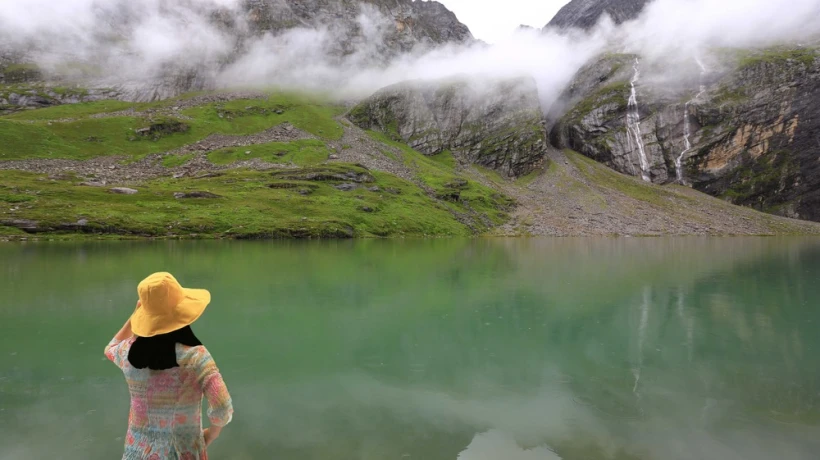
Valley of Flowers Best Time to Visit: Plan It Right
If you’re planning a trip to the Valley of Flowers, timing is everything. I’ve learned this the hard way—reach too early and the valley looks bare, reach too late and the blooms are already fading. This guide is straight to the point, based on real trekking conditions, not fluff. If you plan it right, the Valley of Flowers will feel unreal, like walking through a living painting.
Let’s get into it.
Best Time to Visit Valley of Flowers (Month-by-Month Reality)
Mid-July to Mid-August: The Absolute Best Time

If you ask me for one clear answer, this is it.
Mid-July to mid-August is the peak bloom season. This is when the valley is fully alive—thousands of alpine flowers spread across green meadows, clouds drifting low, and waterfalls everywhere thanks to the monsoon. You’ll see blue poppies, cobra lilies, primulas, daisies, and dozens of flowers you can’t name but won’t forget.
Yes, it rains. Yes, trails can be muddy. But this is the price of beauty here. Without rain, there are no flowers. The temperature stays comfortable, usually between 10°C and 20°C, making trekking manageable.
If flowers are your main reason for coming—and let’s be honest, they should be—this is the window you should lock in.
Late June to Early July: Green but Not Fully Bloomed
This period is good, but not perfect.
The valley opens in June after months of snow. Early June still has patches of snow, and most flowers haven’t bloomed yet. By late June and early July, the snow melts, greenery takes over, and the first batch of flowers starts appearing.
If you prefer fewer crowds and don’t mind seeing a partially bloomed valley, this time works. Personally, I see this phase as the valley warming up before its grand performance.
Late August to Early September: Fading Blooms, Golden Landscapes
By late August, the valley begins to change character.
Most flowers start fading, but the landscape turns golden-green and peaceful. Fewer trekkers, quieter trails, and clearer skies make this period ideal if you enjoy solitude more than flowers. Wildlife sightings are also more common around this time.
However, if you’re visiting specifically for the iconic floral carpet, this is slightly late.
When You Should NOT Visit
-
Before June: Valley remains closed due to heavy snow
-
After September: No flowers, cold weather, and access becomes limited
-
Winter months: Completely inaccessible
Timing is non-negotiable here.
Weather Conditions You Should Actually Expect
Let me be honest—Valley of Flowers is not a “perfect weather” destination.
-
Rain: Frequent during peak season
-
Fog: Comes and goes quickly
-
Temperature: Pleasant during the day, cold at night
-
Trail Conditions: Slippery but manageable with good shoes
If you’re expecting clear skies every day, you’ll be disappointed. If you’re okay with unpredictable mountain weather, you’ll love every step.
Why Planning Matters More Than Fitness
This trek is not technically difficult, but poor planning ruins experiences.
You need:
-
Correct trekking dates
-
Buffer days for weather delays
-
Proper permits
-
Accommodation planning in Govindghat or Ghangaria
I’ve seen people rush the trek and miss the best bloom days by just two days. That hurts more than sore legs.
This is where having people who actually understand the valley helps. I noticed this while trekking alongside a group coordinated by The Searching Souls. There was no sales pitch, no rush—just clear planning, proper acclimatization, and realistic expectations. For anyone quietly researching a valley of flowers trek package, this kind of grounded approach makes the experience feel less like a commercial checklist and more like being guided by people who genuinely respect the mountains.
Best Time for Photography
If photography is your goal, aim for:
-
Late July mornings (soft light + fresh blooms)
-
Post-rain moments when clouds lift suddenly
-
Macro shots during peak bloom weeks
Flowers look freshest right after light rainfall. Carry rain protection for your camera—this is not optional.
Crowd Levels: What No One Tells You
-
Weekends in July–August: Busy
-
Weekdays: Surprisingly peaceful
-
Early mornings: Almost empty valley
Start early. Most people arrive late morning and leave early afternoon. The valley feels completely different before 9 AM.
Is the Valley of Flowers Worth Visiting Every Year?
Absolutely—because it never looks the same twice.
Different flowers dominate in different years depending on rainfall and temperature. One year it’s blue poppies everywhere; another year it’s pink and yellow carpets. That unpredictability is the magic.
Quick Planning Summary (No Overthinking)
-
Best time overall: Mid-July to Mid-August
-
Best for fewer crowds: Early July or late August
-
Best for flowers + photos: Late July
-
Avoid: Before June and after September
Plan your dates around the flowers, not convenience.
Final Thoughts
The Valley of Flowers isn’t about ticking off a destination. It’s about being at the right place at the right time. When you plan it right, the valley doesn’t just look beautiful—it feels alive.
If you’re serious about experiencing it the way it’s meant to be, focus on timing, stay flexible with weather, and move with people who respect the mountains rather than rushing through them. That approach makes all the difference.



Comments
Login to Comment