Understanding PCB Manufacturing Assembly: A Complete Overview
14 Apr, 2026
2187 Views 0 Like(s)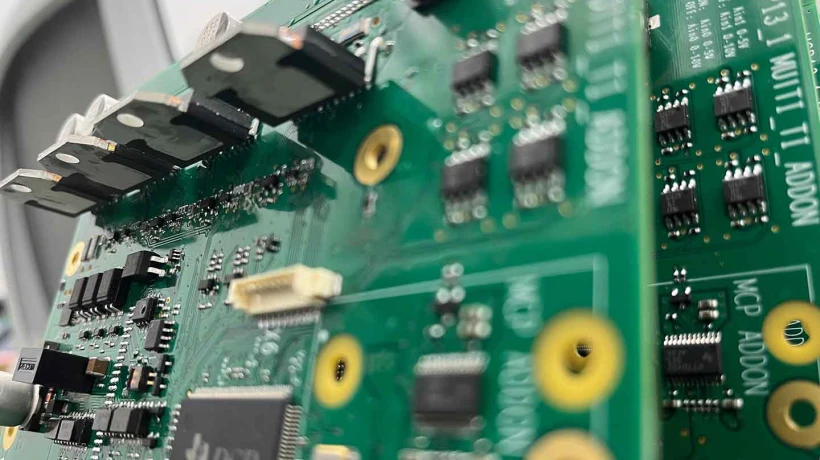
Efficient work brings many gains. It cuts waste and saves time. It helps products reach people faster. Fast processes support business growth and customer satisfaction levels.
Printed circuit boards power many devices used each day. Phones, toys, and machines all use these boards to move signals and energy. PCB manufacturing assembly drives this process, where a simple plan grows into a working board. This guide shows each step in a clear and lively way so young readers can follow and enjoy the journey. These ideas help learners grasp basics in fun ways.
What Is PCB Manufacturing Assembly?
PCB manufacturing assembly blends two main actions. First, makers shape the board. Next, they place and fix small parts onto it. These parts help the board think and act. Each step needs care because even a tiny slip can stop the board from working. Clear steps make learning easy and simple for all.
Engineers sketch a bright plan that shows where each part will sit. This plan guides machines and workers. As a result, the board builds paths that carry signals across every part. Good planning builds strong and steady working boards.
Key Stages In The Process
-
Design And Layout
The journey begins with design. Engineers craft a smart plan using tools. They draw lines that guide power. They mark clear spots for each part. A strong plan stops errors and saves time. Smart ideas help the board work without any trouble.
Teams test the plan with digital checks. These checks catch faults early. This step keeps the process smooth and neat. Early checks stop bigger problems from growing later.
-
PCB Fabrication
Next, the board takes shape. Makers choose strong materials like fibreglass and copper. They stack layers to build the base. Machines carve neat patterns that match the plan. Each layer adds strength and helps signals move safely.
Workers drill tiny holes for parts and links. They coat the board to guard it from heat and dust. Now the board looks ready, but it still waits for parts. This stage prepares the board for the next big step.
-
Component Placement
Machines now place small parts onto the board. These machines move fast and set each piece with sharp care. Every part lands in the right place. Accurate placement keeps the board working in perfect order.
Two ways guide this step. Surface mount sets parts on top. Through-hole pushes parts into holes. Both ways help different designs work well. Each method suits different needs and board designs well.
-
Soldering Process
Soldering locks the parts in place. Heat melts a soft metal that binds parts to the board. This bond lets signals flow and keeps parts steady. Strong joints ensure long life and smooth performance always.
Machines use ovens for surface parts. Workers use tools for other parts. Strong joints help the board last longer and work well. Good bonding stops parts from moving or breaking easily.
-
Testing and Inspection
After assembly, the board faces tests. Engineers check each path and part. They use tools to find faults and fix them fast. Careful checks make sure the board works as planned.
They also scan the board with their eyes to spot loose parts. Tests prove the board works as planned. This step ensures good quality. Final checks confirm safety and strong working performance.
The Importance Of Quality Control
Quality control guards the process. In PCB manufacturing in Singapore, teams follow strict checks. These checks reduce faults and boost life. Strong control keeps the process safe and highly reliable.
Workers train well and use smart tools. They watch each step with care. As a result, boards stay strong and work in many conditions. Skilled teams ensure high quality in every finished board.
Common Types of PCB Assembly
Different devices need different boards. Each type serves a special role. Each board type supports unique functions and device needs.
-
Single-Sided PCB
This board holds parts on one side. It suits simple devices and keeps things easy. Simple design helps quick use and easy repairs.
-
Double-Sided PCB
This board holds parts on both sides. It supports more complex designs and adds power. Extra space allows for more parts and better performance overall.
-
Multi-Layer PCB
This board has many layers. It fits advanced devices that need speed and a small size. Multiple layers support fast signals, and compact device builds.
Each type needs care during assembly. The right choice helps the device work well. The correct choice improves efficiency and ensures better product results.
Challenges in PCB Manufacturing Assembly
This process holds many tiny details, so challenges appear. Small parts need exact placement. Even a tiny shift can cause faults. Precision helps avoid issues and keeps systems running smoothly.
Heat during soldering needs to be balanced. Too much heat harms parts. Too little heat weakens joints. Engineers adjust heat to get strong bonds. The right heat levels ensure parts stay safe and secure.
Supply delays can slow work. Missing parts stop the process. Teams plan to avoid such problems. Planning reduces risk and keeps production moving forward.
Role Of Technology In Modern PCB Assembly
Technology shapes this field. Fast machines place parts with sharp skill. Smart tools help design better boards and catch faults early. Modern tools improve speed and reduce the chances of human error.
Automation cuts errors and lifts speed. Skilled workers guide machines and handle tough steps. This mix ensures strong results. Balanced systems bring both speed and careful human control.
In PCB manufacturing in Singapore, many sites use new tools. These tools raise speed and keep quality steady. Advanced systems help maintain high standards in production lines.
Benefits Of Efficient PCB Manufacturing
Efficient work brings many gains. It cuts waste and saves time. It helps products reach people faster. Fast processes support business growth and customer satisfaction levels.
Strong boards boost device life. They reduce repair needs and build trust. Good assembly brings smooth results for all. Reliable boards ensure long use and fewer product failures.
Conclusion
Each board tells a story of care and skill. From design to test, each step shapes the final result. Clear plans, sharp tools, and careful checks build strong boards. Every stage plays a key role in success.
With rising demand, PCB manufacturing in Singapore grows and meets global needs. This process keeps devices running and supports daily life. Growth in demand drives constant improvement and innovation forward.
FAQs
What Does PCB Manufacturing Assembly Include?
It includes design, board making, part placement, soldering, and testing. These steps ensure the board works safely and correctly.
Why Is Quality Control Important In PCB Assembly?
It ensures the board works well and lasts long without faults. Good quality prevents damage and improves device performance greatly.
What Materials Are Used In PCB Fabrication?
Makers use fibreglass, copper, and coatings to build strong boards. These materials provide strength and support smooth electrical flow.
How Does Technology Improve PCB Manufacturing?
Smart machines and tools boost speed, improve accuracy, and reduce errors. Technology helps create better boards with faster production speed.
Comments
Login to Comment