Towing Service in Fairburn, GA: The Complete Guide
08 Aug, 2026
705 Views 0 Like(s)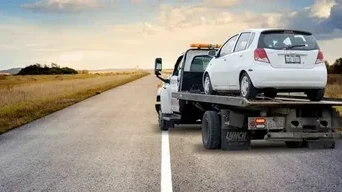
This guide walks through everything residents and visitors in Fairburn, Georgia need to know about towing services — what they do, when you need one, how to choose the right company, and how to make the entire process as smooth as possible.
Getting stranded on the side of the road is one of those experiences nobody plans for, yet almost everyone eventually faces. Whether it's a flat tire on Highway 74, a dead battery in a parking lot off Senoia Road, or a fender bender near the Fairburn city limits, having a dependable towing service on speed dial can turn a stressful situation into a manageable inconvenience. This guide walks through everything residents and visitors in Fairburn, Georgia need to know about towing services — what they do, when you need one, how to choose the right company, and how to make the entire process as smooth as possible.
What Is a Towing Service, Exactly?
At its core, a towing service is a company that transports disabled, damaged, illegally parked, or otherwise immobile vehicles from one location to another. But that simple definition undersells just how broad the towing industry actually is. Modern towing companies in and around Fairburn typically offer a range of services that go well beyond simply hooking a chain to a bumper and dragging a car away.
These services usually include:
- Light-duty towing for sedans, coupes, and small SUVs
- Medium-duty towing for larger trucks, vans, and light commercial vehicles
- Heavy-duty towing for tractor-trailers, buses, and industrial equipment
- Flatbed towing, which is often preferred for newer vehicles, all-wheel-drive cars, and vehicles with damage that makes wheel-lift towing risky
- Wheel-lift towing, a quicker method suited for shorter tows and vehicles in good mechanical condition
- Roadside assistance, including jump-starts, tire changes, fuel delivery, and lockout services
- Accident recovery, which involves clearing wrecked vehicles from roadways, often in coordination with local police
- Winching and off-road recovery for vehicles stuck in ditches, mud, or other difficult terrain
- Long-distance towing for vehicle relocation, dealership transfers, or auto transport across state lines
Understanding this range matters because not every towing company offers every service, and not every situation calls for the same type of tow. A company that specializes in heavy-duty commercial towing might not be the fastest option if you just need a jump-start in a grocery store parking lot.
Why Fairburn Drivers Need a Reliable Towing Option
Fairburn sits in the southwestern part of the Atlanta metro area, in Fulton County, with quick access to I-85, Highway 74, and Highway 29. That means local traffic is a mix of neighborhood streets, commercial corridors, and high-speed highway access points each with its own risk profile for breakdowns and accidents.
A few local factors make towing service particularly relevant for the area:
Proximity to Hartsfield-Jackson Atlanta International Airport. Fairburn's location near one of the busiest airports in the world means a steady flow of travelers, rideshare drivers, and airport employees passing through. Vehicle trouble near the airport corridor can be especially stressful given time-sensitive flight schedules.
Highway access and higher speeds. Sections of I-85 near Fairburn see fast-moving traffic, and breakdowns or accidents in these areas require towing companies that can respond quickly and work safely alongside high-speed lanes.
A mix of older and newer vehicle fleets. Like much of the greater Atlanta area, Fairburn has a wide range of vehicle ages on the road, from brand-new EVs to vehicles well past 150,000 miles. Older vehicles tend to experience more mechanical breakdowns, while newer vehicles especially those with all-wheel drive or low ground clearance — often require flatbed towing to avoid drivetrain damage.
Weather variability. Georgia's climate brings heavy summer thunderstorms, occasional winter ice, and everything in between. Sudden weather changes contribute to accidents and breakdowns, particularly hydroplaning incidents during downpours.
Common Situations That Require Towing
It helps to know, in advance, what kinds of situations typically end with a call to a towing company. Recognizing these scenarios early can help you decide whether you need immediate emergency towing or whether a scheduled tow will do.
Mechanical Breakdowns
Engine failure, transmission issues, overheating, and electrical problems are among the most common reasons vehicles need towing. Many of these issues give warning signs — a check engine light, unusual noises, or a rising temperature gauge — but they can also happen suddenly.
Flat Tires Without a Spare
Not every car comes with a full-size spare anymore, and even those that do sometimes have a spare that's also flat or the driver may lack the tools or confidence to change it, especially on the shoulder of a busy road.
Dead Batteries
A dead battery is one of the most frequent roadside issues. While many towing companies offer jump-start services on-site, sometimes the battery is beyond a simple jump and the vehicle needs to be towed to a shop.
Accidents and Collisions
After a collision, vehicles are frequently undrivable due to structural damage, blown tires, or fluid leaks. In these cases, towing isn't optional — it's often required by law enforcement to clear the scene safely.
Vehicles Stuck Off-Road or in Ditches
Heavy rain, unfamiliar roads, or simple driver error can leave a vehicle stuck in a ditch, mud, or soft shoulder. This typically requires winching equipment rather than a standard tow hookup.
Illegally Parked or Abandoned Vehicles
Property owners and municipalities sometimes need vehicles towed for parking violations or abandonment, which is a different (and more regulated) category of towing service.
Lockouts
While not technically a "tow," many towing companies also offer lockout assistance, helping drivers who have locked their keys inside their vehicle.
How to Choose a Towing Company in Fairburn
With multiple towing providers serving the Fairburn area, choosing the right one can feel overwhelming, especially if you're making the decision under stress. Here are the factors that matter most.
1. Response Time
When you're stranded, minutes matter — especially if you're in an unsafe location like a highway shoulder. Ask about average response times, and if possible, choose a company known for fast dispatch in your specific area of Fairburn.
2. Licensing and Insurance
A legitimate towing company should be properly licensed to operate in Georgia and carry adequate insurance to cover any damage that might occur during the tow. Don't hesitate to ask for proof of insurance, especially for higher-value vehicles.
3. Transparent Pricing
Towing costs can vary based on distance, vehicle size, time of day, and the type of tow required. Reputable companies provide upfront pricing or a clear explanation of how costs are calculated, rather than surprising you with hidden fees after the fact.
4. Equipment Variety
A company with both flatbed and wheel-lift trucks, along with winching equipment, can handle a broader range of situations than one with a limited fleet.
5. 24/7 Availability
Breakdowns don't follow business hours. A towing company that operates around the clock — including nights, weekends, and holidays — offers peace of mind that help is available whenever you need it.
6. Reviews and Reputation
Online reviews from other Fairburn-area drivers can offer real insight into a company's reliability, professionalism, and how they handle unexpected complications.
7. Specialization
If you drive a motorcycle, a luxury vehicle, an RV, or a commercial truck, look for a towing company experienced with your specific vehicle type, since improper towing techniques can cause damage.
What to Expect During the Towing Process
Understanding the general flow of a towing job can reduce anxiety when you're the one waiting on the shoulder.
Step 1: The Call. You'll typically be asked for your location (cross streets or a nearby landmark are helpful if you don't have an exact address), your vehicle's make and model, and a description of the problem.
Step 2: Dispatch and ETA. The company dispatches the nearest available truck and gives you an estimated time of arrival. Many companies now offer text updates or tracking links.
Step 3: Safety While Waiting. If you're on a roadway, stay inside your vehicle with your seatbelt on if it's unsafe to exit, turn on hazard lights, and if you have flares or reflective triangles, use them to increase visibility.
Step 4: Vehicle Assessment. Upon arrival, the tow operator will assess the vehicle to determine the safest towing method — flatbed, wheel-lift, or another approach depending on the damage and drivetrain.
Step 5: Loading and Securing. The operator secures the vehicle properly to prevent damage during transport.
Step 6: Transport. Your vehicle is taken to your specified destination — a repair shop, your home, a dealership, or another location of your choosing.
Step 7: Payment and Documentation. You'll typically settle payment either on-site or through insurance, depending on your coverage, and receive documentation of the service performed.
Understanding Towing Costs
Towing prices vary depending on several factors, and it's useful to understand what drives the cost so you're not caught off guard.
- Base hook-up fee: A flat fee simply for the truck arriving and connecting to your vehicle.
- Per-mile rate: Charged for the distance the vehicle is towed, which increases the farther you are from the destination.
- Vehicle size and weight: Larger vehicles often require bigger trucks and more labor, increasing cost.
- Time of day: Some companies charge more for late-night, weekend, or holiday towing.
- Special circumstances: Winching a vehicle out of a ditch, extracting a vehicle after a serious accident, or towing from a difficult-to-access location may involve additional fees.
Many insurance policies include roadside assistance or towing coverage, and some auto clubs offer a set number of free tows per year. It's worth checking your policy before an emergency happens so you know what's covered.
Insurance and Towing: What Georgia Drivers Should Know
Georgia auto insurance policies vary widely in what they cover regarding towing. Standard liability insurance typically does not include towing coverage, but many drivers add roadside assistance as an optional rider. If you're at fault in an accident, your own towing costs may not be covered by the other driver's insurance, and you may need to rely on your own policy or pay out of pocket, later seeking reimbursement depending on your coverage terms.
It's a good practice to keep a copy of your insurance policy's roadside assistance details in your glove compartment or saved on your phone, so you have the information ready when you need to make a call.
Preventive Steps to Reduce the Need for Towing
While towing services exist precisely because breakdowns are sometimes unavoidable, there are steps drivers can take to reduce the likelihood of needing one.
- Keep up with routine maintenance, including oil changes, tire rotations, and battery checks
- Monitor tire tread and pressure regularly, especially before long drives
- Address warning lights promptly rather than waiting for a problem to worsen
- Keep an emergency kit in your vehicle with jumper cables, a flashlight, basic tools, and reflective triangles
- Know your vehicle's warning signs — unusual sounds, smells, or vibrations often signal trouble before a full breakdown
Final Thoughts
Towing service in Fairburn, GA is one of those things most drivers don't think about until they urgently need it. Knowing what towing companies actually do, what situations call for a tow, how to choose a trustworthy provider, and what to expect during the process can make a stressful roadside moment far more manageable. For drivers in Fairburn, GA, having a reliable towing contact saved in your phone along with a basic understanding of your insurance coverage — is one of the simplest ways to prepare for the unexpected. Whether it's a routine tow to a repair shop or an unplanned breakdown on I-85, being informed ahead of time means you'll know exactly what to do when the moment arrives.



Comments
Login to Comment