Top Materials Used in Permanent Jewelry and Their Benefits
01 Mar, 2026
6196 Views 0 Like(s)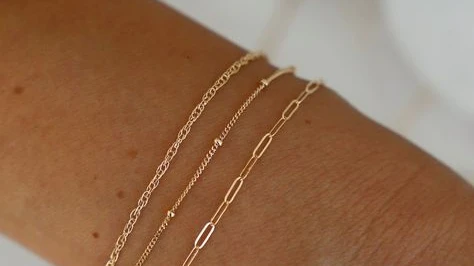
Permanent jewelry has surged in popularity in recent years, blending timeless elegance with a commitment to long-lasting wear.
Permanent jewelry has surged in popularity in recent years, blending timeless elegance with a commitment to long-lasting wear. Unlike traditional jewelry, which can be removed at will, permanent jewelry is designed to be worn continuously, making the choice of material critical.
The right metal ensures durability, comfort, hypoallergenic properties, and aesthetic appeal. In this article, we’ll explore the top materials used in jewelry and the benefits each brings to the table.
1. Gold
Overview
Gold has been the hallmark of luxury and jewelry for centuries. Its natural luster, corrosion resistance, and malleability make it ideal for permanent pieces, from delicate bracelets to statement necklaces.
Types of Gold in Jewelry
- Yellow Gold: Classic and timeless, yellow gold maintains its warm hue and natural shine.
- White Gold: Mixed with metals like palladium or nickel and often plated with rhodium, white gold offers a silvery finish that mimics platinum.
- Rose Gold: Achieved by blending gold with copper, rose gold provides a romantic pinkish tint.
Benefits
- Durability: Gold is highly resistant to tarnish and corrosion, making it suitable for permanent wear.
- Hypoallergenic Options: Especially high-karat gold (18K or 24K) is less likely to cause skin reactions.
- Timeless Aesthetic: Gold complements virtually every skin tone and fashion style.
- Value Retention: Gold maintains its value over time, making permanent pieces not just jewelry but also investments.
2. Platinum
Overview
Platinum is a rare and premium metal often reserved for fine jewelry. Its naturally white color, density, and hypoallergenic properties make it ideal for permanent pieces that are intended to last a lifetime.
Benefits
- Exceptional Durability: Platinum is one of the strongest metals used in jewelry, resistant to scratches and deformation.
- Hypoallergenic: Platinum rarely causes allergic reactions, making it perfect for sensitive skin.
- Low Maintenance: Unlike white gold, it doesn’t require rhodium plating to maintain its color.
- Luxury Appeal: Its natural sheen and rarity give platinum jewelry an unmistakable aura of sophistication.
3. Sterling Silver
Overview
Sterling silver is an alloy of 92.5% silver and 7.5% other metals, usually copper. Known for its bright shine and affordability, sterling silver is a popular choice for both casual and fine permanent jewelry.
Benefits
- Affordability: Compared to gold and platinum, sterling silver is cost-effective, allowing for larger or more intricate designs.
- Malleability: Silver is easy to work with, which enables delicate chain designs for permanent bracelets and necklaces.
- Classic Appearance: Its bright, reflective surface complements a wide range of gemstones and outfits.
- Hypoallergenic Potential: High-quality sterling silver is generally safe for sensitive skin, though some individuals may react to the alloyed metals.
4. Stainless Steel
Overview
Stainless steel is increasingly popular in modern jewelry due to its strength, affordability, and low maintenance. Often overlooked, it’s an excellent option for jewelry, especially for everyday wear and active lifestyles.
Benefits
- Extreme Durability: Stainless steel resists scratches, corrosion, and bending, making it ideal for jewelry meant to be worn 24/7.
- Hypoallergenic Options: Many stainless steel alloys are nickel-free, reducing the risk of allergic reactions.
- Minimal Maintenance: It retains its shine without frequent polishing or plating.
- Cost-Effective: Compared to precious metals, stainless steel provides a similar aesthetic at a fraction of the cost.
- Versatility: Its sleek, modern appearance works well for minimalist, unisex, and contemporary designs.
5. Titanium
Overview
Titanium is a lightweight, ultra-strong metal increasingly used in permanent jewelry. Its durability and biocompatibility make it suitable for people with highly sensitive skin or active lifestyles.
Benefits
- Unmatched Strength-to-Weight Ratio: Titanium is extremely strong yet lighter than many metals, ensuring comfort without sacrificing durability.
- Hypoallergenic: Titanium rarely causes skin reactions, making it ideal for sensitive individuals.
- Corrosion-Resistant: It withstands water, sweat, and chemicals, perfect for daily wear.
- Modern Aesthetic: Its sleek, greyish hue complements contemporary jewelry designs.
- Low Maintenance: Titanium maintains its appearance over time without tarnishing or scratching easily.
6. Rose and Mixed Metals
Overview
Some jewelry uses alloys or mixed metals for unique aesthetics. Rose gold, white gold, and other combinations offer color variations while retaining durability.
Benefits
- Customizable Appearance: Mixed metals allow jewelers to create unique hues and finishes tailored to personal style.
- Durability: High-quality alloys can offer the strength of stronger metals while maintaining beauty.
- Affordability Options: Alloying can reduce costs without sacrificing overall quality.
- Versatility: Mixed metals are suitable for layered looks, combining different textures and colors.
7. Gemstone Settings in Permanent
While metals form the backbone of jewelry, gemstone choices are equally important. Durable settings using diamonds, sapphires, and other hard stones ensure longevity.
Benefits
- Longevity: Hard gemstones resist scratching and maintain brilliance over time.
- Aesthetic Value: Gemstones add a personalized touch and elevate the luxury appeal.
- Symbolic Meaning: Many people choose gemstones for sentimental or symbolic reasons, adding a personal connection to jewelry.
Choosing the Right Material for Jewelry
When selecting materials for permanent jewelry, consider the following:
- Lifestyle: Active individuals may prefer titanium or stainless steel due to their durability.
- Skin Sensitivity: Hypoallergenic metals like platinum or titanium are better for sensitive skin.
- Aesthetic Preference: The color, shine, and weight of the metal should align with personal style.
- Investment Value: Precious metals like gold and platinum retain value and can serve as long-term investments.
Conclusion
Permanent jewelry is more than a fashion statement—it’s a lifelong commitment. Selecting the right material ensures your piece remains beautiful, comfortable, and durable for years to come. Gold, platinum, sterling silver, stainless steel, and titanium each offer unique advantages, from timeless elegance to unmatched strength and hypoallergenic properties. By understanding the benefits of each material, you can make an informed choice and enjoy your jewelry as both an adornment and an enduring symbol of style and commitment.


Comments
Login to Comment