Top Benefits of Using High-Quality Boiler Feed Pumps in Industry
05 Mar, 2026
5824 Views 0 Like(s)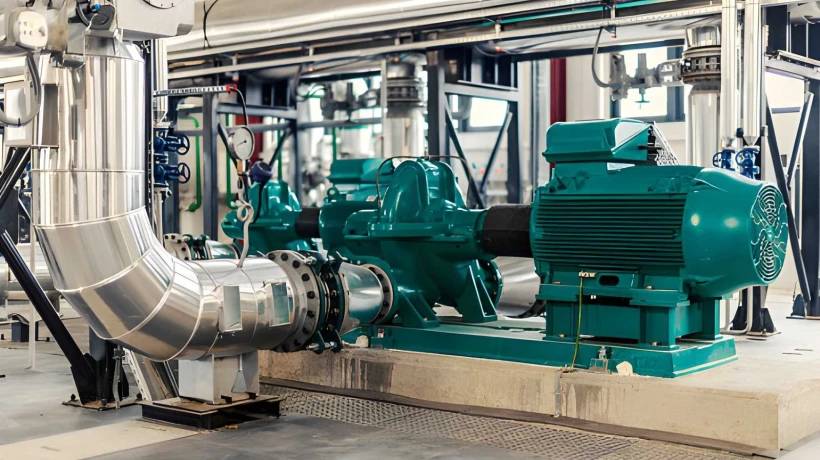
Discover the top benefits of high-quality Boiler Feed Pumps for efficiency, reliability, safety, and lower long-term costs in industrial operations.
In industrial operations, boilers are the heart of many processes. From power generation plants to chemical processing facilities, steam systems depend on one critical component: Boiler Feed Pumps.
These pumps are responsible for delivering water into the boiler at the right pressure and flow rate. If they fail, production can stop. Energy efficiency drops. Maintenance costs rise.
That is why choosing high-quality Boiler Feed Pumps is not just a technical decision. It is a business decision.
In this article, we will explore the top benefits of using premium Boiler Feed Pumps in industry, how they improve performance, and why investing in quality pays off in the long run.
What Are Boiler Feed Pumps?
Boiler Feed Pumps are high-pressure centrifugal pumps designed to supply water to industrial boilers. They operate under demanding conditions, often handling:
-
High temperatures
-
High pressures
-
Continuous duty cycles
-
Variable load conditions
Their main job is simple but critical: maintain proper water levels inside the boiler to ensure safe and efficient steam production.
Without reliable Boiler Feed Pumps, boilers cannot function safely or efficiently.
Why Quality Matters in Boiler Feed Pumps
Industrial boiler systems operate around the clock in many facilities. A low-quality pump can cause:
-
Frequent breakdowns
-
Seal and bearing failures
-
Pressure instability
-
Energy inefficiency
-
Unexpected downtime
High-quality Boiler Feed Pumps are engineered with durable materials, precision components, and advanced hydraulic design to withstand these harsh conditions.
Let’s look at the major benefits in detail.
Top Benefits of Using High-Quality Boiler Feed Pumps
1. Improved Energy Efficiency
Energy costs represent a significant portion of industrial operating expenses. Efficient Boiler Feed Pumps are designed with optimized impellers and hydraulic balancing to reduce energy loss.
High-quality pumps:
-
Minimize internal friction
-
Maintain stable flow rates
-
Operate closer to Best Efficiency Point (BEP)
-
Reduce motor load
Even a small improvement in pump efficiency can result in major annual energy savings in large facilities.
Over time, this alone can justify the higher initial investment.
2. Enhanced System Reliability
Boiler systems demand consistent water supply at high pressure. If feedwater flow drops or becomes unstable, it can cause:
-
Boiler overheating
-
Tube damage
-
Pressure fluctuations
-
Emergency shutdowns
Premium Boiler Feed Pumps are built with stronger shafts, heavy-duty bearings, and high-temperature mechanical seals. These features reduce vibration and wear.
The result is fewer unexpected failures and longer mean time between maintenance.
3. Longer Service Life
Industrial environments are harsh. High temperatures and continuous operation accelerate wear on pump components.
High-quality Boiler Feed Pumps are typically made from:
-
Stainless steel
-
Alloy steel
-
Corrosion-resistant materials
-
High-grade castings
These materials resist corrosion, cavitation, and thermal stress.
Instead of replacing pumps every few years, companies can operate quality units for decades with proper maintenance.
That translates into lower replacement costs and reduced capital expenditure over time.
4. Reduced Maintenance Costs
Cheap pumps often cost more in the long run. Frequent seal replacements, bearing failures, and shaft misalignment can drive up maintenance budgets.
High-performance Boiler Feed Pumps reduce maintenance through:
-
Precision machining
-
Better shaft alignment
-
Improved sealing systems
-
Reduced vibration
Maintenance teams spend less time troubleshooting and more time focusing on preventive maintenance.
This improves overall plant productivity.
5. Better Performance Under High Pressure
Boiler Feed Pumps operate at extremely high pressures, especially in power plants and large industrial boilers.
Low-quality pumps may struggle with:
-
Pressure instability
-
Cavitation
-
Excessive noise
-
Overheating
High-quality pumps are designed to handle demanding discharge pressures without sacrificing efficiency or reliability.
This ensures stable steam generation and smooth plant operations.
6. Increased Safety
Safety is a major concern in any industrial boiler system. Poor feedwater supply can lead to dangerous situations such as:
-
Dry firing
-
Boiler tube rupture
-
Pressure vessel damage
Reliable Boiler Feed Pumps maintain consistent water levels and pressure, reducing the risk of hazardous incidents.
When dealing with high-pressure steam systems, safety should never be compromised.
7. Improved Process Control
Modern industrial plants rely on automation and precise control systems. High-quality Boiler Feed Pumps integrate smoothly with:
-
Variable frequency drives (VFDs)
-
Pressure control systems
-
Flow monitoring systems
This allows operators to adjust flow rates based on steam demand.
The result is optimized performance, reduced energy waste, and better load management.
8. Lower Total Cost of Ownership
While premium Boiler Feed Pumps may have a higher upfront cost, they often deliver lower total cost of ownership due to:
-
Reduced downtime
-
Lower energy consumption
-
Fewer spare parts replacements
-
Extended service intervals
Over a 10- to 20-year period, the savings can be substantial.
Smart plant managers evaluate lifecycle cost rather than just purchase price.
9. Resistance to Cavitation
Cavitation is a common problem in high-pressure pump systems. It occurs when vapor bubbles form and collapse inside the pump, causing damage to impellers and casings.
High-quality Boiler Feed Pumps are designed with:
-
Proper suction head requirements
-
Advanced impeller geometry
-
Optimized flow paths
This reduces the risk of cavitation and protects internal components.
10. Compliance with Industry Standards
Reputable manufacturers design Boiler Feed Pumps to meet international standards and industrial certifications.
Using compliant equipment ensures:
-
Regulatory approval
-
Insurance compliance
-
Improved plant audit results
-
Higher resale value of equipment
For industries like power generation, petrochemicals, and manufacturing, compliance is not optional.
Industries That Rely on Boiler Feed Pumps
Boiler Feed Pumps are widely used in:
-
Power generation plants
-
Oil and gas facilities
-
Chemical processing plants
-
Food and beverage manufacturing
-
Textile industries
-
Pharmaceutical production
Any operation that relies on steam systems depends on reliable feedwater delivery.
How to Choose the Right Boiler Feed Pumps
When selecting Boiler Feed Pumps, consider:
-
Required flow rate and pressure
-
Boiler capacity
-
Operating temperature
-
Water quality and chemical composition
-
Continuous or intermittent operation
-
Energy efficiency ratings
Working with an experienced pump manufacturer or supplier helps ensure proper sizing and system compatibility.
FAQs
1. What is the main function of Boiler Feed Pumps?
Boiler Feed Pumps supply high-pressure water to boilers to maintain proper water levels and ensure safe steam generation.
2. Why are Boiler Feed Pumps high pressure?
They must overcome the internal pressure of the boiler to inject feedwater. As boiler pressure increases, pump discharge pressure must also increase.
3. What happens if a Boiler Feed Pump fails?
Pump failure can cause water level drops, boiler overheating, emergency shutdowns, and potential equipment damage.
4. How can I improve the efficiency of Boiler Feed Pumps?
Efficiency can be improved by proper sizing, operating near the best efficiency point, using variable frequency drives, and performing regular maintenance.
5. How long do industrial Boiler Feed Pumps last?
High-quality Boiler Feed Pumps can last 15 to 25 years or more with proper maintenance, depending on operating conditions and materials used.
Final Thoughts
Boiler systems are critical to industrial productivity. Choosing the right Boiler Feed Pumps directly affects energy efficiency, reliability, safety, and long-term operating costs.
While lower-priced pumps may seem attractive initially, they often result in higher maintenance expenses and unexpected downtime.
Investing in high-quality Boiler Feed Pumps ensures stable performance, improved safety, and lower total cost of ownership. For industries that depend on continuous steam generation, reliability is not optional. It is essential.
If your facility operates high-pressure boilers, upgrading to premium feed pumps could be one of the smartest investments you make.


Comments
Login to Comment