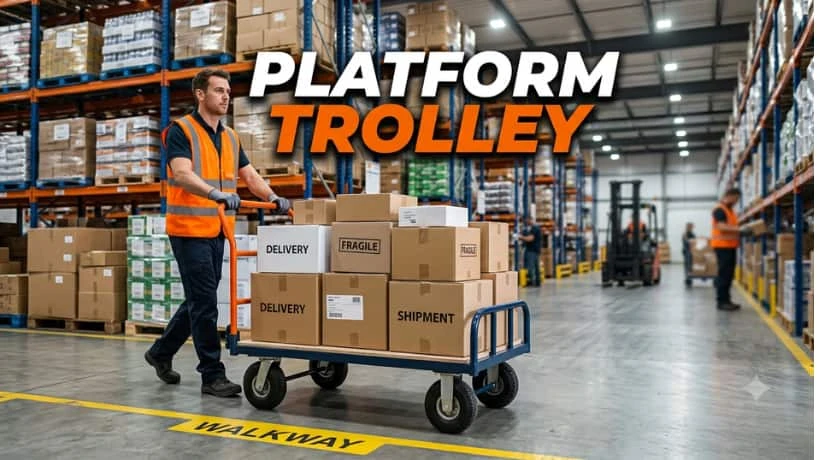
The Ultimate Guide to Choosing a Durable Platform Trolley

Moving heavy goods safely is a challenge in warehouses, factories, supermarkets, and even offices. That is why choosing the right platform trolley is important. A strong and reliable trolley helps reduce physical effort, improves workplace safety, and saves valuable time.

This guide explains everything you need to know about choosing a durable platform trolley. From understanding its features to avoiding common buying mistakes, you'll gain practical knowledge that helps you make the best decision for your business or personal needs.

What Is a Platform Trolley?

A platform trolley is a wheeled material-handling cart with a flat surface designed to transport goods from one place to another. Instead of carrying heavy loads by hand, workers can simply place items on the trolley and push or pull them safely.

Platform trolleys are commonly used in:

  • Warehouses
  • Manufacturing units
  • Retail stores
  • Hospitals
  • Hotels
  • Offices
  • Distribution centers

These trolleys are available in different sizes, load capacities, and materials. Some models have foldable handles for easy storage, while others include anti-slip platforms and heavy-duty wheels for industrial use.

The biggest advantage of using a platform trolley is that it improves productivity while reducing the risk of workplace injuries caused by manual lifting.

Why Choosing a Durable Platform Trolley Matters

A high-quality trolley is a long-term investment. Buying a durable model offers several important benefits.

1. Improved Workplace Safety

Firstly, a sturdy trolley reduces the need for workers to lift heavy items manually. This lowers the risk of back injuries, muscle strain, and accidents.

2. Longer Service Life

Durable materials such as steel or reinforced metal resist wear and tear. They can withstand daily use without bending or breaking.

3. Better Productivity

Employees spend less time moving goods when using a smooth-rolling trolley. Faster transportation means better workflow.

4. Lower Maintenance Costs

Quality trolleys require fewer repairs. Strong wheels, reliable frames, and corrosion-resistant finishes help reduce maintenance expenses.

5. Higher Load Capacity

Heavy-duty models safely carry larger loads, making them ideal for warehouses and industrial environments.

How to Choose the Best Platform Trolley

Selecting the right trolley becomes much easier when you know what to look for.

Check the Load Capacity

Start by identifying the maximum weight you need to move.

Buying a trolley with insufficient capacity can damage both the trolley and your products.

Choose a model that supports slightly more weight than your usual daily load.

Select the Right Material

The material directly affects durability.

Common options include:

  • Powder-coated steel
  • Stainless steel
  • Aluminum
  • Heavy-duty plastic

Steel models are perfect for industrial environments because they offer excellent strength and long-lasting performance.

Look at Wheel Quality

The wheels are one of the most important parts.

Choose wheels based on your working surface.

For example:

  • Rubber wheels work well on smooth floors.
  • Polyurethane wheels provide quiet movement.
  • Cast iron wheels are suitable for heavy industrial loads.

Quality wheels reduce pushing effort and increase stability.

Choose the Right Platform Size

A platform should comfortably hold your products without items hanging over the edges.

A larger platform improves efficiency by allowing workers to move multiple items in one trip.

However, avoid buying oversized models if space is limited.

Consider Handle Design

An ergonomic handle makes pushing easier and reduces hand fatigue.

Many modern trolleys include:

  • Foldable handles
  • Soft grips
  • Strong welded frames

These features improve comfort during long working hours.

Think About the Working Environment

Every workplace has different requirements.

For example:

  • Warehouses need heavy-duty steel trolleys.
  • Hospitals often prefer stainless steel because it is hygienic.
  • Retail stores benefit from compact designs that move easily through narrow aisles.

Matching the trolley to the environment improves efficiency.

Features That Indicate a High-Quality Platform Trolley

When comparing different models, look for these useful features:

  • Heavy-duty steel construction
  • Powder-coated finish
  • Anti-slip platform surface
  • Reinforced frame
  • Smooth swivel casters
  • Locking wheels
  • Foldable handle
  • Corrosion resistance
  • High weight capacity
  • Low maintenance design

Although these features may increase the purchase price slightly, they usually save money over time.

Common Mistakes to Avoid

Many buyers focus only on price. Unfortunately, this often leads to poor purchasing decisions.

Buying the Cheapest Model

Low-cost trolleys may wear out quickly and require frequent replacement.

Instead, focus on quality and long-term value.

Ignoring Weight Capacity

Always check the manufacturer's recommended load limit.

Overloading a trolley can damage the frame and create safety hazards.

Choosing Poor-Quality Wheels

Cheap wheels wear out faster and become difficult to move.

Investing in premium wheels improves performance and durability.

Forgetting Floor Conditions

Different wheels perform differently on concrete, tile, or rough warehouse floors.

Always match wheel material to your working surface.

Ignoring Maintenance

Even the best trolley requires occasional maintenance.

Regularly inspect:

  • Wheels
  • Bearings
  • Bolts
  • Handles
  • Platform surface

Simple maintenance extends the trolley's lifespan.

Where to Find More Information

If you want to learn more about material handling equipment, these trusted resources provide valuable information:

  • Occupational Safety and Health Administration (OSHA)
  • Material Handling Industry (MHI)
  • ISO Standards for Material Handling Equipment
  • Manufacturing industry publications
  • Warehouse equipment suppliers and manufacturers

You can also explore product guides from trusted manufacturers like Abazar Shelving, which offers durable storage and material handling solutions designed for warehouses, factories, retail stores, and industrial facilities.

Additionally, keep an eye on new trends such as lightweight materials, ergonomic designs, electric-assisted trolleys, and smart warehouse equipment. These innovations continue to improve workplace efficiency and employee safety.

Conclusion

Choosing the right platform trolley is about more than moving products from one place to another. A durable model improves safety, increases productivity, and saves money over time. By considering load capacity, material, wheel quality, platform size, and workplace requirements, you can confidently invest in equipment that lasts for years. If you're looking for reliable storage and material handling solutions, explore the range offered by Abazar Shelving and choose a platform trolley that matches your business needs for long-term performance and efficiency.

Frequently Asked Questions

1. What is the ideal load capacity for a platform trolley?

The ideal capacity depends on your application. Always choose a trolley that can carry more than your average daily load to improve safety and durability.

2. Which material is best for a platform trolley?

Powder-coated steel is one of the most durable choices because it offers excellent strength, corrosion resistance, and long service life.

3. How long does a quality platform trolley last?

With proper maintenance and regular inspections, a high-quality platform trolley can last for many years, even in demanding industrial environments.