The Role and Applications of Dental Periotomes in Modern Dentistry
15 Oct, 2026
10 Views 0 Like(s)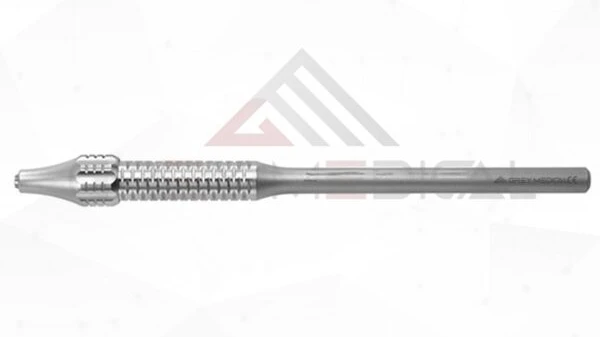
Dental Periotome (12.5cm), which is used in Dental surgery, a cutting instrument that is always recommend using the periotome only for performing delicate tissue detachments; its very thin blades are not designed to withstand stresses such as elevating and leveraging.
Modern minimally invasive dentistry relies on precision instruments designed to preserve surrounding tissues during surgical procedures. Among these tools, dental periotomes play an indispensable role in atraumatic tooth extractions, particularly when preparing sites for immediate dental implant placement. Unlike traditional extraction instruments that exert heavy lateral leverage, these dental periotomes specialized instruments are engineered to sever the periodontal ligament fibers cleanly, minimizing trauma to the alveolar bone and surrounding soft tissues.
Understanding the Structure and Function of Dental Periotomes
The design of dental periotomes features ultra-thin, sharp blades that glide smoothly into the narrow periodontal ligament space. Surgeons insert the instrument blade parallel to the long axis of the tooth root, using controlled, gentle pressure to detach the fiber attachments. This precise wedging action creates space between the root surface and the surrounding bone without causing micro-fractures to the delicate labial or buccal bone plates, ensuring the alveolar socket remains structurally intact for subsequent procedures.
Key Advantages in Implant Dentistry and Bone Preservation
Preserving the integrity of the socket architecture is critical for long-term aesthetic and functional success in implant therapy. Utilizing dental periotomes significantly reduces bone loss and tissue recession compared to conventional extraction methods that rely on heavy thumb forceps types movement. By gently loosening the tooth root within the periodontal space, clinicians can perform predictable extractions while leaving the ridge height and width intact, greatly simplifying immediate implant placement and hard tissue grafting strategies.
Choosing the Right Instrument Blade and Geometry
Clinicians select specific blade shapes and angles based on the anatomic location of the tooth being treated. Straight dental periotomes are typically preferred for anterior teeth where access is direct and straight, while angled or curved variations allow easy maneuverability around posterior roots and interdental regions. High-grade stainless steel construction ensures the tips remain exceptionally sharp, durable, and resistant to bending under gentle apical pressure during meticulous ligament detachment.
Best Practices for Clinical Maintenance and Sterilization
Maintaining the cutting edge and structural integrity of surgical instruments requires rigorous care and proper handling protocols. Dental periotomes should be inspected regularly for micro-chipping or tip deformation, as dull blades increase tissue resistance and decrease tactile control. Standard sterilization procedures, including thorough ultrasonic cleaning and autoclaving, keep these delicate tools sterile, rust-free, and safe for repetitive clinical use across various oral surgery applications.
Conclusion and Final Thoughts
In conclusion, incorporating specialized ligament-severing instruments into routine extractions is essential for preserving bone density and maximizing soft tissue outcomes. By prioritizing gentle fiber severance over aggressive force, surgical techniques become smoother, patient recovery times are shortened, and socket preservation is enhanced.
About Grey Medical
Welcome to Grey Medical, your trusted partner in premium-quality surgical instruments. With decades of experience in the medical industry, we pride ourselves on delivering precision-crafted tools designed to meet the rigorous demands of surgeons, doctors, and medical professionals worldwide. High-grade stainless steel construction ensures the tips remain exceptionally sharp, durable, and resistant to bending under gentle apical pressure during meticulous ligament detachment. By gently loosening the tooth root within the periodontal space, clinicians can perform predictable extractions while leaving the ridge height and width intact, greatly simplifying immediate implant placement and hard tissue grafting strategies.

Comments
Login to Comment