The Importance of Professional Letterheads in Corporate Branding
10 Feb, 2026
8218 Views 0 Like(s)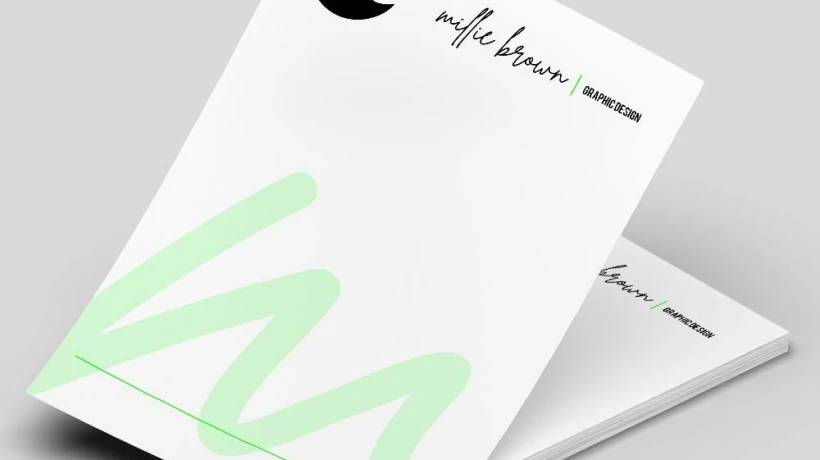
Professional branding extends beyond logos and websites. It includes every interaction a business has with its audience. Letterheads, though traditional, remain a fundamental branding asset that communicates trust, authority, and consistency.
In a competitive business landscape, every touchpoint matters. From websites and social media profiles to printed documents and invoices, each element contributes to how a company is perceived. Among these assets, letterheads remain one of the most powerful yet underestimated branding tools.
A well-designed letterhead is more than a piece of paper with a logo. It reflects authority, consistency, and professionalism. When businesses use professional business letterheads, they create a cohesive identity that reinforces credibility across all formal communications.
Why Letterheads Still Matter in the Digital Age
Despite the growth of digital communication, printed correspondence continues to play a vital role in corporate interactions. Contracts, proposals, invoices, legal notices, and official announcements are often shared in printed or PDF formats that replicate physical stationery.
Professional business letterheads serve several strategic purposes:
-
Establish authenticity and trust
-
Reinforce brand recognition
-
Demonstrate organizational stability
-
Differentiate from generic communications
-
Support formal and legal documentation
Even when sent digitally, a letter formatted with a branded header conveys more authority than a plain document.
Building Brand Identity Through Design
Corporate branding relies heavily on consistency. A cohesive visual system across marketing materials builds familiarity and trust. Your company letterhead design should align with:
-
Brand colors and typography
-
Logo placement guidelines
-
Visual hierarchy
-
Tone of communication
-
Corporate values
When these elements are consistently applied, the letterhead becomes an extension of the overall brand identity. It transforms routine communication into a branded experience.
Key Elements of an Effective Letterhead
An impactful letterhead is not cluttered. It is strategic, clean, and purposeful. The following elements define a strong design:
1. Logo Placement
Positioned at the top center or top left, the logo is the primary branding element. It must be sharp and proportionate.
2. Company Information
Include essential details such as:
-
Business name
-
Physical address
-
Phone number
-
Email
-
Website
-
Registration numbers (if required)
These details establish transparency and professionalism.
3. White Space
White space enhances readability and sophistication. Overcrowded designs appear unprofessional.
4. Typography
Choose fonts consistent with brand identity. Avoid decorative fonts that compromise clarity.
Printing Quality and Its Impact on Perception
The tactile experience of a letterhead influences how recipients perceive your business. High-quality materials suggest reliability and attention to detail.
Businesses often choose:
-
Offset printed letterheads for sharp color accuracy
-
Premium uncoated or textured paper stocks
-
Embossed or foil-stamped logos for luxury appeal
-
Gloss or matte finishes depending on brand tone
Offset printed letterheads are particularly popular for corporate use because they deliver consistent, crisp printing across large volumes. This consistency reinforces brand authority in every document.
Professionalism and Trust Building
Trust is built through consistency. When every proposal, invoice, and contract carries a cohesive header, it communicates that the company values structure and professionalism.
A well-crafted letterhead:
-
Enhances client confidence
-
Reduces doubts about legitimacy
-
Makes documents appear official
-
Strengthens negotiation power
For startups and growing businesses, polished stationery can significantly elevate perceived market position.
Legal and Formal Advantages
In many industries, official documents must reflect company identity clearly. A standardized company letterhead design helps:
-
Authenticate agreements
-
Reduce forgery risks
-
Support compliance requirements
-
Maintain documentation integrity
Branded stationery ensures that every document is traceable and aligned with corporate standards.
The Role of Personalization in Modern Branding
Businesses are increasingly adopting personalized letterhead templates to cater to different departments or executives while maintaining brand consistency.
For example:
-
Sales teams may use contact-specific templates
-
HR departments may include additional compliance details
-
Executive communication may incorporate premium finishing
Personalized letterhead templates allow flexibility without compromising corporate identity. They maintain uniform branding while supporting functional needs.
Strengthening Internal Branding
Letterheads are not only outward-facing tools. Internally, they reinforce brand culture and organizational pride. Employees who use branded stationery feel part of a structured, professional environment.
This internal consistency:
-
Encourages accountability
-
Promotes corporate pride
-
Maintains brand alignment across departments
Branding should be experienced from within before it is communicated externally.
Letterheads as a Competitive Advantage
In saturated markets, small details differentiate brands. When competitors rely on generic document formats, a polished letterhead subtly communicates superiority.
Businesses that invest in design details often experience:
-
Higher response rates to proposals
-
Increased perceived value
-
Improved brand recall
-
Stronger long-term partnerships
This is especially relevant in industries such as finance, law, consulting, and manufacturing, where professionalism directly impacts trust.
Integration with Broader Brand Assets
Letterheads are part of a larger ecosystem that includes:
-
Business cards
-
Envelopes
-
Presentation folders
-
Brochures
-
Custom product packaging
When all these materials align visually, they create a seamless brand narrative. The connection between stationery and custom product packaging further strengthens brand recognition across customer touchpoints.
Consistency across printed materials and custom product packaging ensures that the brand remains memorable, whether clients are reading a contract or unboxing a product.
Sustainability and Corporate Responsibility
Modern businesses are increasingly mindful of sustainability. Eco-friendly paper stocks and responsible printing methods reflect environmental awareness.
Sustainable practices include:
-
Recycled paper usage
-
Soy-based inks
-
Minimalistic ink coverage
-
FSC-certified paper sourcing
Responsible printing not only reduces environmental impact but also enhances brand reputation among environmentally conscious clients.
Design Mistakes to Avoid
While letterheads are powerful tools, poor execution can damage brand perception. Common mistakes include:
-
Overcrowded layouts
-
Low-resolution logos
-
Inconsistent color matching
-
Excessive decorative elements
-
Poor paper quality
A professional approach requires strategic planning and adherence to brand guidelines.
Long-Term Brand Equity
Corporate branding is built over time through repetition and consistency. Every branded document strengthens memory structures in the minds of clients and partners.
A thoughtfully designed letterhead:
-
Reinforces brand authority
-
Enhances perceived reliability
-
Supports professional communication
-
Contributes to long-term brand equity
When integrated with other branded materials such as custom product packaging, businesses create a holistic identity that resonates across multiple channels.
Conclusion
Professional branding extends beyond logos and websites. It includes every interaction a business has with its audience. Letterheads, though traditional, remain a fundamental branding asset that communicates trust, authority, and consistency.
By investing in thoughtful company letterhead design, leveraging offset printed letterheads for superior quality, and utilizing personalized letterhead templates for flexibility, businesses strengthen their corporate image.
In an era where perception drives decisions, refined stationery is not a minor detail—it is a strategic branding tool that influences how a company is remembered and respected.



Comments
Login to Comment