The Hidden Signs of Termite Infestation Only Professionals Notice
29 Apr, 2026
1909 Views 0 Like(s)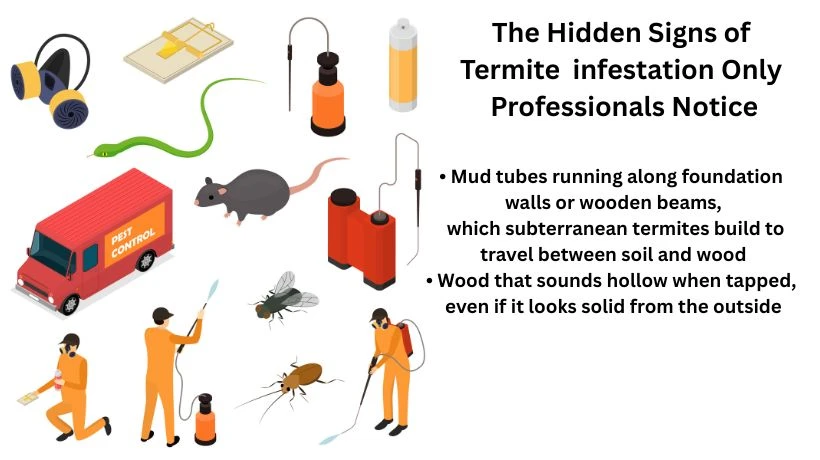
Termites cause massive property damage every year, and most homeowners don't even know they have an infestation until serious structural damage has already happened. That's the scary part. These insects work silently, deep inside walls, floors, and wooden beams, long before any obvious signs show up on the surface.
Most people only notice a problem when a door suddenly won't close properly, or a floor starts feeling soft underfoot. A professional Drywood Termite Treatment California inspection can catch what the untrained eye completely misses.
What Makes Termite Detection So Difficult
Termites are not like ants or cockroaches. You don't just spot them crawling across your kitchen counter. They spend most of their lives hidden inside wood, eating it from the inside out. The outside can look perfectly fine while the inside is hollowed. This is exactly why homeowners often mistake termite damage for normal settling or aging of the house.
In addition, different termite species leave behind different clues, and knowing which clue belongs to which species takes real training and experience.
The Subtle Sound Inside Your Walls
One of the first things a trained professional does is listen. Termites, especially soldier termites, bang their heads against wood to signal danger to the colony. This creates a faint, dry rattling sound inside the walls.
Most homeowners never hear it because they're not listening for it, and it doesn't happen continuously. A professional taps along walls and wooden surfaces in a specific pattern and listens carefully for hollow sounds or that faint clicking. This technique alone can pinpoint active colonies that no visual inspection would catch.
Frass: The Clue That Looks Like Sawdust
Drywood termites push their droppings out of tiny holes in wood. These droppings, called frass, look almost exactly like fine sawdust or coffee grounds. Homeowners often sweep it up, thinking it's just dust or debris from a nearby shelf.
Professionals know to look for small, six-sided pellets that pile up near wooden furniture, window frames, or baseboards. The shape of the pellet is a clear identifier under a magnifying glass. Finding frass is one of the strongest early indicators that Drywood Termite Treatment in California is needed right away.
Paint and Surface Changes That Aren't What They Seem
Bubbling or peeling paint is usually blamed on moisture or poor application. A professional, on the other hand, knows that termites produce moisture as they tunnel through wood. This moisture pushes paint and surface coatings from the inside. The key difference is location. If the bubbling appears in a spot that doesn't get wet and isn't near a plumbing source, that's a red flag.
In addition, professionals look for tiny, pinhole-sized exit points in drywall or painted wood surfaces. These are kick-out holes termites use to push out frass, and they're easy to miss if you don't know what to look for.
What Professionals Find in the Crawl Space and Attic
Most homeowners rarely check their crawl spaces or attics. Professionals always do, and for good reason. These areas are where termite activity is often most advanced. A trained inspector looks for:
Mud tubes running along foundation walls or wooden beams, which subterranean termites build to travel between soil and wood
Wood that sounds hollow when tapped, even if it looks solid from the outside
Blistered or darkened wood grain that signals internal moisture from termite activity
Discarded wings near vents or window sills, left behind after termite swarmers mate and settle in
These signs rarely appear in living spaces first. The damage usually starts in hidden, low-traffic areas and works its way inward.
The Floor and Door Frame Test
A sagging floor or a door that suddenly sticks is easy to blame on humidity or the house settling over time. Professionals use this as a starting point, not an ending point. They carefully probe floor joists and door frames with a sharp tool to detect soft spots or hollow areas within the wood.
Healthy wood resists the probe firmly. Termite-damaged wood gives way easily, sometimes crumbling with very little pressure. This simple but targeted test tells a professional a lot more than a surface look ever could.
Swarm Patterns and Wing Evidence
Termite swarmers, the reproductive members of a colony, fly out in large numbers to start new colonies. They shed their wings almost immediately after landing. Finding a small pile of tiny, equal-sized wings near a windowsill, door frame, or light fixture is a strong sign that a swarm happened recently nearby.
Most homeowners mistake these wings for insect debris or don't notice them at all. A professional identifies the wing shape and size to confirm the termite species involved. This matters because different species need different treatment approaches.
Why Timing and Training Make All the Difference
A termite colony can take years to cause visible structural damage, but that doesn't mean early detection is impossible. Professionals know where to look, what tools to use, and how to read the subtle patterns that termites leave behind.
A pest inspector in Cupertino brings not just experience but also specialized equipment like moisture meters and infrared cameras that reveal temperature differences inside walls where termite activity creates warmth. These tools give inspectors a look inside your walls without tearing anything open.
Stop Paying for Repairs When You Could Have Caught It Earlier
The longer termites go undetected, the more expensive the fix becomes. Structural repairs can run into tens of thousands of dollars, all for damage that could have been caught in its early stages. Getting your home inspected by a qualified pest inspector in Cupertino gives you a clear picture of what's actually happening inside your walls, floors, and attic. Keep in mind that an early inspection costs far less than a late repair.



Comments
Login to Comment