The Future of Waste Management: Emerging Trends Shaping a Sustainable World
04 Feb, 2026
8601 Views 0 Like(s)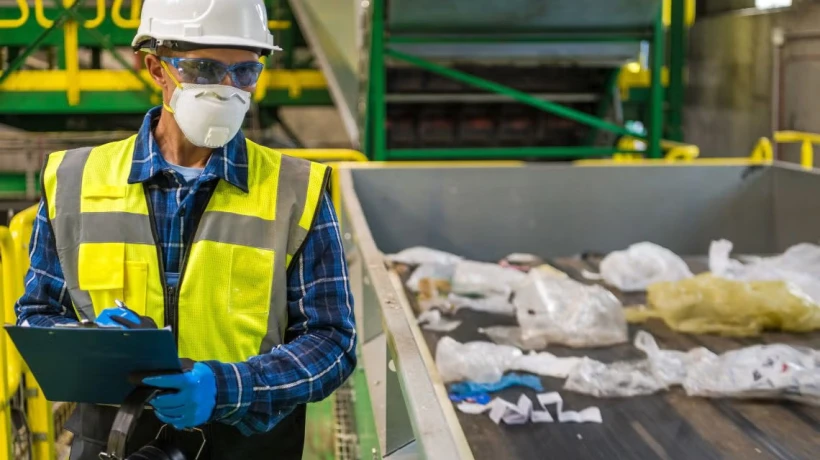
The rapid pace of urbanization and industrial growth has led to an unprecedented rise in waste generation.
Introduction: Rethinking Waste in a Resource-Constrained World
The rapid pace of urbanization and industrial growth has led to an unprecedented rise in waste generation. From households to industries, every sector contributes to the growing global waste crisis. According to the World Bank’s What a Waste 2.0 report, the world generates over 2 billion tons of municipal solid waste annually, and this figure is expected to increase by 70% by 2050. As environmental awareness rises and global sustainability targets tighten, countries are re-evaluating how they manage, recycle, and repurpose waste.
In this dynamic landscape, waste management trends are undergoing a transformative shift-driven by technology, policy reforms, and circular economy principles. The focus is no longer just on waste disposal but on value recovery, resource efficiency, and climate resilience.
This article delves into the key trends in solid waste management, exploring how governments, corporations, and consumers are collectively reshaping the future of sustainability.
1. The Shift from Linear to Circular Economy Models
For decades, waste management operated on a linear model - produce, consume, and discard. However, this model is increasingly being replaced by a circular economy framework, where waste is treated as a valuable resource rather than an end product.
The circular approach aims to “close the loop” by designing products for durability, repairability, and recyclability. Countries like Japan and the Netherlands have taken the lead, embedding circularity into national policies. Corporations, too, are innovating through take-back programs, biodegradable packaging, and industrial symbiosis models that reuse waste as raw material for other industries.
The result is not just environmental conservation but also economic efficiency. The Ellen MacArthur Foundation estimates that circular economy practices could unlock USD 4.5 trillion in economic growth by 2030. This is one of the most powerful waste management trends that will continue to redefine global sustainability strategies.
2. Smart Waste Management through Digital Technologies
The integration of digital technologies into waste management systems marks a major leap forward. The use of sensors, Internet of Things (IoT) devices, and data analytics enables real-time monitoring of waste collection and segregation. Smart bins equipped with fill-level sensors, GPS-enabled waste trucks, and AI-powered route optimization systems are transforming municipal waste operations.
For instance, cities like Singapore and Seoul are implementing “Smart Waste Systems” to predict collection needs and reduce unnecessary trips, cutting both costs and carbon emissions. Machine learning algorithms are being used to automate waste sorting at recycling facilities, improving efficiency and reducing contamination rates.
Furthermore, blockchain is emerging as a game-changer by ensuring transparency and traceability across recycling supply chains. From tracking e-waste to monitoring plastic recycling credits, blockchain-based platforms enhance accountability and trust in waste management ecosystems.
These digital innovations are not just modern conveniences-they are essential enablers of the next generation of trends in solid waste management.
3. Extended Producer Responsibility (EPR) and Corporate Accountability
One of the most impactful policy tools reshaping global waste management is the Extended Producer Responsibility (EPR) framework. Under EPR, producers are held responsible for the end-of-life management of their products, including collection, recycling, and safe disposal.
Countries like India, Germany, and Canada have implemented EPR guidelines across multiple sectors such as plastics, electronics, and packaging. The idea is to push manufacturers to design more sustainable products and reduce overall waste generation.
Corporates are increasingly aligning with EPR regulations not just for compliance but also to enhance brand reputation. Companies like Unilever, Nestlé, and Dell have launched major recycling and take-back initiatives, aiming for net-zero waste operations by 2030.
This shift signifies a deeper cultural and operational change - from reactive waste disposal to proactive waste prevention - reinforcing the long-term trajectory of waste management trends worldwide.
4. Rise of Waste-to-Energy (WTE) Solutions
As landfill space becomes scarce and energy demand rises, Waste-to-Energy (WTE) technologies are emerging as a viable dual-solution strategy. WTE involves converting non-recyclable waste into usable forms of energy such as electricity, heat, or biofuel through processes like incineration, pyrolysis, and anaerobic digestion.
Countries like Sweden and Denmark are leading the world in WTE adoption, converting up to 50% of their waste into energy. In India, the government’s “Swachh Bharat Mission” and “Waste to Wealth” initiatives are promoting WTE plants across major cities.
While critics raise concerns about emissions and costs, advancements in clean combustion and emission control technologies have significantly mitigated environmental risks. The ability of WTE plants to divert waste from landfills while generating renewable energy makes them a critical component of modern trends in solid waste management.
5. Decentralized and Community-Led Waste Management Systems
A growing number of cities are recognizing the importance of decentralization in achieving efficient waste management. Instead of relying solely on large centralized facilities, decentralized waste management encourages local processing, composting, and recycling at the community level.
This approach not only reduces transportation costs and emissions but also fosters community participation and job creation. For example, in Pune, India, the SWaCH cooperative - a self-owned waste-picker organization - manages door-to-door waste collection and segregation, empowering marginalized workers while promoting sustainability.
Similarly, rural areas are adopting bio-composting pits and biogas digesters, creating localized energy solutions from organic waste. Such models represent a socially inclusive and environmentally resilient future for waste management trends in developing countries.
6. Focus on Plastic Waste Reduction and Recycling Innovation
Plastic pollution remains one of the most pressing environmental challenges of our time. According to UNEP, the world produces over 430 million tonnes of plastic annually, two-thirds of which quickly becomes waste. The latest trends in solid waste management revolve around innovation in plastic recycling and substitution.
Chemical recycling - which breaks plastics down to their molecular components for reuse - is emerging as a breakthrough technology. Startups and large corporations alike are investing in chemical depolymerization to recover high-value materials that traditional recycling cannot handle.
Meanwhile, biodegradable and compostable materials are entering the mainstream, offering viable alternatives for packaging and single-use products. Governments are supporting this shift through plastic bans, incentives for eco-design, and public awareness campaigns promoting waste segregation.
As consumers become more conscious, brand loyalty is increasingly tied to environmental responsibility - pushing companies to redesign supply chains around recyclability and reusability.
7. Integration of Artificial Intelligence and Robotics in Recycling
Automation is revolutionizing the recycling industry. AI and robotics are enhancing the accuracy and speed of waste sorting, reducing human exposure to hazardous materials, and increasing overall recovery rates.
Robotic arms equipped with computer vision systems can now identify, pick, and separate recyclables from waste streams in milliseconds. AI-powered software continuously learns from new data to improve classification of materials such as PET, HDPE, paper, and metals.
In Europe and the U.S., AI-enabled Material Recovery Facilities (MRFs) are becoming the new standard. These innovations reduce contamination levels, increase throughput, and enable more precise segregation - aligning with the overarching digital waste management trends across the sector.
8. Biotechnological Advancements and Sustainable Landfill Practices
Biotechnology is playing an increasingly vital role in waste decomposition and treatment. Innovations such as microbial enzymes and bio-catalysts are being used to accelerate organic waste degradation and improve landfill gas recovery.
New bio-engineered bacteria can even break down plastics and hazardous compounds that were once considered non-biodegradable. Research initiatives are exploring how genetically modified microorganisms can convert waste into biofuels and compost at scale.
At the same time, modern landfills are evolving into “bioreactor landfills,” designed to optimize waste decomposition and methane capture. These facilities convert captured gases into electricity or compressed natural gas (CNG), reducing emissions and improving energy efficiency.
Such scientific breakthroughs exemplify the convergence of biotechnology and engineering in redefining trends in solid waste management globally.
9. Policy Reforms and Global Collaboration on Waste Management
Effective waste management cannot succeed without robust governance and cross-border collaboration. International frameworks such as the Basel Convention regulate transboundary movement of hazardous waste, ensuring responsible handling and disposal.
Countries are also introducing stricter domestic laws to improve compliance and accountability. India’s Solid Waste Management Rules 2016 and its subsequent amendments set a precedent for segregation at source, bulk waste generator responsibilities, and EPR integration. The European Union’s Green Deal and Waste Framework Directive set ambitious recycling targets and promote producer responsibility.
Global initiatives such as the United Nations’ Sustainable Development Goal 12 - focusing on responsible consumption and production - are encouraging nations to align waste management practices with climate goals. The synergy of policies, technology, and community engagement will define the future trajectory of waste management trends in the coming decades.
10. The Path Forward: Toward a Zero-Waste Future
The global vision for waste management is increasingly converging toward one goal - Zero Waste. This philosophy promotes systemic redesign to eliminate waste generation altogether, emphasizing sustainable production and consumption patterns.
Cities like San Francisco and Kamikatsu (Japan) are already close to achieving zero-waste targets through rigorous segregation, reuse, and recycling programs. The private sector, too, is aligning its operations with zero-waste goals to reduce environmental footprints and enhance ESG (Environmental, Social, and Governance) performance.
However, achieving a zero-waste society requires collaboration at every level - from policymakers and businesses to households. It calls for reimagining waste not as a problem but as a resource that can be transformed into new economic and environmental opportunities.
Conclusion: Turning Waste into Wealth
The evolution of waste management trends is a testament to humanity’s ability to adapt and innovate in the face of environmental challenges. From digital waste tracking and EPR mandates to bio-based recycling and waste-to-energy technologies, the future of waste management lies in integration, innovation, and inclusivity.
As we advance toward a more circular, data-driven, and sustainable model, the key will be collaboration - between governments, businesses, and communities. Every ton of waste diverted from landfills is a step toward conserving our planet’s finite resources.
Ultimately, the future of trends in solid waste management will be defined by how effectively we transform waste systems into engines of sustainability - turning the linear “throwaway” culture into a regenerative cycle of resource renewal.


Comments
Login to Comment