The Benefits of an HRV Heat Recovery Ventilator for Your Home
26 Mar, 2026
3926 Views 0 Like(s)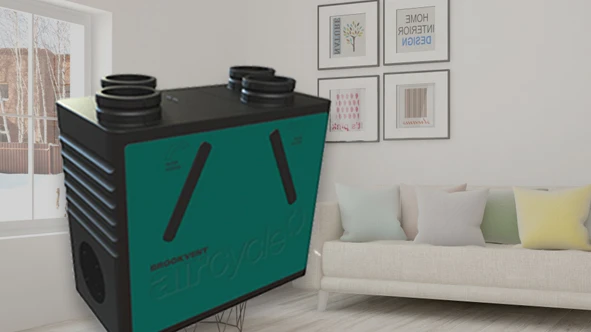
Imagine walking into your home and being greeted by fresh, clean air that feels revitalizing rather than stuffy or stale. The secret to this refreshing atmosphere?
Imagine walking into your home and being greeted by fresh, clean air that feels revitalizing rather than stuffy or stale. The secret to this refreshing atmosphere? A HRV heat recovery ventilator. In today’s world, where indoor air quality is becoming just as crucial as outdoor conditions, investing in an HRV can transform your living space into a sanctuary of comfort and health. Join us as we dive into the essential benefits of these innovative systems—not only will you breathe easier, but you'll also discover how they can help reduce energy costs, improve overall wellness, and create an environment where everyone can thrive.
How Does an HRV Work??
A HRV (Heat-Recovery Ventilator) is a type of mechanical ventilation system that helps to improve the air quality in your home. It works by bringing fresh, filtered air into your living space while simultaneously removing stale, contaminated air. This process not only improves indoor air quality but also helps to regulate temperature and humidity levels in your home.
So how exactly does an HRV work? Let's break it down step by step.
Fresh Air Intake: The first stage of the HRV process is the intake of fresh, filtered air from outside. This is typically done through an external vent or duct that leads into the HRV unit.
Heat Exchange: As the fresh air enters the HRV unit, it passes through a heat-exchange core which is designed to transfer heat from the outgoing stale air to the incoming fresh air. This means that during colder months, when you want to keep warm air inside your home, the heat exchanger will recover and transfer some of that warmth to the incoming cold air.
Contaminant Removal: Once inside the HRV unit, any pollutants or contaminants present in the incoming air are removed through a series of filters. These filters are designed to capture dust particles, allergens, and other impurities before they can enter your living space.
Distribution System: After going through filtration and heat exchange processes, the now clean and preheated (or cooled) fresh air is then distributed throughout your home via a network of ducts or vents.
Stale Air Exhaust: The final stage of a HRV's operation involves expelling stale indoor air out through another set of ducts or vents connected to an exterior wall or roof vent. By exhausting this polluted indoor air outside, you are preventing it from being recirculated back into your living space.
The continuous cycle of bringing in fresh outdoor air while expelling contaminated indoor air helps to maintain a healthy and comfortable environment in your home. This is especially beneficial for those who suffer from allergies or respiratory issues, as well as for households with pets or smokers.
It's important to note that HRVs do not replace the need for proper ventilation, such as opening windows and doors when weather permits. However, they do supplement and enhance the air quality in your home by providing a continuous supply of fresh, filtered air.
The Benefits of Using a HRV in Your Home
Improved Indoor Air Quality
Indoor air quality often goes unnoticed, yet it plays a crucial role in our health and well-being. Poor ventilation can lead to the accumulation of pollutants, allergens, and moisture. This can trigger allergies or respiratory issues over time. A HRV system actively exchanges stale indoor air with fresh outdoor air while conserving energy. It effectively reduces dust, pollen, pet dander, and other harmful particles from circulating in your home.
By maintaining optimal humidity levels, these systems prevent mold growth too. Clean air means healthier living spaces for you and your family. With better airflow comes improved comfort as well. You’ll notice less stuffiness during peak seasons when windows are typically closed. Investing in a HRV ensures that each breath you take is cleaner and fresher—an essential step towards creating a healthy home environment.
Increased Energy Efficiency
A HRV system is designed to optimize energy use in your home. By transferring heat from outgoing stale air to incoming fresh air, it reduces the need for excessive heating or cooling. This means that during winter months, you can enjoy warm indoor air without cranking up the thermostat. In summer, it helps maintain a comfortable temperature while minimizing reliance on air conditioning.
The result? A noticeable decrease in energy consumption and lower utility bills. You save money while keeping your home cozy all year round. Moreover, because HRVs operate quietly and efficiently, they provide comfort without drawing attention to their presence. Embracing this technology not only benefits your wallet but also contributes to a more sustainable lifestyle by reducing greenhouse gas emissions associated with traditional heating and cooling methods.
Reduced Heating and Cooling Costs
One of the standout benefits of a heat-recovery ventilator (HRV) is its ability to significantly reduce heating and cooling costs. By efficiently exchanging stale indoor air with fresh outdoor air, an HRV minimizes the need for excessive heating or cooling.
When your home is properly ventilated, it helps maintain a consistent temperature. This means your HVAC system doesn't have to work as hard, which can lead to noticeable savings on energy bills.
Moreover, an HRV retains a portion of the heat from the outgoing air in winter months. This recovered warmth preheats incoming cold air before it enters your living spaces. The same principle applies in summer: warm, humid air gets expelled while cooler interior temperatures are preserved. Incorporating a well-designed HRV into your home creates an ideal balance between comfort and efficiency—allowing you to enjoy fresher air without breaking the bank on utility expenses.
The Importance of Using the Best Energy Recovery Ventilator
Energy recovery ventilators (ERVs) are essential for maintaining a healthy and comfortable indoor environment. They work by exchanging stale, polluted air from inside your home with fresh, clean air from outside. This not only helps to improve the overall air quality but also helps to regulate temperature and humidity levels.
However, not all ERVs are created equal. It is crucial to invest in the best energy recovery ventilator for your home to ensure maximum efficiency and effectiveness. Here's why:
Improved Indoor Air Quality
The primary purpose of an ERV is to circulate fresh air into your home while removing stale and polluted air. The energy recovery ventilators have advanced filtration systems that can capture even the smallest particles such as dust, pollen, and bacteria, thus improving indoor air quality significantly.
Better Temperature Regulation
During hot summer months or cold winter days, it can be tempting to keep windows closed and rely on artificial heating or cooling systems to maintain a comfortable temperature indoors. However, this can result in stagnant air that can lead to various health issues such as allergies and respiratory problems.
Improved Humidity Control
Excessive moisture in the house can lead to mold growth and other issues that affect both our health and structural integrity of our homes. On the other hand, low humidity levels can cause dry skin and throat irritation.
Factors to Consider When Choosing a HRV for Your Home
Choosing the right HRV for your home involves several key factors. First, assess the size of your living space. Larger homes typically require systems with higher airflow capacities. Next, consider the climate in your area. Some models are designed to perform better in extreme temperatures, ensuring efficiency year-round.
Noise levels can also be important. Look for units that operate quietly if you’re sensitive to sound during daily activities or while sleeping. Don’t overlook filter types and maintenance requirements. High-efficiency filters can improve air quality but may need more frequent replacement.
Lastly, check energy ratings. Units with high Energy Efficiency Ratio (EER) ratings tend to lower utility bills while providing optimal performance over time. Always prioritize features that align with your specific needs and lifestyle preferences when making a choice.
Installation and Maintenance Tips for Optimal Performance
Proper installation is crucial for a HRV to function efficiently. Ensure that the unit is placed in a central location within your home, allowing even air distribution. Hiring a qualified technician can make this process seamless and accurate. Routine maintenance keeps your system running smoothly. Check filters regularly and replace them every 3 to 6 months, depending on usage. A clean filter improves air quality and prolongs the life of your HRV.
Inspect ductwork for any signs of damage or leaks annually. Sealing gaps helps prevent energy loss and increases efficiency. Don’t forget about the fans! Clean them periodically to remove dust buildup that could hinder performance. Lastly, monitor humidity levels in your home. An optimal range between 30% and 50% ensures comfort while maximizing efficiency of the heat-recovery ventilator system.
Additional Features and Technologies to Enhance Your HRV's Performance
Modern HRVs come with a range of advanced features designed to optimize performance. One notable addition is the smart control system. These systems allow homeowners to monitor and adjust settings via smartphone apps, ensuring fresh air circulation even when you're away.
Another beneficial technology includes variable speed fans. Unlike standard models, these fans adapt their speed based on real-time air quality data, enhancing efficiency while maintaining comfort levels. Some units now integrate sensors that detect humidity and temperature changes. This means your HRV can automatically adjust its operation to maintain ideal indoor conditions without manual intervention.
Anti-microbial filters are also gaining popularity. They not only improve air quality by trapping dust and allergens but also enhance overall health benefits for occupants in allergy-prone households. Consider looking for models with energy recovery capabilities as well; they transfer heat between incoming and outgoing air streams, further boosting energy savings during seasonal transitions.
Conclusion
Investing in an HRV heat recovery ventilator can significantly enhance your indoor environment and overall well-being. With improved air quality, you breathe cleaner, fresher air that supports better health. The energy efficiency of HRVs translates into lower utility bills, making it an economically smart choice for homeowners. Additionally, the reduced costs associated with heating and cooling further underscore the financial benefits of this technology. Choosing the right HRV involves understanding its types and features, ensuring optimal performance through proper installation and maintenance.
FAQS
What Is A HRV Heat Recovery Ventilator?
A HRV heat-recovery ventilator, also known as an energy recovery ventilator (ERV), is a mechanical ventilation system that helps to regulate the air quality and temperature inside your home. It works by exchanging stale indoor air with fresh outdoor air, while also recovering the heat or coolness from the outgoing air and transferring it to the incoming air.
How Does A HRV Benefit My Home?
A HRV has several benefits for your home, including improving indoor air quality, reducing energy costs, and maintaining a comfortable temperature. By constantly bringing in fresh outdoor air and exhausting stale indoor air, it helps to reduce pollutants such as dust, pollen, and other irritants that can cause allergies or respiratory issues. Additionally, its ability to recover heat from outgoing air can help reduce your heating costs in the winter months.
Is A HRV Suitable For All Types Of Homes?
Yes, a HRV can be installed in any type of home - whether it's new construction or an existing house. It is particularly beneficial for newer homes which are more tightly sealed for energy efficiency purposes.
|
Related Business Listings |

Comments
Login to Comment