Terracotta Tiles: Timeless Flooring for Every Home
16 Mar, 2026
4993 Views 0 Like(s)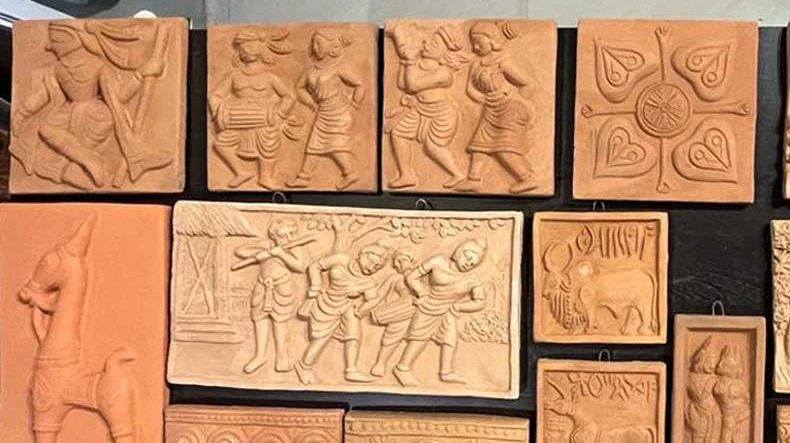
Discover why terracotta tiles are a timeless flooring choice. Learn their benefits, design ideas, installation tips, and maintenance guide for every home.
Terracotta tiles have been used for centuries, yet they remain one of the most stylish and practical flooring choices for modern homes. Known for their warm earthy tones and natural durability, terracotta tiles bring a sense of authenticity and character that few materials can match. Whether used in rustic cottages, contemporary homes, or outdoor patios, these tiles create a welcoming and timeless atmosphere.
In today’s world of fast-changing design trends, many homeowners are rediscovering the beauty of natural materials. Terracotta flooring stands out because it combines traditional craftsmanship with modern functionality. From kitchens and living rooms to garden pathways and terraces, terracotta tiles can transform ordinary spaces into visually rich environments.
This guide explains everything you need to know about terracotta tiles—from what they are and how they are made to their benefits, installation process, maintenance tips, and design inspiration.
What Are Terracotta Tiles?
Terracotta tiles are natural clay tiles that are shaped, dried, and fired in a kiln to create a strong flooring material. The term “terracotta” comes from the Italian phrase meaning “baked earth.”
In simple terms, terracotta tiles are made by baking natural clay at high temperatures. This process hardens the clay and creates a durable surface suitable for floors, walls, and outdoor areas.
How Terracotta Tiles Are Made
The production process has remained largely unchanged for hundreds of years.
First, natural clay is extracted from the earth. This clay is then cleaned and mixed with water to create a workable material.
Next, the clay is shaped into tiles using molds or traditional hand-forming techniques.
The tiles are then dried to remove moisture before being fired in a kiln at temperatures that can exceed 1000°C.
Finally, the tiles are cooled and sometimes sealed to improve durability and stain resistance.
Because they are made from natural clay, each terracotta tile has slight variations in color and texture. These subtle differences create the unique, handcrafted appearance that many homeowners love.
Why Terracotta Tiles Are a Timeless Flooring Choice
Design trends come and go, but natural materials rarely lose their appeal. Terracotta tiles have been used in architecture for thousands of years, including in ancient Mediterranean homes and Roman buildings.
The reason is simple: terracotta combines beauty, durability, and practicality.
Natural Warmth and Character
Terracotta tiles instantly make a room feel warmer and more inviting. Their earthy shades—ranging from soft orange to deep red—add visual warmth that works well with wood, stone, and neutral color palettes.
Durability That Lasts for Decades
Properly installed terracotta tiles can last for decades. Many historic buildings around the world still have original terracotta floors that are hundreds of years old.
According to architectural conservation studies and building restoration guidelines used by heritage organizations, fired clay materials are among the most durable traditional construction materials.
Versatility Across Design Styles
Terracotta tiles adapt easily to many interior styles. They can complement:
Rustic farmhouse interiors Mediterranean-style homes Modern minimalist spaces Bohemian-inspired interiors Traditional courtyards and patios
Because of their natural look, terracotta tiles work equally well in both classic and contemporary designs.
Benefits of Terracotta Tiles for Homes
Terracotta tiles offer several advantages that make them a practical flooring option for homeowners.
Eco-Friendly and Sustainable
Terracotta tiles are made from natural clay, which means they contain no synthetic chemicals. The manufacturing process uses simple natural materials and traditional techniques.
Because of this, terracotta tiles are considered an environmentally friendly flooring choice.
Many sustainable architecture experts recommend clay-based materials because they are recyclable and have a relatively low environmental impact compared to synthetic flooring options.
Excellent Temperature Regulation
Terracotta naturally regulates temperature. This makes it ideal for homes in warm climates.
The tiles absorb heat during the day and slowly release it when temperatures drop. This property helps maintain a comfortable indoor environment.
For this reason, terracotta flooring is widely used in Mediterranean and tropical architecture.
Long-Term Cost Efficiency
Although terracotta tiles may require sealing and maintenance, they are extremely long-lasting. When properly cared for, they rarely need replacement.
This durability makes them a cost-effective investment over time.
Slip Resistance
The slightly textured surface of terracotta tiles provides natural grip. This makes them safer than some polished flooring materials.
They are often used in outdoor areas such as patios and garden paths for this reason.
Unique Aesthetic Appeal
No two terracotta tiles are exactly the same. Their natural variations create a floor that feels handcrafted rather than manufactured.
This uniqueness adds personality to a space and prevents the flooring from looking uniform or artificial.
Where Can Terracotta Tiles Be Used?
One of the biggest advantages of terracotta tiles is their versatility. They can be used in both indoor and outdoor environments.
Living Rooms
Terracotta flooring creates a cozy and inviting atmosphere in living spaces. When paired with rugs and wooden furniture, the result is warm and elegant.
Kitchens
Terracotta tiles are popular in kitchens because they are durable and easy to clean when properly sealed.
They also complement farmhouse and Mediterranean-style kitchen designs beautifully.
Outdoor Patios
Terracotta tiles are a classic choice for patios, balconies, and terraces. Their earthy colors blend naturally with plants and outdoor landscapes.
Hallways and Entryways
Because of their durability, terracotta tiles work well in high-traffic areas such as hallways and entrances.
Garden Paths and Courtyards
Outdoor garden paths made with terracotta tiles create a natural transition between indoor and outdoor spaces.
Terracotta Tiles vs Other Flooring Materials
Choosing the right flooring material depends on lifestyle, climate, and design preferences. Let’s compare terracotta tiles with other common flooring options.
Terracotta Tiles vs Ceramic Tiles
Ceramic tiles are manufactured using refined clay and glazing techniques. They usually have a glossy finish and uniform appearance.
Terracotta tiles, on the other hand, are more natural and rustic. They provide warmth and character that ceramic tiles sometimes lack.
Terracotta Tiles vs Marble Flooring
Marble floors look luxurious but can be expensive and slippery. They also require regular polishing.
Terracotta tiles offer a more relaxed, earthy style and typically require less polishing maintenance.
Terracotta Tiles vs Wooden Floors
Wooden floors provide warmth but can be sensitive to moisture and temperature changes.
Terracotta tiles are more resistant to humidity and can last longer in certain climates.
How Terracotta Tiles Are Installed
Proper installation is essential for long-lasting terracotta flooring.
Step 1: Preparing the Surface
The floor surface must be clean, level, and stable before installation begins.
A cement or concrete base is usually recommended for terracotta tile flooring.
Step 2: Applying Tile Adhesive
Special tile adhesive or mortar is spread evenly across the floor using a notched trowel.
This adhesive helps secure the tiles firmly in place.
Step 3: Placing the Tiles
Tiles are carefully placed and aligned to maintain consistent spacing.
Spacers are often used to ensure uniform grout lines.
Step 4: Grouting
After the adhesive dries, grout is applied between the tiles. Grout strengthens the flooring and prevents water penetration.
Step 5: Sealing the Tiles
Terracotta tiles are porous, which means they can absorb liquids. A protective sealant is applied to prevent stains and moisture damage.
Maintenance Tips for Terracotta Tiles
With proper care, terracotta flooring can remain beautiful for decades.
Regular Cleaning
Sweep or vacuum the floor regularly to remove dust and dirt.
Use a mild cleaning solution rather than harsh chemicals.
Periodic Sealing
Because terracotta tiles are porous, sealing them is essential. Sealants create a protective layer that prevents stains and water absorption.
Many flooring experts recommend resealing every one to two years depending on usage.
Avoid Harsh Cleaners
Acidic or abrasive cleaners can damage the tile surface. Mild pH-neutral cleaners are the safest option.
Protect High-Traffic Areas
Using rugs or mats in busy areas can help reduce wear and tear.
Common Mistakes to Avoid When Using Terracotta Tiles
Even though terracotta tiles are durable, certain mistakes can reduce their lifespan.
Skipping the Sealing Process
Unsealed terracotta tiles can absorb stains quickly. Proper sealing is essential.
Incorrect Installation
Uneven surfaces or poor adhesive application can cause tiles to crack or loosen over time.
Professional installation is often recommended.
Using Harsh Cleaning Chemicals
Strong chemical cleaners may erode the protective sealant and damage the tile surface.
Design Ideas Using Terracotta Tiles
Terracotta tiles can be used creatively to enhance home interiors.
Rustic Farmhouse Style
Pair terracotta floors with exposed wooden beams and neutral walls for a cozy farmhouse feel.
Mediterranean Inspiration
Combine terracotta flooring with white walls, blue accents, and natural textures for a Mediterranean look.
Modern Minimalist Spaces
Even modern homes can benefit from terracotta flooring. Pair the tiles with simple furniture and clean lines for a balanced aesthetic.
Patterned Tile Layouts
Terracotta tiles can be arranged in creative patterns such as herringbone, diagonal, or checkerboard layouts.
These patterns add visual interest to large spaces.
Frequently Asked Questions About Terracotta Tiles
What makes terracotta tiles different from other tiles?
Terracotta tiles are made from natural clay and fired in a kiln. Their natural color and texture give them a distinctive earthy appearance.
Are terracotta tiles suitable for modern homes?
Yes. While traditionally used in rustic homes, terracotta tiles can complement modern interiors when paired with minimalist furniture and neutral color schemes.
Do terracotta tiles require sealing?
Yes. Because terracotta is porous, sealing protects the tiles from moisture and stains.
Are terracotta tiles durable?
Terracotta tiles are highly durable when properly installed and maintained. Many historic buildings still have original terracotta floors that are centuries old.
How to Choose the Right Terracotta Tiles for Your Home
Selecting the right tiles involves more than choosing a color.
Consider the tile thickness, finish, and size based on the space where they will be installed.
Larger tiles often work well in open spaces, while smaller tiles may suit compact areas or decorative layouts.
It is also important to check the tile quality and ensure it meets industry durability standards.
Consulting experienced flooring professionals can help ensure the best results.
The Future of Natural Flooring Materials
Interest in natural building materials is growing worldwide. Homeowners are increasingly choosing eco-friendly materials that offer both beauty and sustainability.
Terracotta tiles fit perfectly within this trend. Their natural composition, long lifespan, and timeless design make them a smart choice for environmentally conscious homes.
Architects and interior designers continue to incorporate terracotta into modern projects because it combines traditional craftsmanship with contemporary design needs.
Conclusion: Why Terracotta Tiles Remain a Smart Flooring Choice
Terracotta tiles are more than just a flooring material—they are a connection to centuries of architectural tradition. Their warm colors, natural texture, and long-lasting durability make them an excellent choice for homeowners seeking both beauty and practicality.
From cozy living rooms to outdoor patios, terracotta tiles create spaces that feel welcoming, authentic, and timeless. With proper installation and maintenance, these tiles can enhance a home for generations.
If you are considering a flooring upgrade, terracotta tiles offer a perfect balance of style, sustainability, and durability.
Explore our related guides and resources to discover more design ideas, installation tips, and expert advice on choosing the perfect flooring for your home.


Comments
Login to Comment