Teeth Aligners: How to Prepare for a More Comfortable Treatment Experience
02 Sep, 2026
511 Views 0 Like(s)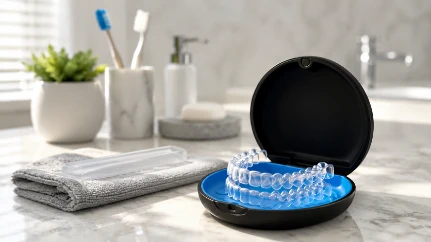
Preparing for teeth aligners can make the treatment experience smoother and more comfortable. Learn practical tips for daily care, oral hygiene, tray management, appointments, and adjusting to your new routine.
Starting orthodontic treatment can feel exciting, but it is also natural to wonder what everyday life will be like once the trays become part of your routine. Teeth aligners offer a discreet option for many people who want to improve the position of their teeth without traditional fixed braces. Their removable design can make eating and cleaning easier, but a comfortable experience still depends on preparation and consistency.
Knowing what to expect before treatment begins can remove much of the uncertainty. From your first consultation to your daily hygiene routine, small preparations can make it easier to adapt to wearing aligners and keep your treatment moving in the right direction.
Start With a Professional Consultation
Before thinking about trays, the most important preparation is finding out whether aligner treatment is appropriate for your particular situation. Teeth can appear slightly crowded or uneven while the underlying bite presents a more complicated issue.
A qualified dental or orthodontic professional can examine your teeth, gums, bite, and overall oral health. Depending on your circumstances, digital scans, photographs, or X-rays may be used to develop a clearer picture of your needs.
The consultation is also the right time to explain your expectations. If you have a specific concern, such as overlapping front teeth or spaces between teeth, mention it clearly. A detailed discussion helps the provider determine whether the proposed treatment matches your goals.
Before leaving the consultation, it can be useful to understand:
- What the treatment is intended to correct
- How frequently you will need appointments
- How long treatment may take
- What responsibilities you will have at home
- What happens if additional refinement is needed
Having these details in advance makes the transition into treatment much less confusing.
Get Your Oral Health Ready First
Comfortable orthodontic treatment starts with healthy teeth and gums. If there is untreated decay, gum inflammation, or another dental issue, it may need attention before alignment treatment begins.
This is especially important because trays sit closely against the teeth for much of the day. A clean and healthy mouth gives you a better starting point for treatment.
If you have not had a dental examination recently, consider asking whether you need one before beginning orthodontic care. Addressing small problems early is generally easier than discovering them after treatment has already started.
Understand How Teeth Aligners Feel at First
The first few days may feel different from what you are used to. A new set of trays can create pressure as it begins guiding teeth according to the treatment plan. Some people notice temporary tenderness, particularly when moving to a new stage.
That does not necessarily mean something is wrong. Orthodontic movement involves controlled pressure, so a period of adjustment can be expected.
However, severe, persistent, or unusual pain should not simply be ignored. If something feels significantly wrong, contact the professional managing your treatment.
Give Yourself an Adjustment Period
It can take a little time to become comfortable speaking, removing the trays, and remembering when they need to be worn. Instead of expecting everything to feel completely natural on the first day, allow yourself a few days to develop a routine.
Reading aloud for a few minutes at home can help you become accustomed to speaking while wearing the trays. Most people find that minor changes in speech become easier to manage as they adjust.
Build a Simple Daily Routine
One of the best ways to make treatment more comfortable is to remove unnecessary decisions from your day. Once the same steps become habitual, caring for your trays feels less like an extra task.
Try connecting your aligner routine with things you already do. For example, brushing your teeth in the morning can become the natural point at which you check and clean your trays.
A practical routine may involve:
- Keeping the storage case in an easy-to-reach place
- Carrying basic dental supplies when away from home
- Cleaning your teeth before replacing trays
- Keeping track of when your next set should be introduced
- Following the wear instructions provided by your provider
The goal is not to create a complicated system. It is to make good habits easy to repeat.
Keep Your Trays Clean
Clean aligners are more pleasant to wear and can help support good oral hygiene. Because the trays cover the teeth, putting them back over an unclean mouth can trap food debris and bacteria.
Follow the cleaning instructions provided for your specific aligners. Avoid experimenting with harsh household cleaners or very hot water, as inappropriate cleaning methods may damage or distort the material.
Your teeth also need attention every time the trays are removed for meals.
Do Not Forget Your Gums
Some patients focus almost entirely on how their teeth look while wearing aligners and forget about their gums. Healthy gums are an important part of successful orthodontic care.
Regular brushing and cleaning between the teeth can help reduce plaque buildup. If your gums become persistently swollen, sore, or prone to bleeding, mention it to your dental professional.
Prepare a Small Aligner Care Kit
A small kit can be particularly useful during workdays, school, travel, or social occasions. You do not need to carry a full bathroom with you; just keep the essentials together.
Consider having:
- A protective aligner case
- A toothbrush and toothpaste
- Floss or another recommended interdental cleaning tool
- A small bottle of water
- Any products specifically recommended by your dental professional
Having these items available means you are less likely to leave your trays sitting unprotected or skip oral hygiene simply because you are away from home.
Learn When to Remove the Trays
One advantage of clear aligners is that they can generally be removed when appropriate. This provides more flexibility around meals than many fixed orthodontic appliances.
Still, removing them should become a deliberate habit rather than something you do repeatedly throughout the day. Excessive time without the trays may interfere with the planned treatment schedule.
Follow the specific instructions given by your provider regarding eating, drinking, and wear time.
For many people, the easiest approach is to organize meals and snacks around their existing schedule rather than constantly removing and replacing the trays.
Make Eating Less Complicated
Food itself does not have to become a major source of stress during aligner treatment. The key is understanding that trays and meals generally have different places in your routine.
When it is time to eat, follow your provider's instructions about removing the trays. Afterward, clean your mouth appropriately before putting them back.
It can also help to avoid turning the day into a continuous cycle of snacking and tray removal. Besides making your routine inconvenient, frequent eating can make oral hygiene more difficult.
A more organized meal schedule can make treatment feel considerably easier.
Expect Some Pressure When Trays Change
A new tray may feel tighter than the previous one because it is designed to continue the sequence of planned tooth movements. Mild pressure or tenderness can occur during this transition.
The experience is not necessarily identical for every stage. Some trays may feel more noticeable than others depending on the movements being planned.
If an aligner feels unusually sharp, severely painful, cracked, or incorrectly fitted, do not try to force yourself through the problem. Ask your provider what to do next.
Know What an Aligner Technician Does
People researching orthodontic aligners may come across different professionals involved in producing the trays. An aligner technician can play a role in the technical side of manufacturing or preparing aligners based on approved digital treatment information.
However, patients should distinguish between technical production and clinical care. The person responsible for diagnosing your dental condition and deciding how your teeth should be moved should be an appropriately qualified dental or orthodontic professional.
Understanding these roles helps patients ask better questions about the treatment they are considering.
Make Your Treatment Schedule Easy to Follow
Remembering which tray to wear and when to change it can be challenging at first. A simple calendar reminder or treatment-tracking method can make the process easier.
You may want to record:
- The date you started each tray
- Your next scheduled change
- Upcoming appointments
- Questions you want to ask at your next visit
- Any unusual fit or comfort issues
A written record can be especially helpful when treatment continues over several months.
Take Care When You Are Away From Home
Travel does not necessarily need to interrupt orthodontic treatment. The main challenge is maintaining the same habits in unfamiliar surroundings.
Always keep your trays in their protective case when they are not being worn. Avoid placing them on restaurant tables, wrapping them casually in tissues, or leaving them in locations where they could easily be thrown away.
Before traveling, make sure you have enough supplies for the trip and understand what to do if an aligner is lost or damaged.
Deal With Small Problems Early
A minor inconvenience can become a bigger disruption if it is ignored. If a tray develops a crack, stops fitting properly, or causes unusual irritation, contact your provider rather than making your own adjustments.
Do not cut, bend, reshape, or modify the tray unless a qualified professional specifically instructs you to do so.
A treatment plan is built around specific movements, so changing the appliance yourself can interfere with that plan.
Give Yourself Time to Adapt Socially
Some people worry that other people will notice their aligners. While the trays are designed to be relatively discreet, feeling self-conscious at first is understandable.
Rather than constantly thinking about whether people can see them, focus on getting comfortable speaking and smiling naturally. As the trays become familiar, most of the attention tends to shift back to normal daily activities.
If you have an important event coming up, ask your provider in advance about how to manage your treatment around it rather than making last-minute changes yourself.
Understand the Role of an Aligner for Teeth
An aligner for teeth is not simply a cosmetic accessory. It is part of a planned orthodontic process intended to move teeth in specific directions over time.
That distinction matters because successful treatment depends on following the plan rather than wearing trays only when convenient.
Patients should also understand that visible changes may occur gradually. Early stages are about controlled movement, and the final result usually requires completing the prescribed sequence.
Stay Consistent With Professional Checkups
Even when treatment feels straightforward, professional monitoring remains important. Appointments allow your provider to evaluate progress and identify issues that may not be obvious to you.
If a tooth is not responding as expected, the treatment plan may need refinement. Regular checkups provide an opportunity to catch such situations before they become more complicated.
A good treatment experience is therefore a combination of what happens at home and what happens during professional visits.
Think About What Happens After Treatment
Preparing for treatment should include thinking beyond the final active aligner. Teeth can naturally shift after orthodontic movement, which is why retention is often an important part of maintaining the result.
Your provider can explain whether you will need retainers, how they should be used, and how long retention may be necessary.
Understanding this before starting helps set realistic expectations about the overall commitment.
When Professional Guidance Makes the Process Easier
Different patients have different dental needs, so there is no single approach that guarantees the same experience for everyone. Angel Aligner is one name patients may encounter while researching aligner treatment, but the provider's clinical assessment and supervision should remain central to the decision.
A suitable treatment plan should take your individual dental condition, goals, lifestyle, and ability to follow instructions into account.
Common Habits That Can Make Treatment Harder
Many avoidable problems come from everyday carelessness rather than the aligners themselves. Building awareness of these habits can make treatment smoother.
Try to avoid:
- Leaving trays exposed without their case
- Forgetting to clean your teeth before replacing them
- Using hot water on the aligners
- Frequently removing trays without a clear reason
- Ignoring a damaged or poorly fitting tray
- Skipping professional follow-up appointments
None of these habits is difficult to avoid once they become part of your normal routine.
How to Make Comfort a Long-Term Priority
Comfort is not only about the first week. It also means maintaining healthy habits throughout the treatment period.
Pay attention to how your trays fit, keep your mouth clean, and communicate with your provider when something changes. Small adjustments in your routine can make a significant difference over several months.
The most successful patients are usually not those who never experience inconvenience. They are the ones who know how to manage normal challenges and ask for professional help when something falls outside the expected experience.
Conclusion
A comfortable orthodontic experience starts before the first tray goes into your mouth. Getting your oral health checked, understanding your treatment plan, preparing a simple cleaning routine, and organizing your daily schedule can make the transition much easier.
Throughout treatment, consistency matters. Taking care of your teeth aligners, following professional instructions, attending checkups, and responding promptly to problems can help keep the process on track. It is also important to remember that treatment does not necessarily end with the final tray; maintaining the result may require a long-term retention routine.
With realistic expectations and a routine that fits naturally into everyday life, aligner treatment can become a manageable part of your normal schedule rather than an ongoing inconvenience.
FAQs About Teeth Aligners
How long does it take to get used to teeth aligners?
Many people need a short adjustment period to become comfortable speaking and wearing the trays. The experience varies, so give yourself time to develop a consistent routine.
Are clear aligners painful?
Some pressure or mild tenderness can occur, especially when starting a new tray. Significant or persistent pain should be discussed with your dental or orthodontic provider.
Can I eat while wearing aligners?
Aligners are generally removed for meals, but you should follow the specific instructions provided for your treatment. Clean your teeth appropriately before replacing them.
How should I clean my aligners?
Use the cleaning method recommended by your provider or aligner manufacturer. Avoid very hot water and harsh products that could damage or distort the trays.
What should I do if an aligner is lost?
Contact your provider and explain what happened. They can advise whether to use a previous tray, move to the next one, or take another appropriate step.
Do I need retainers after treatment?
Retention is commonly recommended to help maintain tooth position after active treatment. Your provider can determine the appropriate retention plan for you.



Comments
Login to Comment