Sycamore Tree Diseases
30 Mar, 2026
3524 Views 0 Like(s)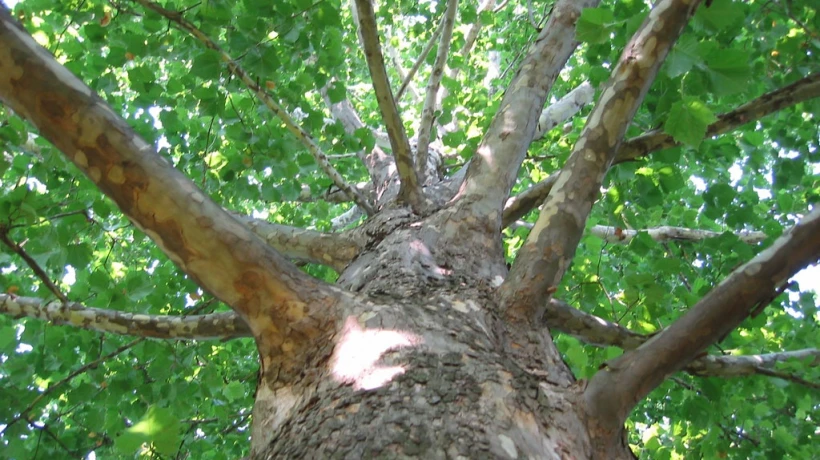
Sycamore trees are valuable additions to landscapes, offering shade, beauty, and environmental benefits.
Sycamore trees are admired for their broad canopies, distinctive bark, and resilience in various climates. However, like all trees, they are vulnerable to a range of health issues that can affect their growth and longevity. Among the most common concerns are sycamore tree diseases, which can weaken even mature trees if not properly managed.
Common Types of Sycamore Tree Diseases
Sycamore trees can suffer from several diseases, each with unique symptoms and causes. Understanding these conditions is the first step toward effective treatment and prevention.
Anthracnose
Anthracnose is one of the most widespread diseases affecting sycamore trees. It is caused by a fungal pathogen that thrives in cool and wet conditions. Symptoms include browning leaves, premature leaf drop, and twig dieback. In severe cases, the tree may appear sparse and unhealthy during the growing season.
Powdery Mildew
Powdery mildew presents as a white or gray powdery coating on leaves. While it may not always be fatal, it can reduce the tree’s ability to photosynthesize effectively. This disease tends to occur in warm and humid environments where air circulation is poor.
Bacterial Leaf Scorch
Bacterial leaf scorch is a more serious condition that affects the vascular system of the tree. It leads to leaf browning along the edges and can eventually cause branch dieback. This disease progresses slowly but can become fatal over time if left untreated.
Causes and Risk Factors
Several factors contribute to the development of diseases in sycamore trees. Environmental conditions play a significant role, especially prolonged periods of moisture or humidity. Poor soil drainage and compacted soil can also weaken a tree’s natural defenses, making it more susceptible to infection.
In addition, improper pruning techniques or physical damage to the tree can create entry points for pathogens. Trees that are already stressed due to drought, pollution, or nutrient deficiencies are at higher risk of developing diseases.
Prevention Strategies
Preventing sycamore tree diseases is often more effective than treating them after they appear. Proper care and maintenance can significantly reduce the likelihood of infection.
Maintain Tree Health
Healthy trees are more resistant to disease. Ensure that sycamores receive adequate water, especially during dry periods. Mulching around the base can help retain soil moisture and regulate temperature.
Prune Carefully
Regular pruning helps improve air circulation and removes infected or dead branches. Always use clean and sterilized tools to prevent the spread of pathogens between trees.
Monitor Environmental Conditions
Since many fungal diseases thrive in moist environments, it is important to monitor watering practices and avoid overwatering. Planting sycamores in well drained soil can also reduce the risk of disease.
Treatment Options
When a sycamore tree shows signs of disease, early intervention is crucial. The appropriate treatment depends on the specific condition affecting the tree.
Fungicide Applications
Fungicides can be effective against diseases like anthracnose and powdery mildew. These treatments are most effective when applied during the early stages of infection or as a preventive measure in high risk conditions.
Professional Care
In cases of severe infection, consulting a professional arborist is recommended. Experts can accurately diagnose the problem and recommend targeted treatments that are safe and effective.
Remove Severely Affected Areas
Pruning away heavily infected branches can help contain the spread of disease. It also encourages new and healthy growth.
Importance of Early Detection
Early detection plays a vital role in managing sycamore tree diseases. Regular inspection of leaves, branches, and bark can help identify problems before they become severe. Look for unusual discoloration, leaf drop, or signs of fungal growth.
Timely action not only saves the tree but also prevents the spread of disease to nearby plants. Maintaining a consistent care routine ensures that any issues are addressed promptly.
Conclusion
Sycamore trees are valuable additions to landscapes, offering shade, beauty, and environmental benefits. However, they require proper care to remain healthy and disease free. By understanding common diseases, recognizing early symptoms, and implementing preventive measures, tree owners can protect their sycamores for years to come. Consistent monitoring and timely intervention are key to ensuring the long term vitality of these magnificent trees.Visit the official website of gradeatree.com


Comments
Login to Comment