MBBS in Iran for Indian students has emerged as a practical and affordable pathway for aspiring doctors who want quality medical education without the extreme competition and high private college fees in India. Iran has a long academic tradition in medicine, modern hospital infrastructure, and universities recognized by global medical bodies. Over the last decade, more Indian students have begun exploring Iran as a destination because it combines strong clinical exposure, experienced faculty, and low living costs. For students seeking international education with real career value, Iran offers a balanced mix of affordability and credibility.
Why Choose Iran for MBBS?
Iran’s medical education system is government-regulated and research-focused. Universities emphasize hands-on hospital training from early years, ensuring students graduate with practical clinical confidence. Many Iranian medical universities are listed in global directories such as WHO and are accepted for licensing exams like FMGE/NExT, USMLE, and PLAB, subject to individual qualification rules.
Key advantages include:
-
Affordable tuition compared to private colleges in India
-
English-medium MBBS programs in selected universities
-
Strong clinical exposure in government hospitals
-
Safe environment and culturally welcoming society
-
Low cost of living for international students
-
Advanced research and medical technology infrastructure
Iran is known for excellence in medical sciences, pharmaceuticals, and surgical training, making it an academically serious destination.
Top Medical Universities in Iran
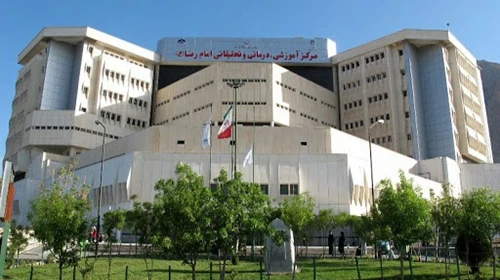
Iran hosts several prestigious medical universities that consistently rank high in Asia for healthcare education. These institutions are government-funded and attached to major teaching hospitals.
Some leading universities include:
-
Tehran University of Medical Sciences
-
Shahid Beheshti University of Medical Sciences
-
Iran University of Medical Sciences
-
Shiraz University of Medical Sciences
-
Isfahan University of Medical Sciences
-
Mashhad University of Medical Sciences
These universities are known for modern laboratories, simulation centers, and international student departments that assist with academic and residential needs.
Course Duration and Structure
The MBBS program in Iran generally lasts 6 to 7 years, including internship and clinical rotations.
Academic Phases
-
Basic Sciences (Years 1–2): Anatomy, Physiology, Biochemistry
-
Pre-Clinical (Years 3–4): Pathology, Pharmacology, Microbiology
-
Clinical Training (Years 5–6): Hospital rotations
-
Internship: Supervised medical practice
The curriculum blends theoretical knowledge with practical hospital exposure. Students interact with patients early in their training, building real-world clinical skills.
Tuition Fees and Living Costs
One of the strongest attractions of studying in Iran is affordability. Government-subsidized universities offer quality education at a fraction of Western or Indian private college costs.
Estimated Expenses
-
Tuition Fees: ₹2 – ₹4 lakhs per year
-
Hostel Accommodation: ₹50,000 – ₹80,000 per year
-
Living Expenses: ₹8,000 – ₹12,000 per month
-
Total Course Cost: ₹18 – ₹28 lakhs approx.
The cost of food, transportation, and utilities is low compared to Europe or other Asian destinations, making Iran financially accessible.
Eligibility Criteria
Indian students must meet certain academic requirements to apply:
-
Minimum 50% in Physics, Chemistry, Biology (PCB) in Class 12
-
NEET qualification (mandatory for practicing in India later)
-
Valid passport
-
Medical fitness certificate
-
Age requirement as per Indian medical council guidelines
Some universities may require entrance screening or interviews.
Admission Process
The admission procedure is relatively straightforward:
-
Choose a recognized university
-
Submit academic documents and passport
-
Receive admission letter
-
Apply for student visa
-
Pay initial tuition
-
Travel and complete enrollment
Admissions typically begin between May and September depending on the university calendar.
Hostel and Student Life
Iranian universities provide safe and structured hostel accommodation. Facilities usually include:
Indian students often find familiar food options and strong peer communities. Cities like Tehran and Shiraz are modern, student-friendly, and culturally rich.
Career Opportunities After Graduation
Graduates from Iranian universities have multiple career pathways:
-
Appear for FMGE/NExT to practice in India
-
USMLE for USA residency
-
PLAB for UK practice
-
Postgraduate specialization abroad
-
Medical research and hospital administration
Iran’s medical training is clinically strong, which helps students perform well in licensing exams with proper preparation.
Safety and Cultural Environment
Iran is considered safe for international students. Universities have dedicated international support offices that help with visa renewals, insurance, and academic guidance. The country has a rich cultural history, and students often describe locals as welcoming and respectful.
Healthcare access is modern and affordable, ensuring students’ well-being during their stay.
Final Thoughts
Studying medicine in Iran offers a rare combination of affordability, academic rigor, and global recognition. Students receive strong hospital training, access to modern facilities, and an education system rooted in research and clinical excellence. For Indian students seeking an alternative to expensive private colleges or highly competitive domestic seats, Iran stands out as a realistic and valuable option.
Choosing the right university, preparing for licensing exams early, and maintaining academic focus can turn this opportunity into a successful international medical career. If approached seriously, Iran can serve as a strong foundation for becoming a globally competent doctor.



Comments
Login to Comment